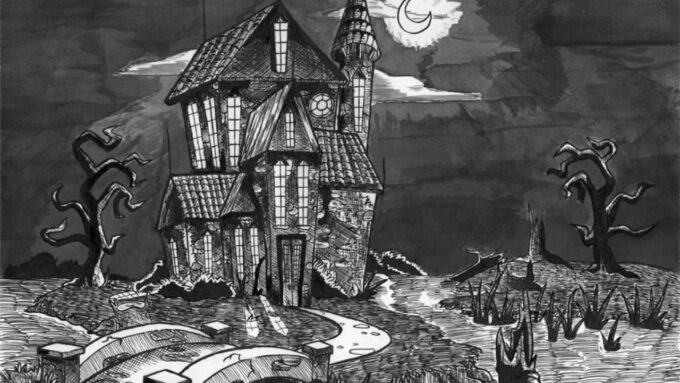


Descriptive writing is one of the most powerful tools in a writer’s arsenal, yet it remains one of the most misunderstood and underutilized techniques. The difference between flat, forgettable prose and writing that captivates readers lies in the ability to paint vivid pictures with words. Whether you’re crafting a novel, writing a short story, creating blog content, or penning poetry, mastering how to write descriptively can elevate your work from ordinary to extraordinary. This comprehensive guide will equip you with the knowledge, techniques, and practical strategies needed to transform your writing into an immersive experience that readers cannot put down.
Understanding Descriptive Writing
Before diving into techniques, it’s crucial to understand what descriptive writing truly means. Descriptive writing is more than just providing information—it’s about creating a sensory experience that allows readers to see, hear, taste, smell, and feel the world you’re creating. Rather than simply telling readers what something is, descriptive writing shows them through vivid language, sensory details, and carefully chosen imagery.
Consider the difference between these two approaches:
Telling: “The house was old and uncomfortable.”
Showing: “The floorboards creaked beneath my feet, groaning under decades of neglect. Dust particles danced in the thin stream of sunlight piercing the cracked window, and the musty smell of abandonment wrapped around me like a suffocating blanket.”
The second example transports readers into the scene. They experience the house rather than merely learning about it. This is the essence of descriptive writing.
The Foundation: Engaging All Five Senses
The most critical element of descriptive writing is engaging the reader’s five senses. Without sensory details, even the most exciting scenes can feel flat and lifeless. Your readers need to experience the world through multiple sensory channels to create a genuine connection with your writing.
Sight remains the most commonly used sense in descriptive writing, but it should never stand alone. Instead of simply stating “The garden was beautiful,” describe what readers would actually see: the roses in fiery reds and sunny yellows swaying in the breeze, the way morning dew clings to spider webs like tiny pearls.
Sound serves as the soundtrack to your narrative. Include the rustling of leaves, the distant call of birds, the crackle of a fire, or the soft hum of conversation. These auditory details make scenes come alive and anchor readers in the moment.
Smell is perhaps the most powerful sense for triggering memory and emotion. A single whiff of a familiar scent can transport your reader to another time or place. The sweet aroma of cinnamon and freshly baked bread, the earthy scent of moss after rain, or the sharp tang of ocean air can instantly enhance your descriptions.
Taste extends beyond food descriptions. Consider the bitterness of defeat, the sweetness of victory, or the metallic taste of fear. Taste details create surprising contrasts and heighten emotional moments in your writing.
Touch provides texture and tactile sensations that make scenes tangible. Describe the soft warmth of wool, the sharp bite of winter cold, the smooth surface of polished wood, or the rough grittiness of sand between fingers. Touch descriptions engage readers on a physical level.
The key is not to use all five senses in every sentence. Instead, identify which senses are most relevant to your scene and layer them strategically. A tense, frightening moment might emphasize sound and touch—the creak of a floorboard, the clammy sweat on someone’s palms—while a romantic dinner scene might highlight smell and taste—the aroma of roses, the velvety richness of wine.

Mastering Word Choice and Vocabulary
The words you choose determine whether your description sparkles or falls flat. Specificity and precision are paramount in descriptive writing. Rather than using generic adjectives, reach for words that paint exact pictures in readers’ minds.
Instead of describing something as “beautiful,” choose more specific adjectives: radiant, ethereal, haunting, or transcendent, depending on the mood you’re creating. Rather than writing “the car was expensive,” be specific: “the sleek Porsche” or “the vintage Rolls-Royce.” These specific word choices tell readers not just about the object but about the character or situation as well.
However, there’s a critical balance to strike. Overusing adjectives clutters prose and overwhelms readers. If you write “the small, tiny, diminutive house,” you’re being repetitive rather than descriptive. Select the single most powerful adjective that captures your intended meaning rather than piling on synonyms.
Strong action verbs deserve equal attention to adjectives. Instead of writing “The sun was setting,” try “The sun bled into the horizon.” Replace “She was tired” with “She yawned, rubbing her eyes.” These active verbs transform passive statements into dynamic, visual descriptions that engage readers.
Avoid overusing the verb “to be” (was, were, is, are). This stative verb construction distances readers from the action. Compare “The detective was tired” with “The detective yawned and rubbed his eyes.” The second version shows readers the character’s state through action rather than telling them about it.
Harnessing Figurative Language
Figurative language—metaphors, similes, personification, and other literary devices—elevates descriptive writing by creating unexpected connections and emotional resonance. Rather than describing something literally, figurative language invites readers to experience it from a fresh perspective.
Similes compare two things using “like” or “as”: “Her eyes were as blue as the ocean” or “The wind howled like a wounded animal.”
Metaphors make direct comparisons without using “like” or “as”: “That day was a rollercoaster of emotions” or “The city was a living, breathing organism.”
Personification gives human qualities to inanimate objects: “The grass danced in the breeze,” “The house groaned under the weight of the storm,” or “The stars whispered secrets to the night.”
Oxymorons pair opposing ideas for dramatic effect: “deafening silence,” “bittersweet joy,” or “a living death.”
The power of figurative language lies in how it forces readers to engage more actively with your description. When you write “The park was a face,” readers must contemplate how a park resembles a face—the trees become facial hair, the open spaces become features—and this interpretive work deepens their connection to your writing.
The Critical Distinction: Show, Don’t Tell
One of the most important principles in descriptive writing is the distinction between showing and telling. This concept permeates all writing advice, and for good reason.
Telling provides information directly: “Mark was nervous about waiting for the bus.”
Showing creates a scene that demonstrates the emotion: “The schedule said the bus would come by at noon, but Mark’s watch already read 11:57. He could see all the way down the road, as far as the Mall, and not see a bus. No doubt the driver was parked at the turn-around, taking a nap. Mark was going to be late. Or worse, the driver was drinking, and he’d pull up drunk.”
When you show rather than tell, readers experience the scene directly. They observe Mark’s anxiety through his fixation on the time and his spiraling thoughts. This creates a more powerful emotional impact than simply stating that he felt anxious.
To apply this principle: instead of “She was sad,” write “Her tear-streaked face looked hollow and distant, and she hugged herself as if trying to hold the pieces together.” Rather than “He felt fear,” describe the physical manifestations: “His throat went dry. His palms moistened. He wiped both hands on his pants.”

Avoiding Common Descriptive Writing Mistakes
Even experienced writers fall into common traps when attempting descriptive writing. Understanding these mistakes helps you avoid them.
Being vague undermines descriptive writing. Vague descriptions leave readers confused or uninspired. Rather than mentioning “a car” or “a building,” be specific: “a rusted pickup truck” or “a crumbling Victorian mansion.”
Not using sensory details is perhaps the most common mistake. Writers sometimes forget to engage multiple senses, relying almost exclusively on visual description. Incorporate smell, sound, taste, and touch to create fully immersive scenes.
Overloading with adjectives creates “purple prose”—writing so flowery and dense that it obscures meaning rather than clarifying it. Readers become overwhelmed and may start skimming to find the actual plot. A general rule: use adjectives sparingly but strategically. One perfect adjective beats three average ones.
Including too much description can slow pacing to a crawl and prevent readers from connecting with characters. Lengthy descriptions of every detail actually distance readers from the story. Instead, focus on the details that most vividly bring your scene to life—those rooted in contrast and emotion.
Overusing vague words like “very,” “nice,” “good,” or “beautiful” weakens descriptive writing. These words don’t paint specific pictures. Replace “very cold” with “bitter,” “nice day” with “sun-drenched,” and “beautiful” with something more evocative like “ethereal” or “radiant.”
Pacing and Descriptive Writing
Pacing directly impacts how readers experience description. Varying sentence length is a powerful tool for controlling pacing. Short, choppy sentences create tension and speed up reading, while longer, flowing sentences slow the pace and allow for deeper description.
Consider this example: During an action scene, use short, punchy sentences. “He ran. His heart pounded. The footsteps grew louder.” This rapid-fire structure propels readers forward.
In a contemplative moment, longer sentences slow the pace: “She stood at the window, watching rain trace lazy paths down the glass, thinking about everything she’d left behind and everything she might gain if she were brave enough to move forward.”
Additionally, don’t describe every detail of every scene. Strategic description—focusing on key details that advance the story and reveal character—maintains reader engagement. Descriptive writing should serve the narrative, not impede it.
Practical Exercises to Improve Descriptive Writing
Like any skill, descriptive writing improves with practice. Incorporating specific exercises into your writing routine can dramatically enhance your abilities.
The Sensory Exercise involves selecting an object and examining it through all five senses. Close your eyes and imagine exploring the object from different angles. What do you see? What sounds would it make? How does it feel, smell, and taste? This exercise trains your brain to notice sensory details.
The Winnowing Exercise starts with free-writing a description in as many words as needed. Then, rewrite it in half the words, then again in even fewer. This teaches you to identify the most powerful details while eliminating unnecessary clutter.
The No-Adjectives Exercise challenges you to describe a scene using only nouns and verbs—no adjectives at all. This forces you to rely on active verbs and specific nouns rather than piling adjectives onto generic words.
The Silent Film Exercise involves watching a scene from a film with the sound off and describing what you observe, including action, emotion, and atmosphere conveyed through body language and movement. This heightens your awareness of how much information can be conveyed through visual description and action.

Creating Mood Through Description
Descriptive writing should reflect the emotional tone and mood of your scene. Your sentence structure, word choice, and sensory details should all work together to create a cohesive atmosphere.
A mysterious, frightening scene benefits from shorter sentences, darker word choices, and descriptions emphasizing silence, shadows, and the unknown. A joyful scene employs lighter vocabulary, varied sentence lengths, and descriptions of warmth, light, and movement.
The adjectives and details you choose work together to set mood. Instead of simply writing “the forest,” describe it as a place of “twisted shadows and hidden danger” (sinister mood) or “dappled sunlight and peaceful silence” (serene mood). The specific details create the emotional experience.
Conclusion
Mastering descriptive writing transforms you from someone who relates events to someone who creates immersive experiences. By engaging all five senses, choosing words with precision, incorporating figurative language, showing rather than telling, and avoiding common pitfalls, you elevate your writing to a level that captivates and resonates with readers.
The journey to becoming a skilled descriptive writer requires deliberate practice, careful observation of the world around you, and willingness to revise and refine your work. Study how accomplished authors use description, practice the exercises outlined above, and apply these principles to your own writing. With consistent effort, your prose will transform from adequate to exceptional, giving readers the immersive, unforgettable experiences they crave. Your descriptive writing will become the difference between a story they forget and a story they never stop talking about.