The world of comics is changing—and not quietly. For decades, Marvel and DC have shaped what readers expect from storytelling: iconic heroes, endless timelines, and universes that never truly end. But in recent years, a growing number of readers have begun drifting away from that familiar structure, searching for something different—stories that evolve, conclude, and leave a lasting emotional impact. This shift isn’t about abandoning superheroes. It’s about rediscovering what makes storytelling feel meaningful again. Indie science fiction and fantasy offer that opportunity, but the transition can feel overwhelming if you’ve spent years inside the carefully managed worlds of the “Big Two.” Here’s How to Transition from Reading Marvel/DC Superheroes to Indie Sci-Fi and Fantasy and make that shift smoothly—and why it’s worth it.
Why Readers Are Moving Beyond Marvel and DC
Mainstream superhero comics operate on a simple but limiting idea: nothing can change permanently. Characters can die, worlds can collapse, and identities can shift—but eventually, everything resets. This “perpetual continuity” keeps stories accessible for new readers, but it often comes at the cost of real consequences.
That’s where indie storytelling feels refreshing.
In creator-owned sci-fi and fantasy, stories are built with an ending in mind. Characters grow older, make irreversible choices, and sometimes fail in ways that cannot be undone. The stakes feel real because they are real within the story’s world.
For many readers, this is the turning point. After years of reading events that promise everything and change nothing, indie stories offer something rare: closure.
Understanding the Core Difference: Endless Worlds vs. Complete Stories
The biggest adjustment is mental.
In Marvel and DC, you’re entering a universe that has existed for decades. Every story is part of a larger machine. Writers come and go, but the characters remain fixed in their roles.
In indie fiction, each series is its own universe. It begins, develops, and ends on its own terms.
This means:
- You don’t need prior knowledge to start
- You can follow a story from beginning to end
- What happens actually matters
It also means letting go of the idea that a character must remain unchanged. In indie stories, transformation is the whole point.
Finding Your Entry Point in the Indie World
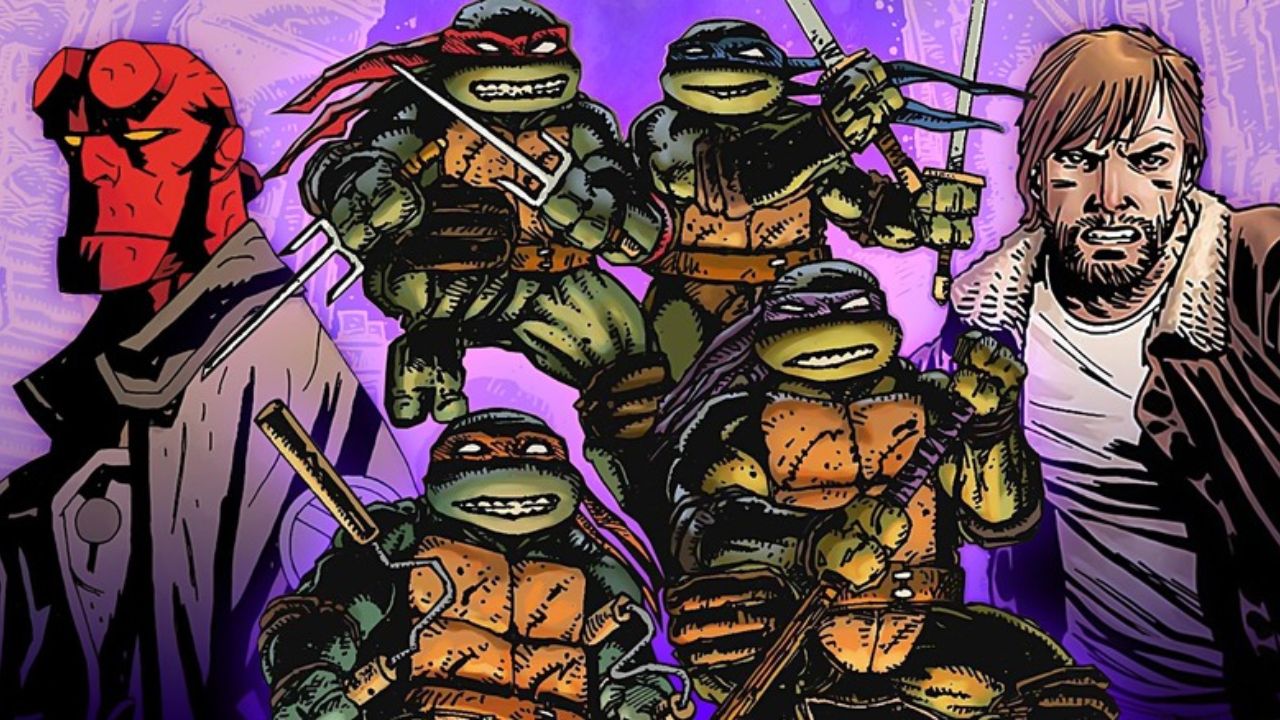
One of the biggest challenges is simply knowing where to begin. Unlike Marvel or DC, there’s no single roadmap. The indie space is wide, diverse, and sometimes chaotic—but that’s also its strength.
A helpful way to start is by identifying what you loved most about superhero stories and following that “narrative itch” into indie genres.
If You Love Batman: Try Noir and Gritty Crime
If your favorite stories revolve around Gotham’s shadows, detective work, and moral ambiguity, indie noir is your natural next step.
Series like Criminal or Kill or Be Killed strip away the superhero layer and focus on raw human conflict. There are no masks to hide behind—just flawed people making dangerous choices. The psychological depth here often goes far beyond what mainstream comics allow.
If You Love X-Men: Explore Social Sci-Fi
The X-Men have always been about being different—about fear, prejudice, and identity. Indie science fiction takes these themes and grounds them in more realistic worlds.
Stories like Brilliance or Vicious explore what it really means to have extraordinary abilities in a society that fears you. There are no grand speeches about coexistence—just tension, conflict, and difficult choices.
If You Love Green Lantern: Dive into Space Opera
If cosmic scale and alien worlds are your thing, indie space opera will feel like home.
Saga is one of the most celebrated examples, blending interstellar war with deeply personal storytelling. Unlike superhero crossovers, these stories focus less on power structures and more on relationships, survival, and the strange beauty of the universe.
If You Love Spider-Man: Look for Coming-of-Age Fantasy
Peter Parker’s appeal lies in his relatability—the balance between everyday struggles and extraordinary responsibility.
You’ll find that same emotional core in YA sci-fi and progression fantasy. Series like The Reckoners or Red Rising capture that sense of growth, pressure, and identity, but with more lasting consequences.
If You Love Thor or Wonder Woman: Try Epic Fantasy
For readers drawn to mythology, gods, and warrior codes, indie fantasy offers a deeper dive into those themes.
Books like The Sword of Kaigen or Cradle explore power, honor, and personal growth without the constraints of superhero branding. These stories feel closer to ancient myths—where actions have weight and legacies are earned.
Getting Comfortable with the Indie Ecosystem
At first, the indie landscape can feel overwhelming. There’s no single publisher dominating the space, and new titles are constantly emerging.
But over time, patterns begin to form.
- Image Comics is known for bold, creator-driven stories
- Dark Horse leans toward polished, cinematic narratives
- Boom! Studios often focuses on emotional, character-driven concepts
- IDW explores grounded and topical science fiction
Instead of following characters, start following creators. Writers and artists often carry their storytelling style across different projects, making them a reliable guide through unfamiliar territory.
Avoiding Choice Paralysis
Too many options can stop you from starting at all.
The best approach? Keep it simple.
Pick one series. Commit to it. Finish the first volume.
If you’re unsure, trust your instinct. Sometimes even a random choice is better than endless comparison. Reading is about experience, not optimization.
Digital platforms can also help. Services like GlobalComix allow you to sample multiple titles without committing to physical copies, making it easier to explore different genres.
The Emotional Shift: Learning to Value Endings
This is where the transition becomes meaningful. In superhero comics, you’re trained to expect continuation. Stories are chapters in an endless cycle. Indie fiction teaches you to appreciate endings.
A character can complete their journey. A world can change permanently. A story can say everything it needs to say—and stop.
That sense of finality creates a deeper emotional connection. When something ends, it matters more.
Why This Transition Is Worth It
Moving from Marvel and DC to indie sci-fi and fantasy isn’t about rejecting superheroes. It’s about expanding your understanding of what stories can do.
You’ll discover:
- Characters who truly evolve
- Worlds that don’t reset
- Themes that take risks
- Stories that stay with you long after they end
It’s a different kind of reading experience—one that values depth over familiarity and resolution over repetition.
Final Thoughts
The shift from mainstream superheroes to indie speculative fiction can feel like stepping into the unknown. There’s no shared universe to guide you, no decades of continuity to rely on. But that’s exactly what makes it exciting.
For the first time in a long while, every story is a beginning—and an ending. Every character has the potential to change in ways that actually matter. And once you experience that kind of storytelling, it’s hard to go back.
The journey might start with curiosity, but it often ends with something far more rewarding: a renewed love for stories that dare to finish what they start.