
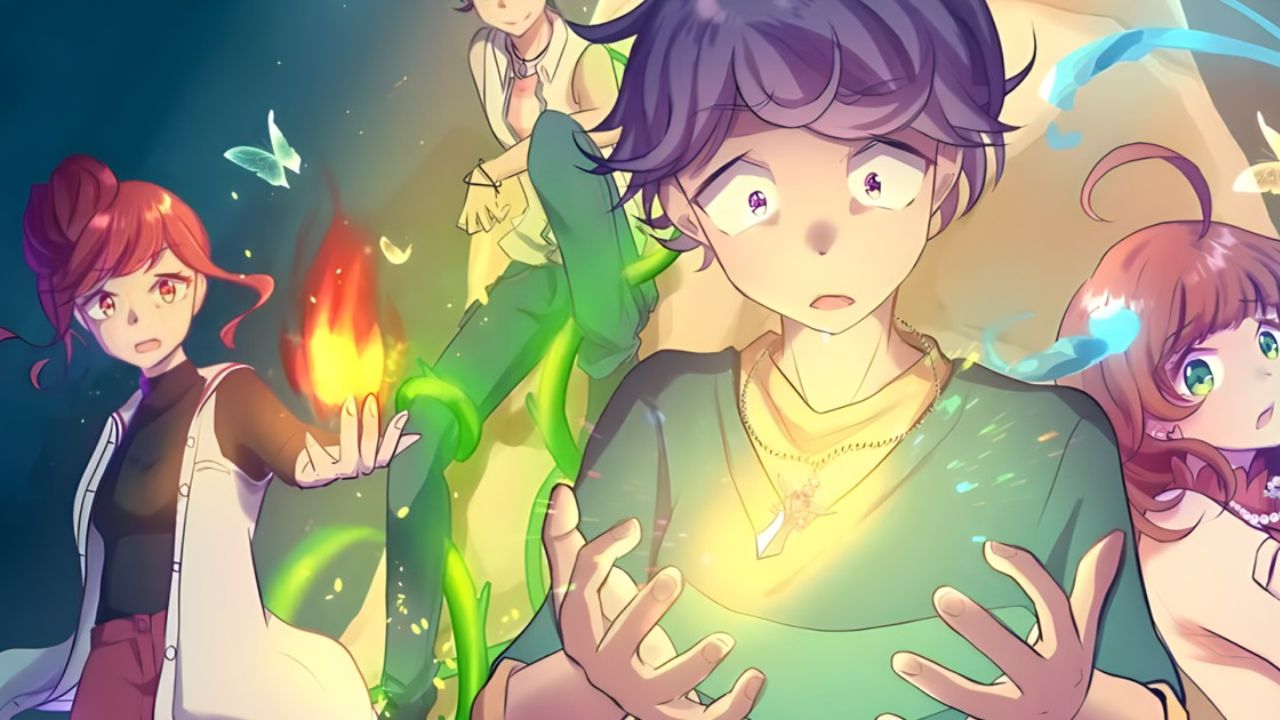
For many digital illustrators, Drawing Fanart is more than a creative exercise — it is a strategic gateway to recognition. Working with beloved intellectual properties offers instant visibility, built-in community engagement, and dependable algorithmic traction. Audiences arrive already invested in familiar characters, giving emerging artists space to refine their craft while benefiting from steady validation across social platforms. Yet the move from Fanart to webcomic, especially when it means Publishing Original Webtoons, marks a far more demanding transformation. It is not merely a stylistic shift but a professional reinvention — one that turns an illustrator into a brand builder, a storyteller, and a self-managed studio.
Making that leap requires abandoning the comfort of pre-established fandoms and embracing an entirely different creative ecosystem. The tactics that sustain single-image fanart posts rarely translate to the sustained, episodic rhythm of webtoon storytelling. Launching an original series means preparing for an initial dip in engagement, learning the visual language of the vertical scroll, streamlining production pipelines to meet weekly deadlines, and building emotional resilience against the relentless pace of serialization. In short, success depends not just on artistic skill, but on strategic discipline and long-term vision.
Navigating the Psychological Shift and the Engagement Chasm
The most immediate and startling hurdle creators face when introducing original content is not a lack of artistic capability, but a drastic decline in audience engagement. Social media algorithms are designed to prioritize searchability and established trends; a recognizable character from a popular anime will organically attract thousands of viewers, whereas an unknown original character (OC) lacks that inherent search volume.
When transitioning away from derivative works, a severe drop in likes, comments, and shares is an almost universal phenomenon. Because fanart audiences are primarily aggregated around a shared affinity for a specific franchise rather than a loyalty to the artist’s unique creative voice, many followers will simply not migrate to the new original content. This “engagement chasm” frequently triggers severe imposter syndrome, causing artists to mistakenly equate a lower metric count with a decline in their actual artistic skill.
This psychological toll is often compounded by the grueling reality of webtoon production. Transitioning from producing a single, highly polished illustration to generating dozens of comic panels on a weekly basis places immense strain on the creator. When an artist’s self-worth remains tethered to the high metrics previously achieved through fanart, the stark reality of launching an original webcomic can precipitate a classic case of content creator burnout. Creators frequently describe this phase as feeling trapped on a “hamster wheel,” where relentless creative labor yields seemingly minimal algorithmic reward, transforming a once-joyful passion into an unsustainable burden.
To survive this initial slump, industry professionals emphasize the necessity of decoupling artistic value from social media metrics. Success in original storytelling requires reframing the goal from mass, superficial appeal to cultivating a smaller, but deeply invested, core readership that is genuinely engaged with the new narrative universe.
Strategic Marketing and Audience Conversion
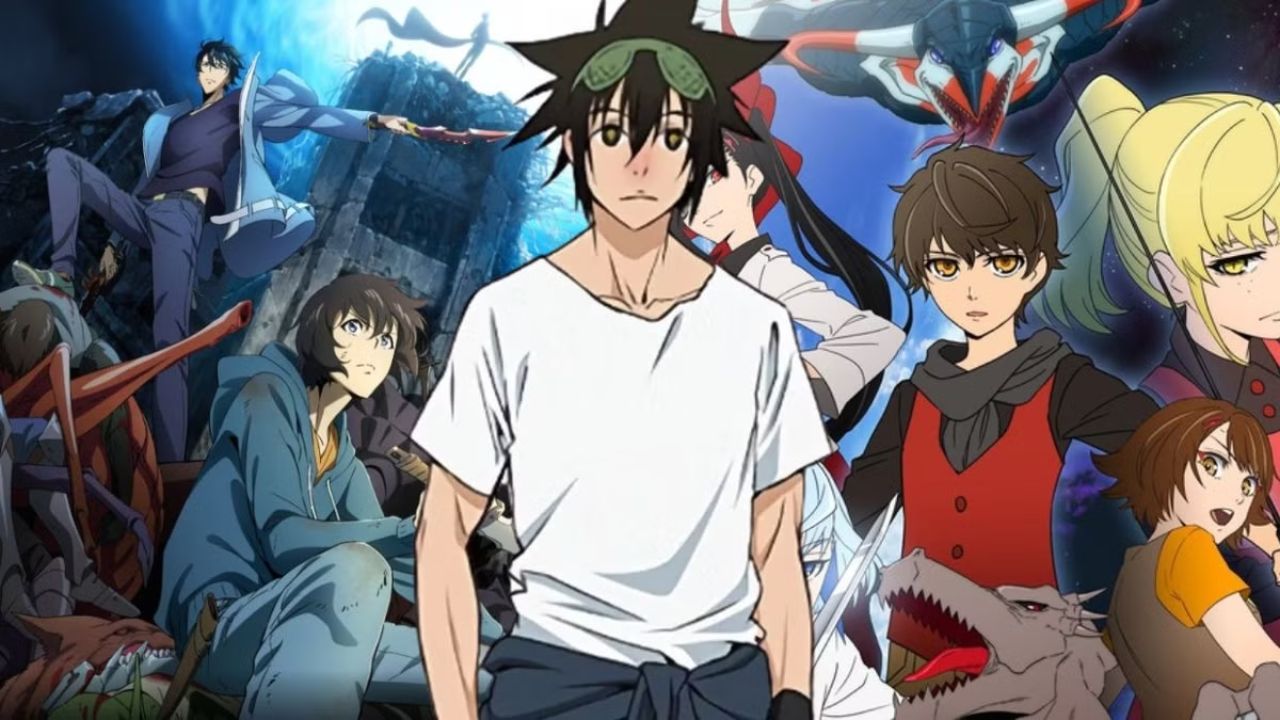
Because an existing fanart audience rarely migrates seamlessly to an original webtoon, creators must adopt proactive, multi-channel marketing strategies to bridge the gap. Operating as an independent marketing entity is essential, as the webtoon platform alone rarely provides enough organic discovery for a new series.
Static image platforms have heavily deprioritized traditional illustration posts, making short-form video the most potent engine for organic audience discovery. A single comic episode can be repurposed into multiple video formats, extending the artwork’s lifespan and reaching audiences who prefer video content over static scrolling. Effective tactics include syncing dramatic comic panels to trending audio, creating time-lapse process videos to showcase the technical creation, or producing dynamic animatics that simulate the reading experience. Furthermore, offering “virtual studio visits” or sharing the behind-the-scenes struggles of comic creation helps forge a parasocial connection between the creator and the audience, which is critical for converting casual viewers into loyal readers.
While social media provides necessary top-of-funnel awareness, algorithm volatility makes it an unstable foundation. Converting casual viewers into owned contacts via an email mailing list remains a critical strategy. By offering exclusive lead magnets—such as high-resolution concept art or a free prologue chapter—creators can bypass social media algorithms entirely and establish a direct line of communication with their most dedicated fans.
| Short-Form Video (TikTok/Reels) | Repurposing panels into animatics, time-lapses, and trending audio syncs to capture broad, top-of-funnel awareness. | Directs viewers via a clear call-to-action in the video or caption to the comic platform link. |
| Fanart Crossovers | Illustrating established IP in the creator’s distinct style to attract genre-specific fans. | Acclimates the fandom to the creator’s visual language, gently introducing them to original works. |
| Creator Cross-Promotion | Collaborating with artists in similar genres for guest art or end-of-episode shoutouts. | Capitalizes on an audience that already possesses the desired webtoon reading habits. |
| Email Newsletters | Providing exclusive behind-the-scenes content and direct updates. | Bypasses algorithmic suppression, offering the highest retention rate for dedicated readers. |
Mastering the Vertical Canvas and Visual Storytelling
The transition from single-image illustration to sequential storytelling requires a mastery of narrative flow, pacing, and the unique architecture of the webtoon medium. Traditional comic book pages are designed for a Z-pattern reading flow, which becomes microscopic and unreadable when compressed onto a mobile screen. Webtoons utilize an infinite vertical canvas, fundamentally altering how pacing and tension are constructed.
To ensure a comfortable mobile reading experience, creators must present a maximum of two panels on the screen simultaneously. Textual density must also be strictly managed; a single panel should ideally contain no more than three dialogue balloons to maintain a brisk, engaging rhythm suited for digital consumption.
The most critical tool in the vertical format is the “gutter”—the negative space between panels. Because scrolling requires a physical action from the reader, the distance scrolled directly correlates to the perceived passage of time or the emotional weight of a scene. A standard distance of 250 pixels is recommended for continuous action or rapid dialogue. Conversely, expanding the gutter to 1000 pixels or more forces the reader to scroll through sustained emptiness, creating a physical pause that effectively signals a shift in location, a leap in time, or a lingering moment of emotional resonance.
Narratively, emerging creators often fall into the trap of writing dense, lore-heavy prologues. Driven by the excitement of their newly constructed world, creators may spend the first several episodes explaining the history of their universe rather than introducing the central conflict. In a mobile-first environment with infinite alternative entertainment options, a clinical prologue risks boring the reader instantly. Industry best practices strongly advocate for starting in medias res—plunging the reader directly into the middle of the action. World-building and lore should be scattered organically throughout the narrative via environmental storytelling and character dialogue, rather than delivered through massive exposition dumps.
Similarly, the reliance on continuous internal monologue is often a crutch for inexperienced visual storytellers. While internal thoughts can establish motivation, excessive narration clutters the vertical canvas and slows the pacing. Creators must leverage the visual strengths of the medium, utilizing facial expressions, aggressive body language, and symbolic environmental cues to convey a character’s internal state. When internal conflict must be addressed, externalizing it through active dialogue with other characters drives the plot forward and generates necessary narrative tension.
Industrializing Production Efficiency
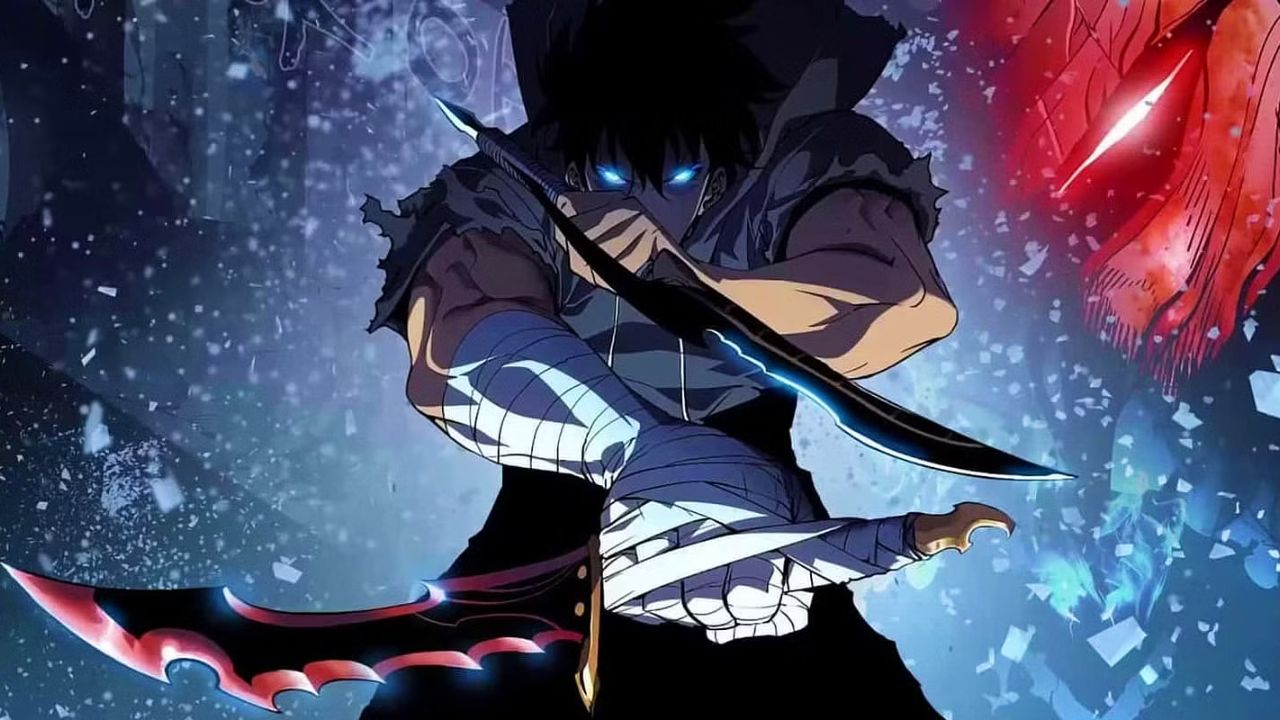
Producing a high-quality webtoon episode weekly demands a ruthlessly industrialized workflow. Creators accustomed to spending days perfecting the rendering and lighting of a single piece of fanart will quickly find that applying this methodology to a 40-panel comic guarantees severe burnout. Success relies heavily on the advanced automation features of digital art software, particularly industry standards like Clip Studio Paint.
Efficiency begins in the pre-production phase with optimized character design. A webtoon creator may need to draw their protagonist fifty times per week; therefore, highly detailed elements such as intricate lace, complex armor, or elaborate patterns become massive production liabilities. Characters should be simplified to feature strong, instantly recognizable silhouettes and a maximum of three dominant colors, ensuring rapid reproduction during action sequences.
Furthermore, the pervasive use of 3D models has revolutionized the drafting phase. To meet grueling weekly deadlines, creators utilize 3D character figures—often applying pre-made poses from asset stores—directly onto the canvas. By drawing line art over these models, artists ensure perfect proportions and perspective without sacrificing their unique stylistic flair. This technique, alongside the use of 3D architectural models for complex backgrounds, allows a solo artist to bypass hours of manual perspective drawing.
Digital automation tools are equally vital during the rendering phase. Utilizing the “close and fill” tool allows creators to flood bounded areas with base colors instantly, while custom “Color Sets” prevent time wasted on repeatedly color-picking from reference sheets. For repetitive details like jewelry or magical effects, applying a layer “Border Effect” automatically outlines brush strokes, instantly rendering clean details without the need for double-inking. Additionally, any element that appears repeatedly—such as foliage, lace, or specific textures—should be registered as a custom brush tip, transforming hours of meticulous detailing into a single pen stroke.
| Character Design | Highly detailed, complex textures, extensive color palettes. | Simplified silhouettes, three-color rule, minimized intricate details for rapid reproduction. |
| Drafting & Poses | Hand-drawn from scratch, requiring extensive anatomical correction. | Integration of 3D models and pre-made poses as a foundational sketch layer. |
| Backgrounds | Meticulous hand-drawn perspective and environmental rendering. | 3D architectural models overlaid with gradient maps and mood-specific blending modes. |
| Flatting & Details | Manual coloring within lines; hand-drawing every chain, leaf, or pattern. | Automated “close and fill” tools; custom image material brushes for repetitive textures. |
The Realities of Serialization and Protecting Mental Health
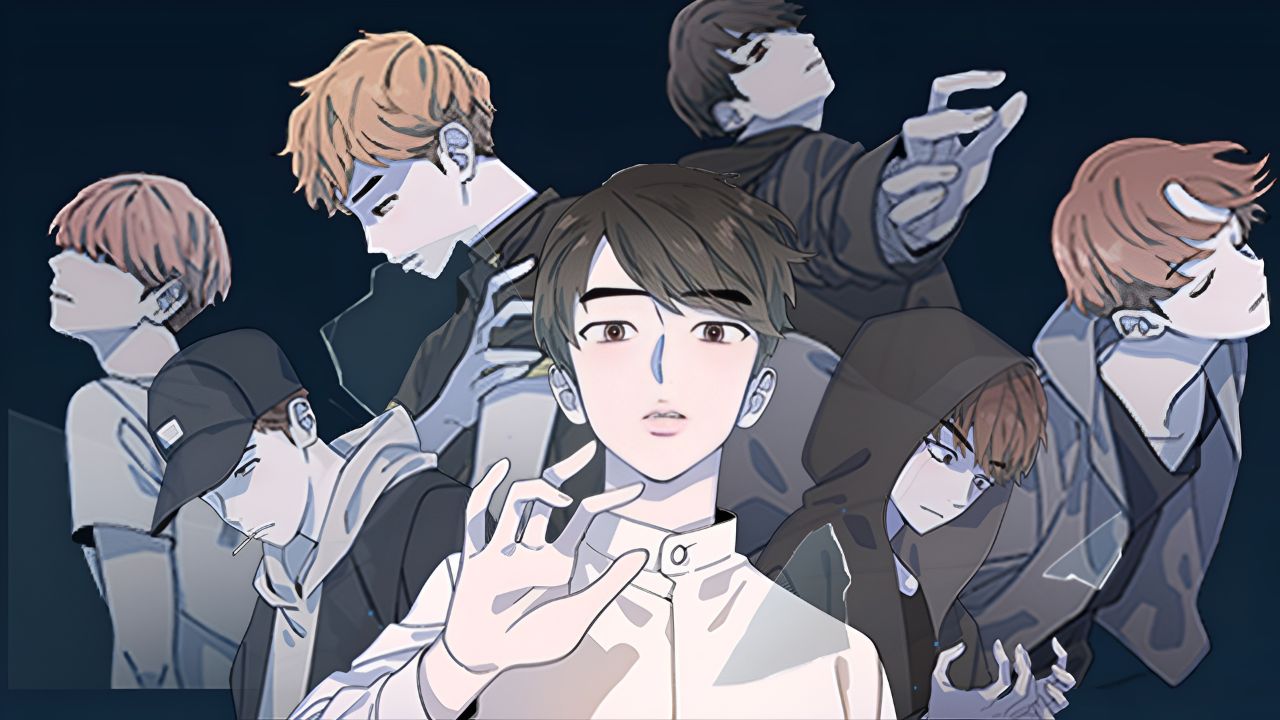
The ultimate ambition for many creators transitioning from fanart is to monetize their original intellectual property, a goal that requires navigating the two-tiered system of the Webtoon platform: Canvas and Originals.
Webtoon Canvas serves as an open, self-publishing platform where creators retain absolute control over their intellectual property, upload schedule, and narrative direction. However, the lack of editorial barriers means the platform is highly saturated, making organic discovery immensely difficult. Monetization on Canvas is entirely dependent on the creator’s hustle, relying on ad revenue sharing, the platform’s tipping mechanisms, and directing loyal readers to external crowdfunding sites like Patreon.
Conversely, Webtoon Originals are curated, contracted series selected by platform editors. Transitioning to an Original series provides guaranteed base compensation, professional marketing, and the potential for lucrative transmedia adaptations, such as print publishing or merchandise. However, this financial security demands profound compromises. Original contracts enforce strict, non-negotiable weekly deadlines, frequently requiring upwards of 40 panels per episode. Furthermore, creators must relinquish a degree of narrative autonomy, as editors may mandate pacing changes or plot alterations to optimize reader retention, which can inadvertently frustrate legacy audiences.
The industrialized pace of contracted serialization is the primary catalyst for the widespread physical and mental burnout observed within the industry. To protect their well-being and ensure creative longevity, creators are strongly advised to build a substantial “buffer”—a backlog of at least three to four completed episodes—prior to publishing their first chapter. This buffer acts as a critical safety net against illness, art block, and the unrelenting pressure of weekly deadlines. Ultimately, whether navigating the independent grind of Canvas or the high-stakes environment of Originals, acknowledging the necessity of scheduled breaks and prioritizing mental health over algorithmic demands is the most crucial strategy for sustaining a career in original webcomic creation.