
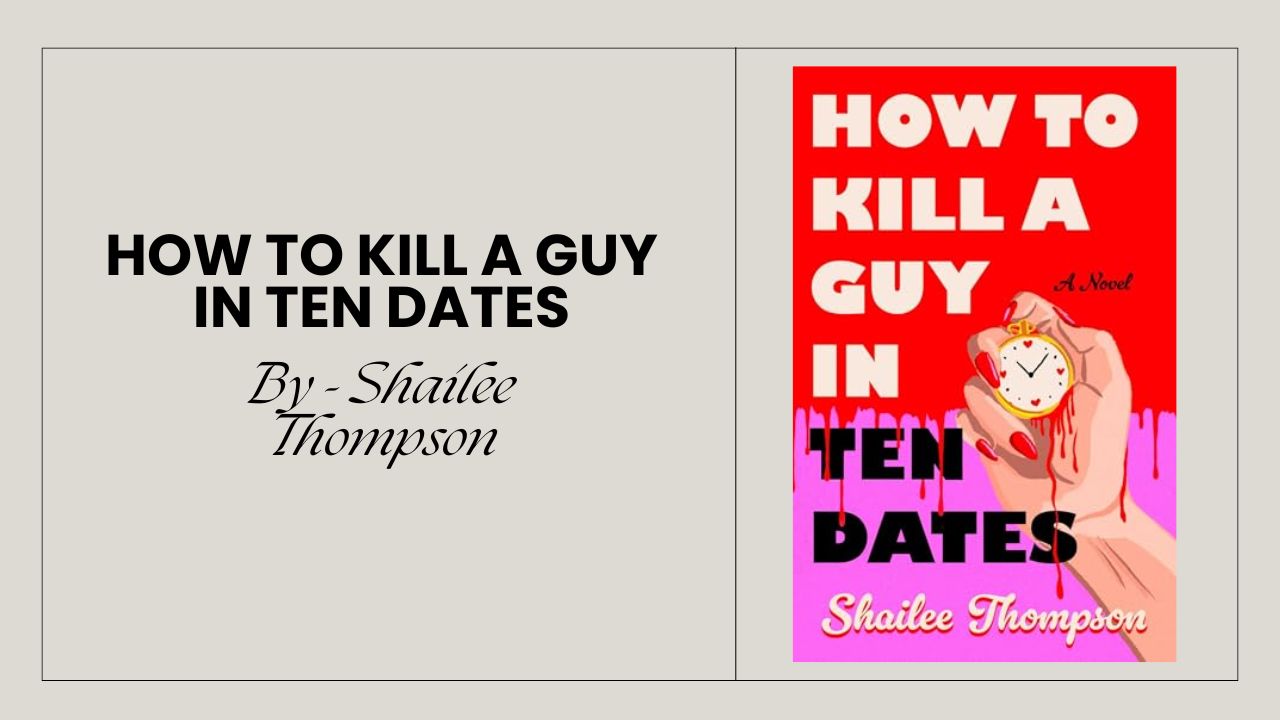
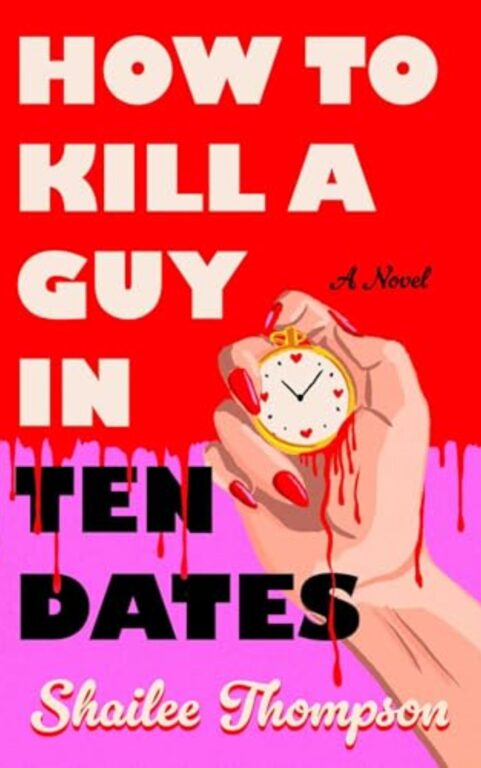
Shailee Thompson’s debut “How to Kill a Guy in Ten Dates” reads like someone threaded a rom-com into a slasher film and then dared you to laugh while hiding under the covers. It’s sharp, gory, and oddly tender — a mashup that stakes a claim for “horror romance” without apology.
Synopsis
Jamie Prescott, a horror-obsessed grad student, ends up at a speed-dating event that turns into a bloodbath; she’s suddenly the only one who seems to understand the rules of survival because she knows every beat of the films she adores. What follows is part survival manual, part send-up of romantic tropes, and part mystery — as Jamie tries to stay alive (and maybe find love?) while decoding which of the attractive suitors is actually the masked threat. The “final girl meets rom-com” pitch drives the story, and that push-and-pull of tone keeps the tension alive.
Characters & voice
Jamie is a delightfully clever narrator: cinephile, self-deprecating, and frequently smarter about fictional relationships than the people actually in them. Thompson’s ear for dialogue leans rom-com snark — wisecracks, awkward flirting, and pop-culture asides — but she pairs that with visceral, sometimes grisly set pieces. Secondary characters are sketched quickly but memorably, reading like the supporting players in a horror movie — familiar, functional, and occasionally, heartbreakingly human.
Tone, theme & what it’s really about
On the surface this is a clever gimmick: rom-com beats plus slasher logic. Underneath, Thompson threads grief and the way trauma reshapes how we seek connection. There’s a quiet melancholy beneath the jokes; the comedy doesn’t erase the stakes, it sharpens them. That tension — between laughs and dread — is the book’s emotional engine.
Pacing & structure
Each chapter leans into genre awareness, nodding to classic rom-coms and slashers, which gives the novel a playful rhythm. Scenes move briskly from flirtatious small talk to high-stress chases without feeling disjointed. A few mid-book detours slow the mystery slightly, but they mostly deepen Jamie’s inner life rather than derail the plot. It’s the kind of book that invites binge-reading.
What works best
- The concept is instantly compelling and executed with confidence.
- Jamie’s narration is funny and warm, making the darker moments hit harder.
- The genre-savvy humor — using horror “rules” as survival logic — stays clever rather than gimmicky.
What might not land for everyone
- Readers sensitive to tonal whiplash may struggle with the sharp swings between rom-com levity and slasher brutality.
- Some side characters are intentionally archetypal, which may feel thin if you prefer deeply layered ensembles.
Final verdict — who should read it
If you enjoy meta-genre storytelling, a self-aware “final girl,” and the idea of romance unfolding under very unsafe circumstances, this is an entertaining, memorable ride. It’s perfect for readers who like their rom-coms dark, their horror witty, and their stories aware of the rules they’re about to break.