When you think of the stock market, images of stock tickers, Wall Street traders, or finance news channels might come to mind. But the true story behind how the stock market was born—and how it works today is far more fascinating and surprisingly rooted in history. Long before the flashing screens and financial jargon, the concept of buying shares began with a group of adventurous merchants and a fleet of trading ships. What started as a bold experiment in shared risk has evolved into one of the most powerful economic systems in the world. Let’s take a closer look at where it all began and how it operates now.
The Birth of the Stock Market: The Dutch East India Company
In the 1600s, the Dutch East India Company ran one of the largest trading operations in the world. With a vast fleet of ships, the company transported gold, porcelain, spices, and silk across continents. But maintaining such an enormous operation didn’t come cheap.
To finance their long and costly voyages, the company came up with an ingenious idea: let private citizens invest in their missions. In return, these individuals would receive a share of the profits once the ship returned from its trade routes. This strategy wasn’t just effective—it was revolutionary.
Soon, the company began offering these shares in bustling coffee houses and shipping ports throughout Europe. Without realizing it, the Dutch East India Company had invented the first stock market. A concept born out of necessity would soon become the foundation of global finance.
The Modern Stock Market: A More Complex Machine
Fast forward to today, and the stock market has evolved into something far more intricate. Schools teach it, careers are built around it, and entire television networks exist just to analyze its every move. But despite all the complexity, the core idea remains the same: people invest in businesses they believe will succeed.
Let’s break down how this works in the modern world.
A New Business Joins the Market: The IPO Process
Imagine a new coffee company wants to go public. The first step is attracting big investors who believe in the business. If these early investors are impressed, they’ll invest and help sponsor the company’s Initial Public Offering, or IPO.
The IPO is like the company’s grand entrance into the public market. From that point on, anyone—from major corporations to individual investors—can buy a piece of the company by purchasing stocks.

How Stock Ownership Works
When you buy stock, you’re not just throwing money at a business—you’re becoming a partial owner. Your investment helps that company grow. If the business starts doing well, other investors may take notice and buy stock too. As demand increases, the price of the stock goes up. That benefits everyone who bought in early—their shares are now worth more.
This increase in stock value doesn’t just help investors. It also raises the company’s overall market value and gives them the financial fuel to grow even further.
What Happens When Things Go South?
But not all stories are success stories. If a company begins to struggle—maybe due to a bad product, poor leadership, or external factors like a trade ban—investors might lose faith. Fearing losses, they start selling their stocks.
As more people sell, the demand drops. And when demand drops, so does the stock price. A falling stock price leads to a lower market value, which can make things even worse for the company. Investors lose money, and the company may struggle to raise funds.
What Influences the Stock Market?
The ups and downs of stock prices aren’t just about company performance. They’re influenced by many factors:
- Cost of raw materials
- Technological changes
- Labor costs
- Leadership changes
- Public perception
- Government policies
- Global economic trends
Even emotional factors like investor confidence can dramatically shift stock prices. Sometimes, it’s not about how well a company is doing—it’s about how well people think it’s doing. In the world of stocks, perception often becomes reality.
The Risk and Reward of Investing
This emotional rollercoaster is why most financial experts recommend long-term investing. Trying to make a quick buck from sudden market changes is risky business. In contrast, long-term investments have a better chance of weathering market noise and benefiting from gradual growth.
But even professionals don’t have a perfect formula. They rely on analytics, market tools, and experience to make informed bets. The system may be unpredictable, but it’s not entirely unknowable.
Investing Is No Longer Just for the Wealthy
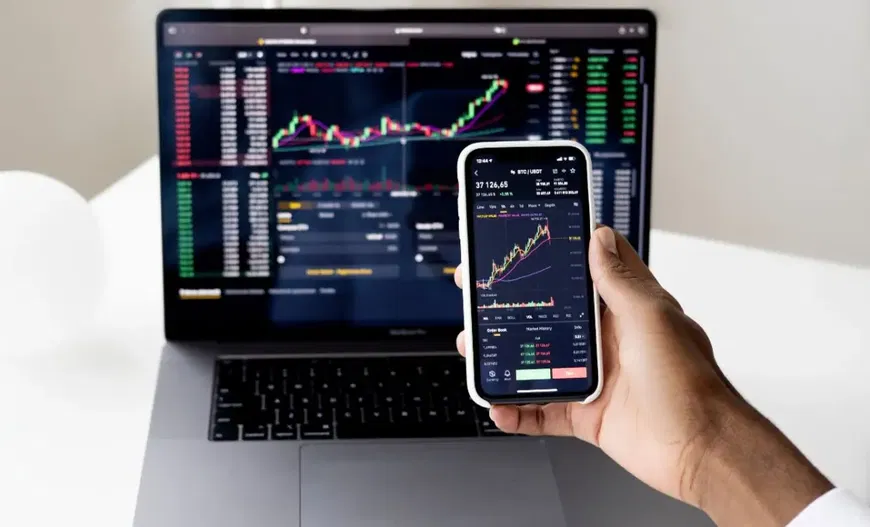
Thanks to the Internet, investing is more accessible than ever. Today, anyone with a smartphone and some research can buy and sell stocks. Everyday investors can back companies they believe in and build personal wealth over time—just like the big players.
The key? Education. The more you understand how the market works, the more confident and strategic your investment decisions can be.

Final Thoughts: Your First Step Into the Market
The stock market has come a long way from the docks and coffee houses of the 1600s. But its core purpose remains unchanged: helping businesses grow through public investment.
Whether you’re aiming to build a financial future or support a company you love, the first step is simple—get invested.
Also Read: How Smartphones Are Affecting Our Brains