
You get a tiny paper cut while flipping through a book—nothing major, just a thin red line on your finger. But within moments, your body is already reacting. The skin around the cut starts to swell slightly, maybe sting a bit, and soon you see a scab begin to form. It might seem like a small inconvenience, but beneath the surface, your body’s powerful defense system is leaping into action. This is your immune system at work—identifying a threat, responding rapidly, and protecting you from what could otherwise become a dangerous infection. Without it, even a simple paper cut could turn life-threatening.
The Immune System: A Full-Body Defense Network
Your immune system is a vast and complex network of organs, tissues, and cells all working together to keep you safe. It guards your body against billions of bacteria, viruses, toxins, and other invaders. At the heart of this system are white blood cells—also called leukocytes—which originate in your bone marrow.
Once created, these cells enter your bloodstream and the lymphatic system, a secondary circulatory network that helps drain waste and toxins from your body. Every microliter of your blood carries between 4,000 and 11,000 leukocytes, tirelessly patrolling your body in search of danger.
Identifying the Enemy: Antigens and Rapid Response
These white blood cells are like security guards, constantly on alert. But how do they know what to look for? The answer lies in antigens—molecular markers on the surface of harmful invaders. When leukocytes detect these antigens, your body jumps into action, often in just minutes.
Your immune system doesn’t take a one-size-fits-all approach. Threats come in many shapes and sizes, so your defense must be just as varied. To deal with this, leukocytes are split into two major types: phagocytes and lymphocytes, each with specialized jobs.
Phase One: Phagocytes Destroy and Signal
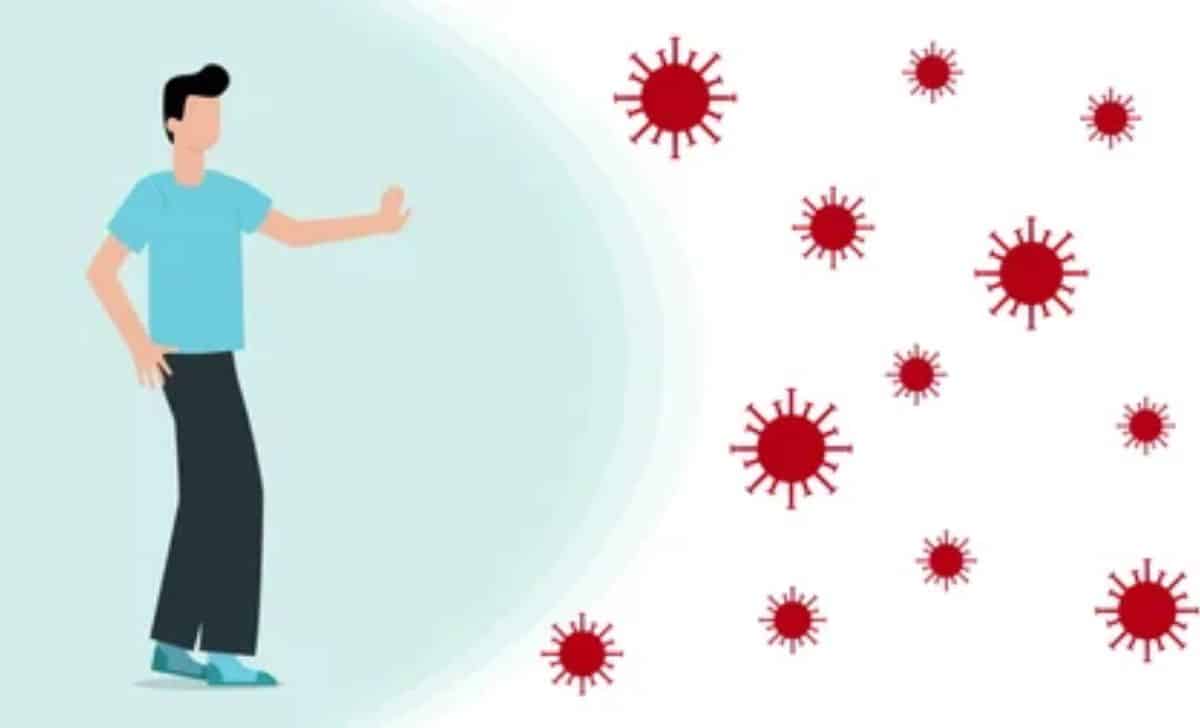
The first responders in this process are the phagocytes, which include macrophages and dendritic cells. These cells circulate in your bloodstream and lymph, hunting down invaders. When they find foreign cells, they consume and digest them.
But phagocytes don’t just clean up—they also gather intelligence. They identify the specific antigen on the invader they just destroyed and pass this crucial information to the next line of defense: the lymphocytes.
Phase Two: Lymphocytes Customize the Counterattack
T-cells, a type of lymphocyte, take that antigen information and search for infected cells inside the body. When they find them, they swiftly destroy those compromised cells before the infection can spread.
Meanwhile, B-cells and helper T-cells begin producing antibodies, highly specialized proteins designed to match each unique antigen. Think of it like a lock-and-key mechanism: the antibody binds perfectly to the invading cell and neutralizes it. A single B-cell can produce millions of these, unleashing a customized defense army that swarms the threat until it’s eliminated.
Why Fevers and Swelling Are a Good Thing
While this battle rages, your body begins to show symptoms—fever, inflammation, maybe even aches. But these are not just side effects; they are part of your body’s plan.
A fever makes the body hotter, slowing down bacteria and viruses that prefer cooler environments. Swelling, meanwhile, happens because injured cells release chemicals that cause fluid to leak into tissues. This swelling draws in phagocytes to clean up dead cells and kill off invaders, accelerating your recovery.
The Ultimate Goal: Long-Term Immunity
Most immune responses resolve within a few days. You might still get sick, but the goal isn’t to prevent all symptoms—it’s to stop the threat from becoming dangerous. And once the battle is over, your immune system doesn’t forget.
Both B-cells and T-cells remember the invaders they’ve fought before. The next time that same threat returns, your body is ready. It can deploy the right antibodies almost instantly, often neutralizing the infection before you even feel sick. That’s how immunity works—and why you usually don’t get chickenpox twice.

When the Immune System Goes Rogue
As powerful as it is, the immune system isn’t perfect. In some people, it gets confused. Autoimmune diseases occur when the immune system starts attacking the body’s own healthy cells. These disorders—such as Type 1 diabetes, multiple sclerosis, and rheumatoid arthritis—can disrupt normal body function and vary widely in severity. Scientists are still trying to fully understand why these malfunctions happen.
A Lifetime of Protection
Despite its flaws, your immune system is nothing short of a biological miracle. Over the course of your life, it will protect you from roughly 300 colds and countless other threats. It works around the clock—detecting, identifying, attacking, and remembering. Every time you swat at a mosquito bite or recover from a sore throat, you’re witnessing the result of an incredible system evolved to keep you alive.
So next time you feel that itchy bump or a runny nose, pause for a second. That’s your immune system doing what it does best: saving your life without you even realizing it.