
Streaming services have revolutionized entertainment and played a transformative role in the rise of authors as modern-day celebrities. When platforms like Netflix, Prime Video, and Apple TV+ adapt books into series or films, authors often find themselves thrust into the global spotlight, enjoying fame that once was reserved for actors or directors. With the unique dynamics of on-demand digital culture, writers behind bestselling novels and even indie hits now possess social media fanbases, red carpet invitations, and opportunities far beyond what print sales alone once offered.
How Streaming Changed Author Fame
Not so long ago, authors gained notoriety chiefly through literary awards, bestseller lists, and newspaper interviews. Only a select few achieved international celebrity status—typically those whose books were turned into major motion pictures or who sustained a public profile over decades. The advent of streaming, however, dismantled old gatekeeping and democratized influence.
Streaming services have vast content appetites and global audiences. When they select a novel for adaptation, buzz explodes instantly, and authors often see their social media followings grow exponentially. Readers rediscover back catalogs, and new fan communities spring up in dozens of countries—sometimes overnight. The binge-watching phenomenon fuels mass engagement, keeping both author and book relevant for a much longer period than the traditional publication and movie release cycle allowed.
The “Binge Effect” on Publishing
The binge-release strategy, popularized by Netflix, doesn’t just capture viewers’ time—it also shapes book trends. Authors whose works are adapted for streaming platforms are often encouraged (or contractually obliged) to expedite sequels or spin-offs to satisfy audience hunger. This “binge effect” is mirrored in the publishing industry with rapid multi-volume releases—think Jenny Han’s The Summer I Turned Pretty trilogy, which became a Prime Video blockbuster, catapulting Han herself to household-name status among young adult fans worldwide.
Serial storytelling is further incentivized by e-book services like Kindle Unlimited, which reward writers based on reader consumption rates rather than just sales. This model is not only lucrative but enables more authors to cultivate large followings—sometimes exceeding traditional publication routes.

Examples of Celebrity Authors After Streaming Adaptations
Streaming’s impact on author celebrity is best illustrated through real cases. Here are several authors whose work adaptations led to meteoric rises:
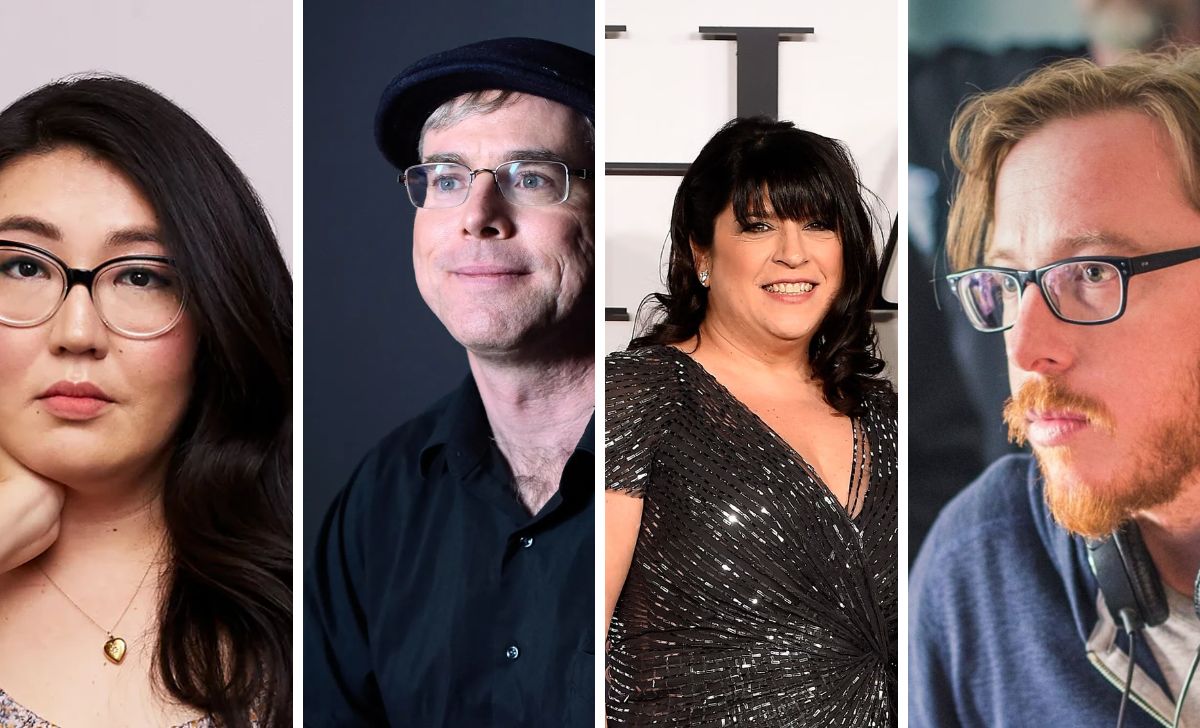
Jenny Han
Before Prime Video adapted her To All the Boys I’ve Loved Before and The Summer I Turned Pretty, Jenny Han was popular with YA readers but little-known outside that world. The streaming adaptations brought her stories mainstream attention and a global audience; she now enjoys millions of social media followers, influencer status, and frequent appearances at fan events.
Blake Crouch
Blake Crouch’s mind-bending speculative fiction, including the Dark Matter trilogy, gained a devoted literary following. But when Apple TV+ premiered Dark Matter starring Jennifer Connelly and Joel Edgerton, Crouch became a widely recognized figure, interviewed for major magazines, featured on podcasts, and invited to TV show panels to discuss “the science behind his fiction”.
E.L. James
Fifty Shades of Grey began as self-published Twilight fan fiction before becoming a global phenomenon and later, a blockbuster film series available via streaming. E.L. James transformed almost overnight into a celebrity author, often cited in “who’s who” lists and routinely interviewed about her personal life and creative process.
Andy Weir
Andy Weir self-published The Martian before Ridley Scott’s Hollywood adaptation. Its release, along with streaming accessibility on multiple platforms, made Weir a science hero; he fields speaking engagements with NASA, consults on science-forward films, and has a substantial online following.
Karen Kingsbury
Karen Kingsbury, once prominent in Christian fiction circles, is now well-known far outside those circles thanks to Hallmark and Sony adapting her novels for television. Streaming releases of The Baxters and A Thousand Tomorrows and record-breaking viewership have made her a major presence—with a production company to her name and an audience that reaches global mainstream.
Luke Jennings
Luke Jennings’ Villanelle series was adapted into the BBC sensation Killing Eve, available on streaming platforms worldwide. Jennings saw a massive boost in profile, becoming a pop culture interviewee and subject of fan art and discussion.
Lauren Oliver
Lauren Oliver’s Before I Fall became a motion picture, and her novel Panic was developed into an Amazon Prime series, solidifying her as a YA literary celebrity with production credentials and a thriving entertainment business behind her name.
Exploring the Cross-Media Spotlight
The transformation from writer to celebrity is not just about sales but also about presence. Streaming adaptations often mean:
- Invitations on talk shows and podcasts.
- Participation in panels at conventions, not just as “authors” but as “creators” or “executive producers”.
- Major upticks in social media and fan engagement.
- Opportunities to sell more books via streaming-linked promotions and tie-in products.
- Awards and nominations in both literary and TV/film industries.
For many, streaming success spawns new career paths, such as becoming script consultants or media producers (Lauren Oliver, Karen Kingsbury). They go beyond traditional book tours, gaining associate or executive producer credits on adaptations—and, in turn, gaining “celebrity status” well beyond the literary scene.

The Challenges and Complexities
With fame comes scrutiny: celebrity authors navigate pressure to produce sequels, balance creative control with network requirements, and preserve their original voice amid blockbuster expectations. The speed of social media and the global reach of streaming means controversy and critique can spread quickly. However, most agree that the rewards—creative autonomy, financial stability, and personal visibility—far outweigh traditional literary circuits.
Conclusion
Streaming services have rewritten the rules for authors, lifting many to the ranks of pop-culture icons. Whether rising from self-publishing obscurity (E.L. James, Andy Weir) or enjoying a second wind for backlist classics (Jenny Han, Karen Kingsbury, Blake Crouch), today’s streaming platforms are entertainment powerhouses that turn authors into celebrities, creating fan bases and opportunities that were once unimaginable. The next time a binge-worthy series grips global attention, it’s likely the author behind the story will step into the limelight, forever changed by streaming’s immense reach.