
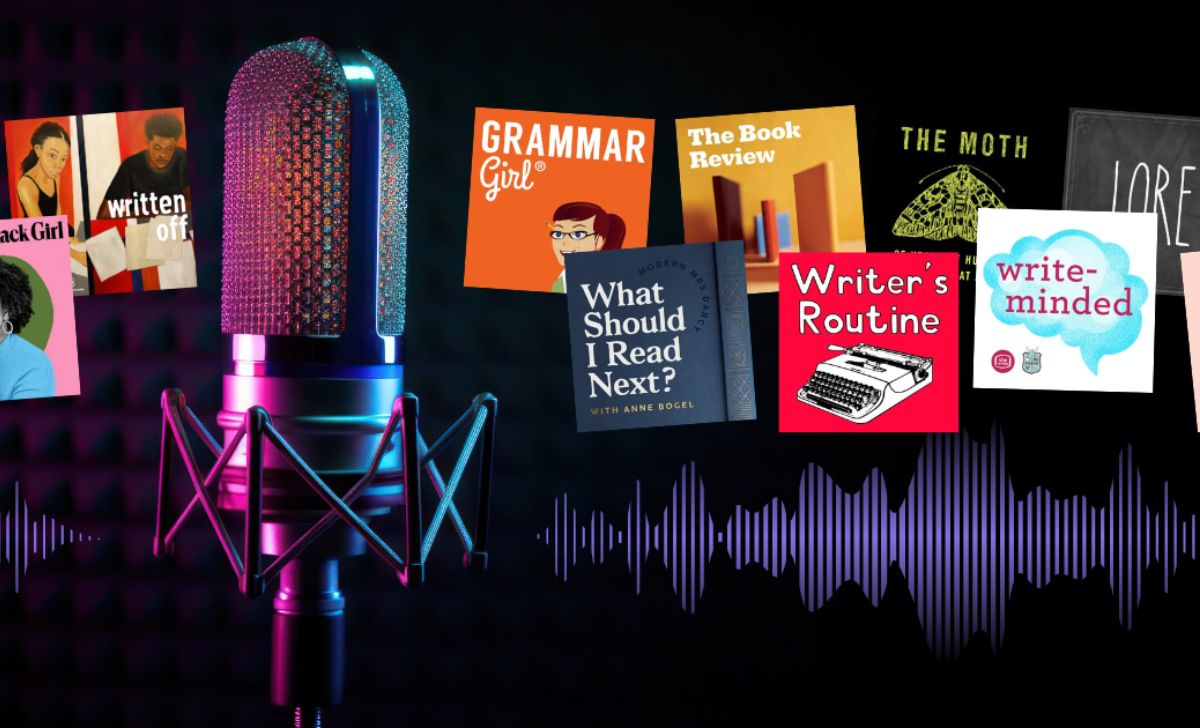
In an age where readers expect more than the printed word, podcasts have become a powerful tool for authors to bridge the gap with their fans. No longer confined to the pages of a book or the limited hours of a signing event, authors now step into their readers’ daily lives through conversations, interviews, and storytelling delivered directly into their earbuds. Podcasts create intimacy, foster loyalty, and build communities, enabling writers to deepen connections with fans like never before.
The Rise of Podcasting in the Literary World
Podcasting has evolved from a niche medium into a mainstream channel for entertainment, education, and storytelling. As of 2025, there are millions of podcasts across every conceivable topic. For readers, podcasting offers an opportunity to hear from authors in a raw, unfiltered manner that social media posts and carefully crafted press releases often cannot capture.
For authors, podcasts open a door to expand their presence beyond book tours and newsletters. A single appearance can reach a global audience, and an author-hosted podcast can transform fans into a dedicated community that eagerly awaits every episode. The accessibility factor is powerful as well—unlike video, listeners can tune in while commuting, doing chores, or exercising, which means authors slip seamlessly into their fans’ daily routines.
Beyond the Book: Humanizing the Author
Readers often view authors as distant figures. They see them as names on a cover or photos on a dust jacket. Podcasts flip this perspective. When an author shares their creative struggles, laughs about a failed first draft, or talks candidly about how personal experiences shaped their stories, fans hear the human being behind the written word.
This humanizing effect deepens a fan’s loyalty. Suddenly, the author isn’t just the person who wrote a book they enjoyed—the author becomes a mentor, a guide, or even a friend. That personal connection makes readers more likely to follow the author’s work, recommend books to others, and show up for events both online and in-person.
Podcasts as Storytelling Extensions
Authors are, at their core, storytellers. Podcasts let them extend the narrative beyond the finished book. Some use podcasts to share side stories about their characters, deleted scenes, or world-building details that never made it to print. Fantasy and science-fiction writers, in particular, have found enormous success in using podcasts to expand their universes.
For memoir writers and nonfiction authors, podcasts provide space to go deeper into themes and topics introduced in their books. A historical author might discuss research that couldn’t fit into the manuscript, while a self-help writer might offer practical tips that complement their published advice. These episodes provide layered value to the fans, increasing both engagement and appreciation of the author’s craft.

A Two-Way Conversation
Unlike the one-directional tradition of publishing, podcasts create room for interaction. Many authors invite fans to send in questions, share feedback, or even participate in live-recorded shows. These interactions transform the idea of fandom from passive consumption to active involvement.
As fans hear their names mentioned or their questions answered in an episode, they feel a stronger bond with the author. That acknowledgment turns casual readers into super fans, people who will talk about the author’s work on social media, buy special editions, and attend virtual or in-person events.
Marketing with Subtlety
Traditional book marketing often feels pushy or transactional. Podcasts, however, allow for a gentler, more organic form of promotion. An author can discuss their new release in the context of inspiration, themes, or research stories rather than delivering a sales pitch. Listeners appreciate authenticity, and when they feel a connection to the writer’s journey, the impulse to buy the book happens naturally.
Moreover, guest appearances on existing podcasts can expose authors to entirely new groups of readers. Being a guest on a popular book podcast or even on unrelated shows—such as those covering history, true crime, or wellness—introduces writers to audiences already invested in topics similar to their work. This fusion of organic exposure and genuine conversation often converts listeners into readers.
Building Communities Through Shared Interests
Podcasts also act as community builders. Many authors launch their own shows around shared interests with their fans—whether that’s discussing favorite books, reflecting on personal growth, or exploring themes tied to their writing. These podcasts thrive because they go beyond self-promotion and instead focus on creating meaningful conversations.
For example, an author of crime thrillers might host a podcast interviewing detectives, journalists, or other writers in the genre. Fans not only learn about real-world inspirations but also immerse themselves in the larger ecosystem that fuels the author’s stories. Over time, the podcast becomes an anchor point, turning fans into participants in a broader dialogue.
The Intimacy of Voice
One of podcasting’s strongest qualities is the intimacy of the spoken voice. Listeners often describe feeling as though the host is talking just to them. This closeness can’t be replicated by tweets or blog posts. In hearing the rhythm, warmth, or excitement in a writer’s voice, fans feel emotionally connected in a way that text alone cannot deliver.
For authors, that one-on-one connection builds trust. A listener who feels like the author is a companion on their morning commute is far more likely to pick up their latest book and recommend it to friends. The intimacy becomes the foundation of a loyal readership that endures across multiple projects.
Supporting Independent Authors
Podcasts have democratized literary promotion. Where once independent authors struggled to secure shelf space in bookstores or press coverage from mainstream media, now they can build audiences directly through podcasting. Programs dedicated to indie books and writing tips attract devoted listeners eager for fresh voices.
Self-published writers who host podcasts also cultivate credibility and visibility. They not only discuss their books but also provide advice, share industry insights, or engage with other independent voices. This generosity attracts appreciation from listeners, who often become advocates for their work.
Looking Ahead: The Future of Author Podcasts
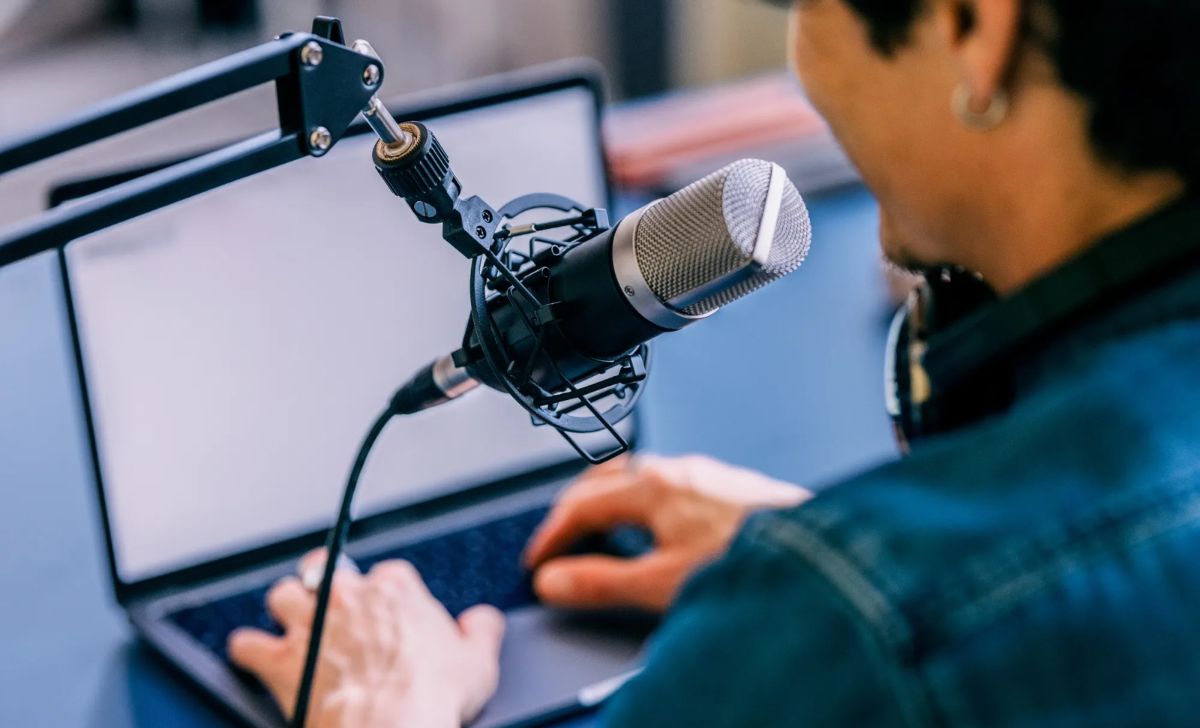
As podcasting technology advances, authors will likely experiment with new, interactive formats. Imagine serialized audio dramas acting as prequels to novel series, or author-fan live podcast sessions that double as book clubs. These advancements will blur the boundaries between traditional publishing and dynamic audio storytelling.
The future belongs to authors who see podcasting not as a side project but as an extension of their creative work. In weaving stories, sharing personal journeys, and engaging fans directly, they’ll continue to redefine what it means to connect with readers.
Final Thoughts
Podcasts have ushered in a new era for authors. By humanizing their personas, extending their storytelling, and creating interactive spaces, they’re forming deeper relationships with fans than ever before. What makes this medium so effective is its authenticity—fans want to connect with voices that feel honest and real.
For authors willing to step behind the microphone, the reward isn’t just higher book sales. It’s the chance to create communities that transcend the page, turning fleeting encounters into lasting bonds. In many ways, podcasts don’t just help fans know the author better—they help readers feel like they’re part of the story.