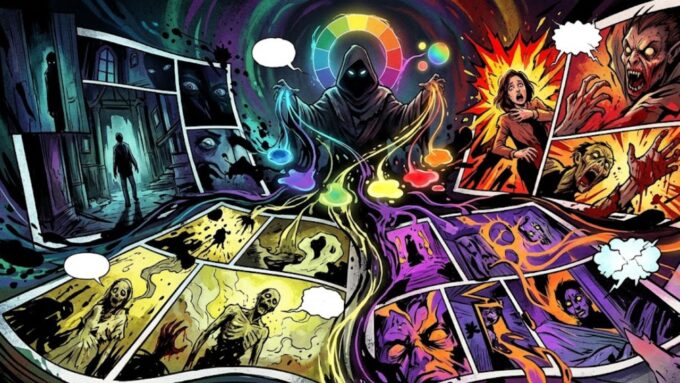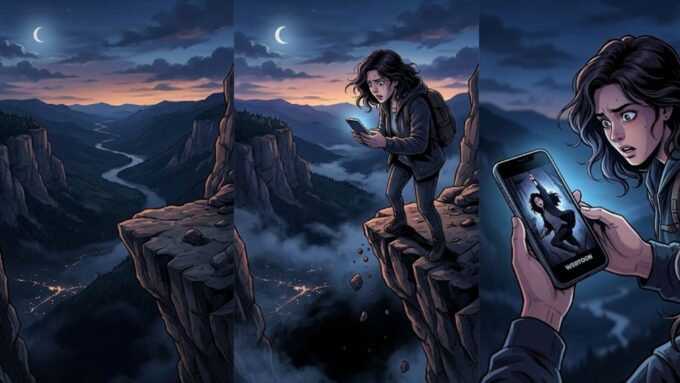


Stories have always been shaped by imagination, whether passed on through firelit myths or visualized in dynamic comic book panels. Both mythology and comics speak to our love of heroes, symbols, and extraordinary journeys. Together, they provide not only timeless archetypes but also explosive new ways to tell stories that feel both ancient and innovative. If you’re a writer looking for inspiration, blending the visual drama of comics with the depth of mythology can unlock unique creative ideas for your next project. In this blog, we’ll explore how mythology and comics can fuel your imagination, offer fresh storytelling approaches, and give you practical writing prompts to start crafting tales that feel both mythic and modern.
Why Mythology and Comics Make a Perfect Pair
At first glance, mythology and comics might feel like very different mediums: one born from centuries-old oral storytelling and ritual, the other fueled by panels, ink, and color. But a closer look reveals striking similarities.
- Larger-than-life characters: Both feature gods, goddesses, or superheroes who embody human ideals and flaws.
- Epic stakes: Myths focus on cosmic struggles—chaos vs. order, life vs. death—while comics often depict world-saving battles or moral conflicts.
- Symbolism: Mythology uses allegory and archetypes, while comics often dramatize themes through masks, costumes, and exaggerated powers.
- Accessibility: Myths were collective cultural stories, and comics emerged as popular culture for the masses.
This shared DNA means writers can draw on the mythic depth of ancient traditions while using the fast-paced intensity of comics to create stories that resonate with modern audiences.
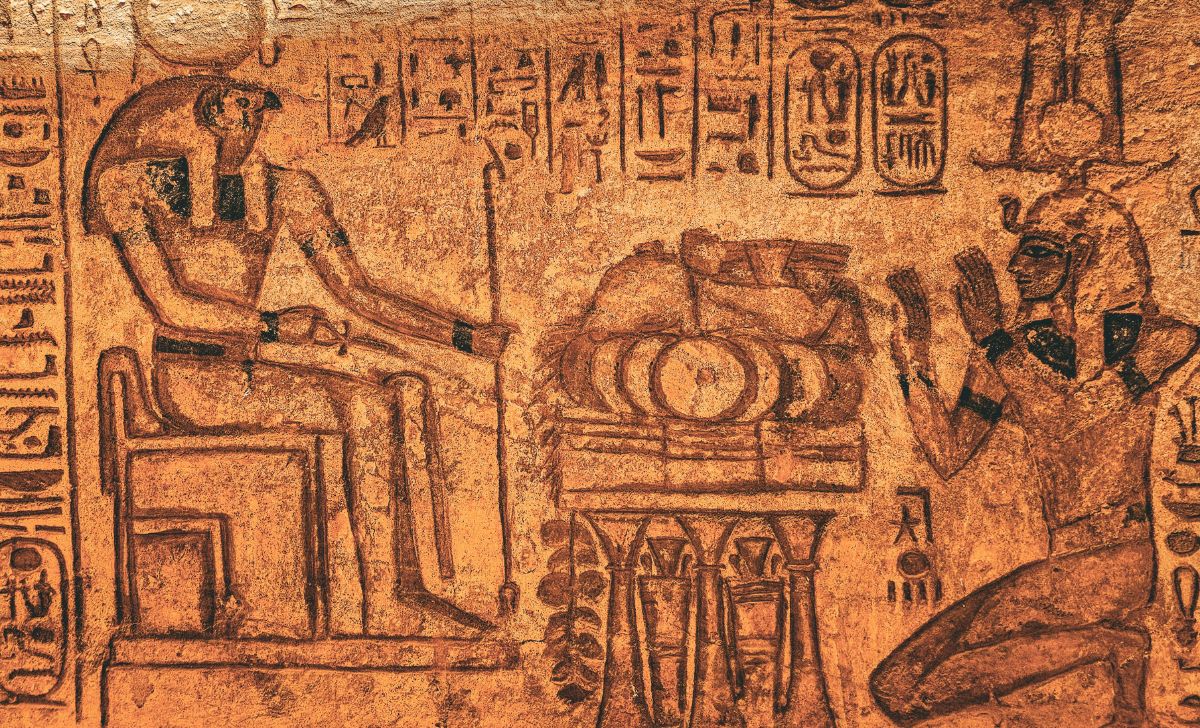
Lessons Writers Can Learn from Mythology
To channel mythology effectively into your creative writing, keep in mind what makes it powerful.
- Archetypes drive recognition: Every culture has its tricksters, warriors, healers, and lovers. These timeless character types are instantly understood by readers.
- Myths explain the inexplicable: From thunder to fate, mythology was a way to explore mysteries. Writers can borrow that framework to reveal human truths.
- Juxtaposition of human and divine: Myths frequently blur the line between gods and mortals, which allows writers to explore themes of humility, hubris, and destiny.
- Epic structures: Many myths follow cycles like Joseph Campbell’s Hero’s Journey: call to adventure, trials, and transformation.
When you write, mythic frameworks anchor your story while leaving plenty of room for innovation.
Lessons Writers Can Learn from Comics
Comics are not just about action; they are layered with storytelling techniques that can inspire prose writers as much as visual artists.
- Economy of storytelling: Comics must convey meaning in limited space, teaching writers precision in dialogue and description.
- Visual pacing: Shifting from splash pages to tight panels demonstrates how scene length and perspective control emotional impact.
- Symbol-driven world-building: Costumes, logos, and recurring motifs become shorthand for themes, proving that consistent imagery strengthens narrative identity.
- Integration of ordinary and extraordinary: Superheroes live double lives. This duality provides fertile ground for stories about masks, secrets, and human struggles.
Borrowing these traits can make prose writing sharp, visual, and unforgettably dynamic.
Creative Writing Ideas: Merging Myth and Comics
Below are ideas and prompts that merge the mythic resonance of ancient storytelling with the raw immediacy of comics. You can experiment with them whether you’re writing short stories, novels, or scripts.
1. Modern Myths in Urban Settings
Imagine gods and mythic entities coexisting with skyscrapers, trains, and smartphones. Comics like The Sandman or American Gods have shown how fresh such retellings can be.
- A reincarnated Greek muse runs a small record store, fighting to preserve human creativity against an AI-driven empire.
- The Norse trickster Loki runs a con in a modern city, but his schemes spiral into chaos when a forgotten god sues him in human court.
- A goddess of memory takes a ride on the subway each night, hearing whispered confessions and granting strangers chances for redemption.
This mix of myth and urban life creates endless possibilities for reimagining timeless figures in contemporary spaces.
2. Superheroes as Modern Demigods
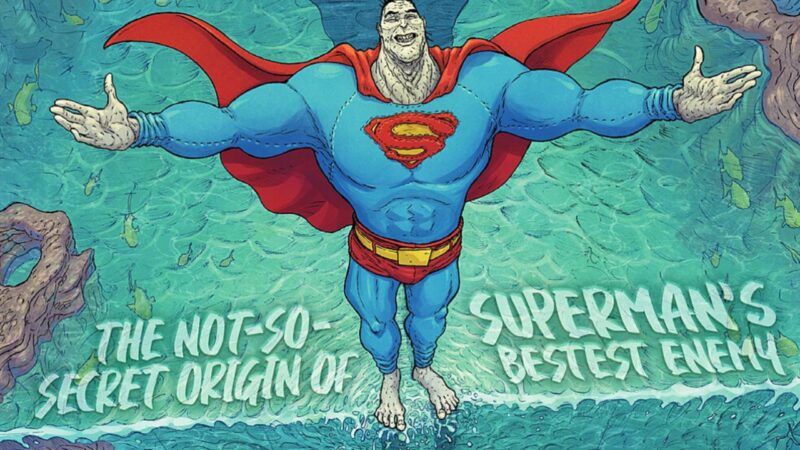
Superheroes already mirror mythical archetypes. Superman recalls Heracles, Wonder Woman embodies Amazons, and Thor literally springs from Norse mythology. But what if you designed a new superhero inspired by a lesser-known myth?
- A hero born from African folklore wields the wisdom of Anansi but must navigate the digital world’s “web” to fight misinformation.
- Inspired by Hindu mythology, a superhero channels avatars of Vishnu, transforming based on the type of conflict at hand.
- A teen discovers she is descended from an Incan storm deity, inheriting powers tied to seasonal changes in climate.
Linking superpowers directly to mythic origins makes stories richer while grounding them in cultural history.
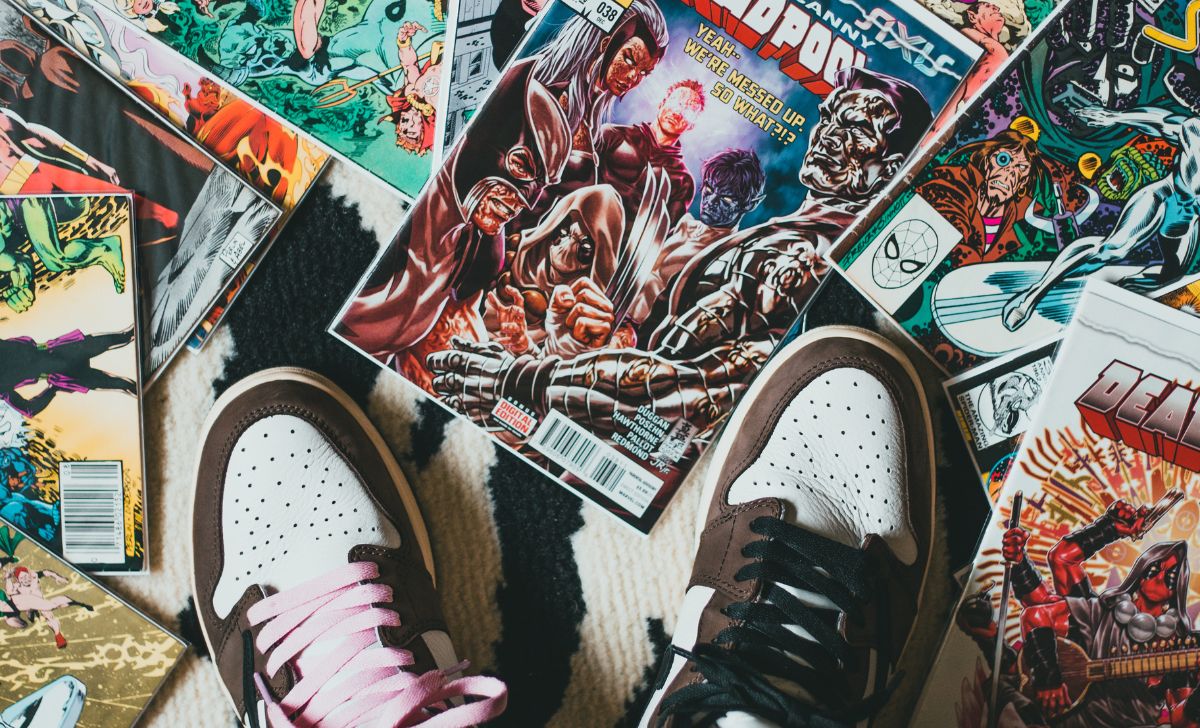
3. Mythic Villains with Comic-Book Flair
Villains are crucial to both myths and comics. Myths gave us creatures like Medusa, Fenrir, and Hades; comics gave us Joker, Doctor Doom, and Magneto. Combining those traditions can create unforgettable antagonists.
- A Medusa-inspired villain controls social media by turning attention itself into stone—once you look, you cannot look away.
- A modern-day tycoon channels Midas, whose touch now turns not just objects but human relationships into cold, transactional exchanges.
- A warlord fused with the Underworld borrows the voice of Hades to lure masses into his crusade.
Villains drawn from mythology highlight enduring flaws—greed, vengeance, hubris—that are still relevant today.
4. Cosmic Conflicts with Mythological Stakes
Mythology excels at big-picture conflicts: gods warring with titans, order battling chaos. Comics do the same: heroes save multiverses, battle alien invaders, or confront reality itself.
- A team of modern heroes must reenact a forgotten myth that once kept the Earth safe—only now, the clues to the myth are hidden in ancient graffiti scattered across cities.
- The constellations themselves wage war, falling from the sky to reclaim their stories from the humans who forgot them.
- A cosmic villain erases myths from human memory, and only librarians armed with ancient manuscripts can resist the erasure.
These grand setups mix mythic resonance with comic-book spectacle.
5. Character-Driven Mythic Journeys
Not all myth-inspired stories need to be about battles. Some of the most powerful tales focus on internal struggles.
- A superhero who can speak with spirits struggles to silence the endless voices of forgotten gods begging her to restore their temples.
- An ordinary office worker finds they were chosen by an ancient deity, but the “gift” is actually a curse that isolates them.
- A mythic trickster is trapped in a child’s body as punishment and must learn humility before regaining power.
Blending mythology with comics allows for stories about identity, loss, and growth—driven by dazzling imagination but rooted in deeply human concerns.
Writing Prompts to Get You Started
If you’re staring at a blank page, try using these prompts to spark creativity:
- Write a story about a superhero who discovers their powers mirror a mythological figure—but no one remembers the myth.
- Imagine a courtroom drama where mythological gods sue modern superheroes for “stealing their image.”
- Write a villain’s origin story tied to a mythic curse that has followed their family for centuries.
- Explore a world where every comic written in the 20th century becomes prophecy, and authors accidentally play the role of ancient oracles.
- Design a heist crew where each member embodies a mythic archetype—trickster, warrior, oracle—but lives in a neon cyberpunk city.

Tips for Blending Mythology and Comics in Your Writing
- Research deeply: Respect the source myths by learning their cultural context before reimagining them.
- Play with visual description: Borrow comic-like “snapshots” when writing scenes to heighten impact.
- Use symbolism: Small touches—a recurring image, a costume detail—make characters resonate more deeply.
- Balance humor and gravitas: Many myths are tragic, while comics often mix humor with intensity. Blending both tones creates emotional range.
- Make it personal: Tie myth or superhero elements to relatable human struggles like loneliness, ambition, or family loyalty.