If you’re a fan of visual storytelling, chances are you’ve encountered both manga and comics. While they might seem similar at first glance—both telling stories through a mix of illustrations and text—these two art forms are actually worlds apart. From cultural origins to storytelling styles, manga and comics have unique characteristics that set them apart. Let’s break it down step-by-step and explore How Manga is Different from Comics, complete with examples you’ll love.
How Manga is Different from Comics: Key Differences Explained
1. Origins and Cultural Context
The most obvious difference between manga and Comics lies in their origins.
- Manga:
Manga hails from Japan and is deeply rooted in Japanese culture and traditions. The term “manga” itself translates to “whimsical pictures,” and its history dates back to 12th-century Japanese scrolls. Modern manga as we know it began to take shape in the mid-20th century, thanks to influential artists like Osamu Tezuka (creator of Astro Boy). Manga reflects Japanese values, societal issues, and even folklore, making it a unique window into Japanese culture. - Comics:
Comics, on the other hand, have their roots in Western culture, primarily the United States and Europe. The comic strip as we know it emerged in the 19th century, evolving into longer, serialized stories in the early 20th century. Superhero comics like Superman and Batman laid the foundation for the massive industry we know today, shaping Western pop culture along the way.
Think of it this way: manga is a slice of Japan, while comics represent a mix of Western traditions.
2. Reading Direction: Left vs. Right
One of the first things you’ll notice when picking up a manga is the way it’s read.
- Manga:
Manga is read from right to left, starting from the back of the book and moving forward. This mirrors traditional Japanese writing. For newcomers, this can be a bit confusing at first, but it quickly becomes second nature. - Comics:
Comics, on the other hand, follow the Western left-to-right reading style. Pages flow from left to right, top to bottom, just like any English-language book or magazine.
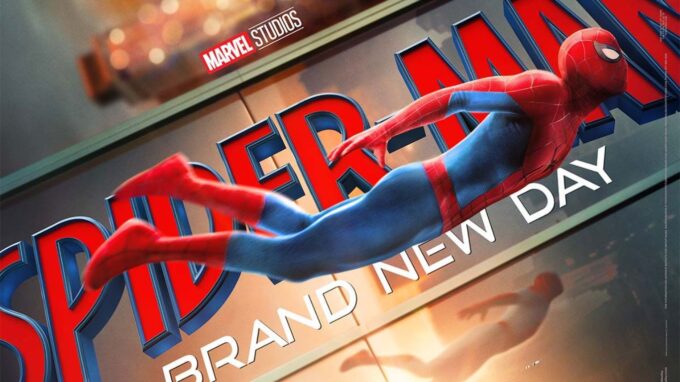
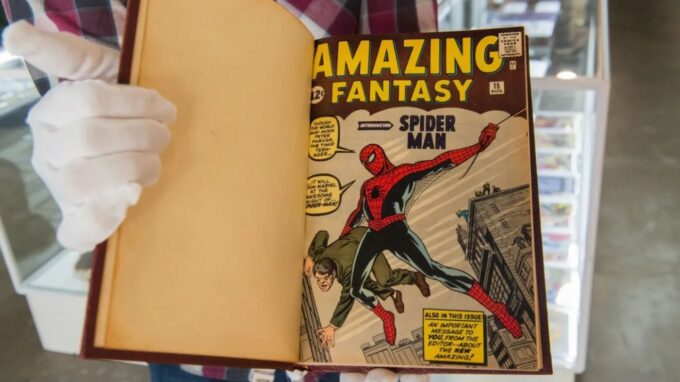
For example, a manga like Naruto would have you flipping pages “backward,” whereas an American comic like Spider-Man follows a more familiar reading format.
3. Art Style and Presentation
Manga and comics are visually distinct, and their art styles reflect their cultural backgrounds.
- Manga Art Style:
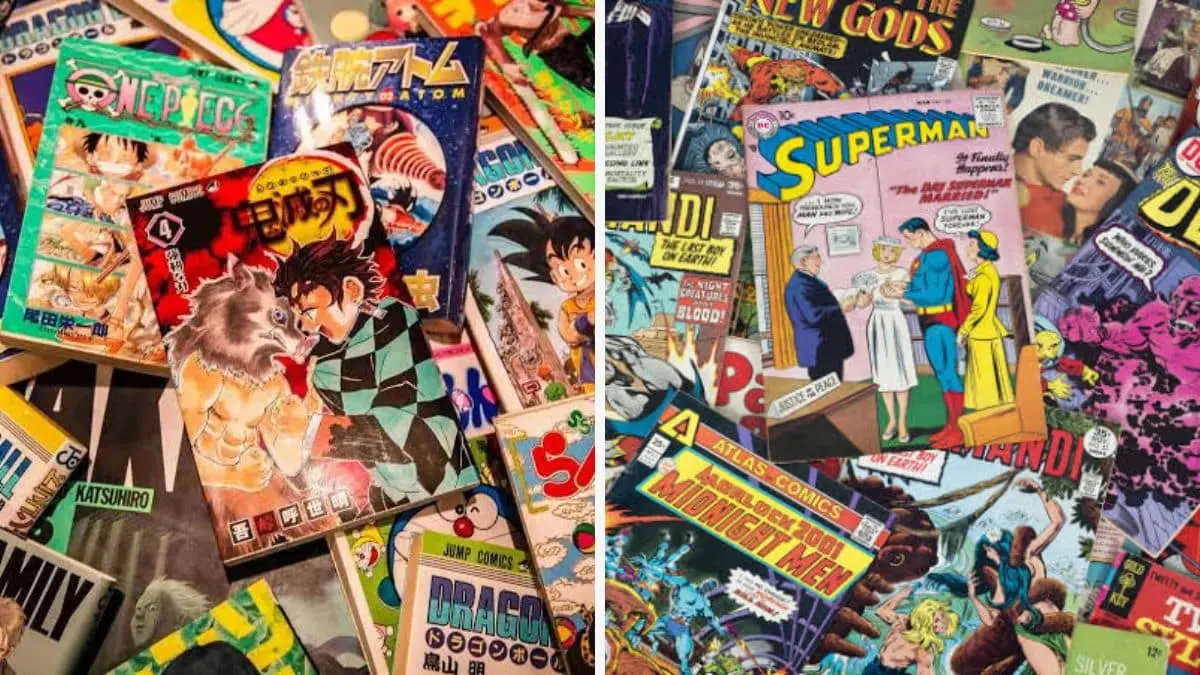
Manga tends to feature exaggerated expressions, large, expressive eyes, and detailed backgrounds. The art often shifts between hyper-realism and stylized simplicity depending on the tone of the story. For example, a dramatic moment in Attack on Titan might feature intricate, gritty details, while a comedic scene in One Piece leans into exaggerated, cartoonish designs.Additionally, manga is usually black and white. This monochrome style isn’t just a cost-saving measure—it’s also an artistic choice that emphasizes contrast and shading. - Comic Art Style:
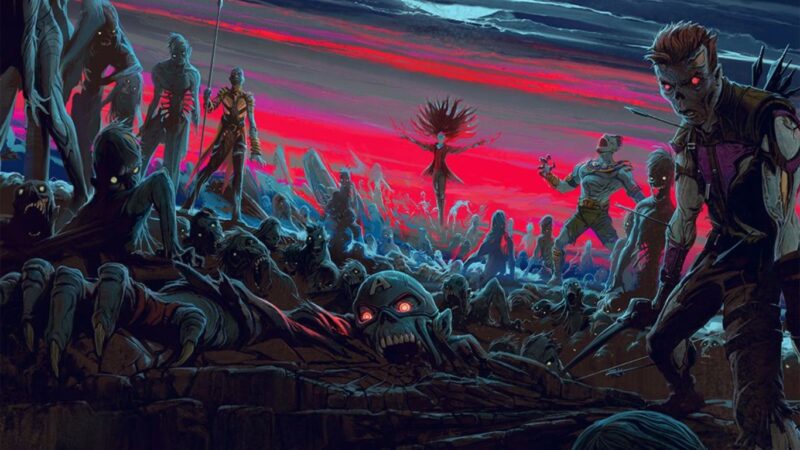
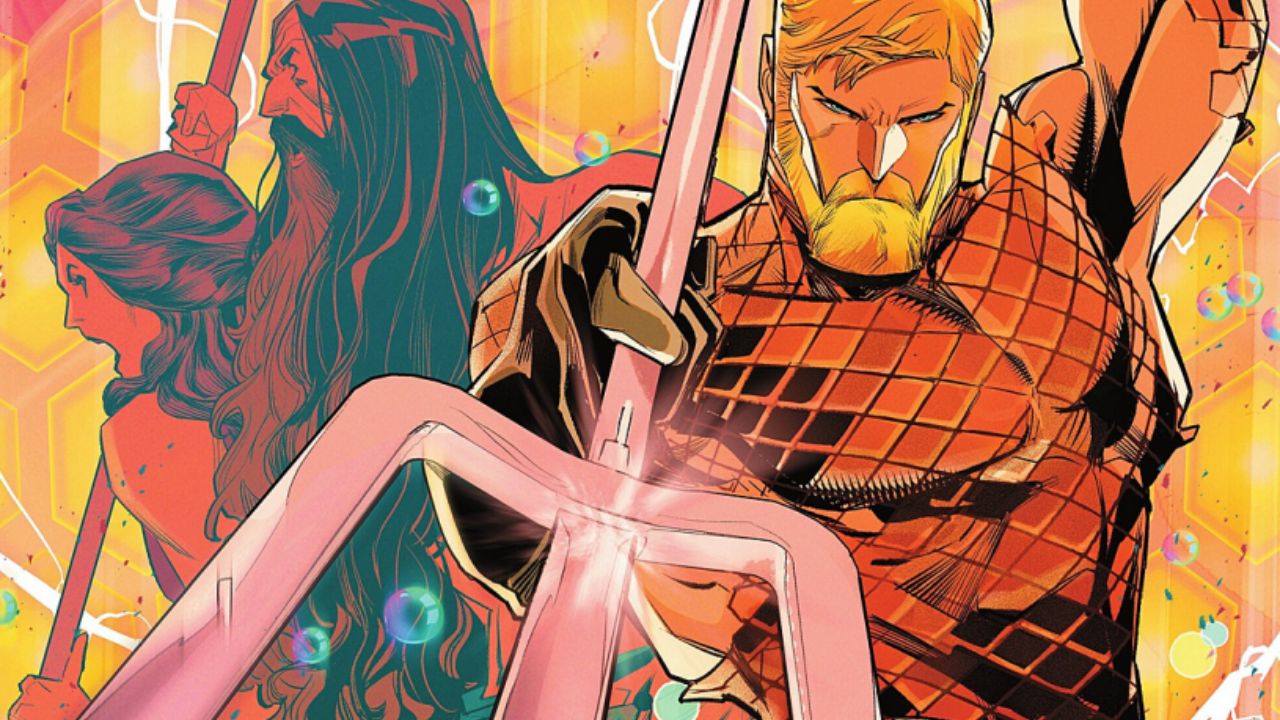
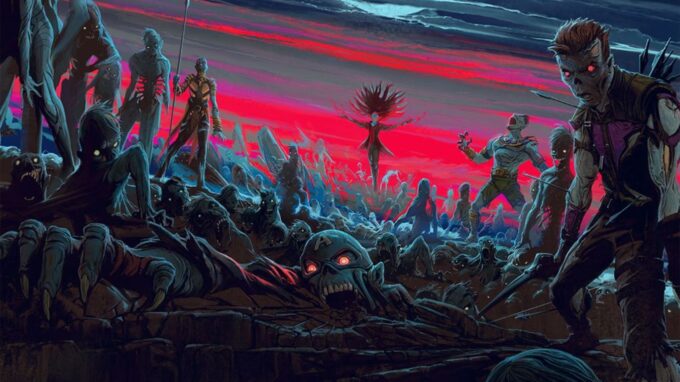
Western comics often boast bold colors and dynamic panel layouts. Superhero comics, in particular, use vibrant palettes to make characters like Iron Man and Wonder Woman pop off the page. The art style varies widely, from the realistic tones of The Walking Dead to the abstract, psychedelic vibes of Sandman.
In short, manga leans into black-and-white artistry with intricate details, while comics favor bold, colorful designs.
4. Length and Serialization
The way stories are structured and released also differs greatly between manga and comics.
- Manga:
Manga is serialized in magazines like Shonen Jump or Weekly Young Magazine before being compiled into tankobon (volumes). These volumes often tell a single, continuous story over many chapters. Popular series like Dragon Ball or Demon Slayer may span dozens of volumes, each contributing to an overarching plot. - Comics:
Western comics, particularly superhero ones, are more episodic. They’re released as single issues, often telling self-contained stories within a larger narrative arc. For instance, The Avengers comics frequently reboot with new storylines, making it easier for readers to jump in at any point. Graphic novels, however, offer more contained stories, such as Maus or Watchmen.
This difference also affects pacing. Manga tends to have a more consistent flow, while comics often restart or shift focus due to new writers and artists joining a series.

5. Themes and Genres
While both manga and comics explore a variety of themes, their approaches and target audiences can differ significantly.
- Manga:
Manga caters to incredibly diverse audiences, with genres that range from shonen (action/adventure for young boys) to shojo (romance for young girls), seinen (mature themes for men), and josei (realistic stories for women). There’s also space for niche genres like sports (Haikyuu!!), horror (Junji Ito’s Uzumaki), and slice-of-life (Your Lie in April). - Comics:
While comics also span various genres, they’re predominantly known for superhero stories. Marvel and DC dominate the market with iconic characters like Batman, Wonder Woman, and The Hulk. That said, indie publishers like Image Comics and Dark Horse have expanded the landscape with titles like Saga (sci-fi) and Hellboy (dark fantasy).
In essence, manga offers a wider range of stories tailored to specific demographics, while comics are often associated with larger-than-life heroes.
6. Production and Authorship
The creative process behind manga and comics also highlights key differences.
- Manga:
Most manga are the work of a single mangaka (author/artist), who oversees both the story and the art. For example, Eiichiro Oda has single-handedly crafted the epic tale of One Piece since its debut. This singular vision gives manga a more cohesive feel, as the mangaka controls every aspect of the work. - Comics:
Comics are typically a collaborative effort. Writers, pencillers, inkers, colorists, and editors all contribute to a single issue. For instance, Stan Lee created iconic Marvel characters, but artists like Jack Kirby and Steve Ditko brought them to life visually. While this teamwork can lead to richly detailed works, it can also result in inconsistent styles when teams change.
7. Cultural Impact and Global Reach
Both manga and comics have left their mark on global pop culture, but they’ve done so in different ways.
- Manga’s Global Influence:
Manga has exploded in popularity worldwide, especially in the last two decades. Titles like Naruto, Attack on Titan, and My Hero Academia have inspired anime adaptations, merchandise, and even live-action films. Manga conventions like Comiket in Japan and Anime Expo in the U.S. draw millions of fans every year. - Comics’ Global Influence:
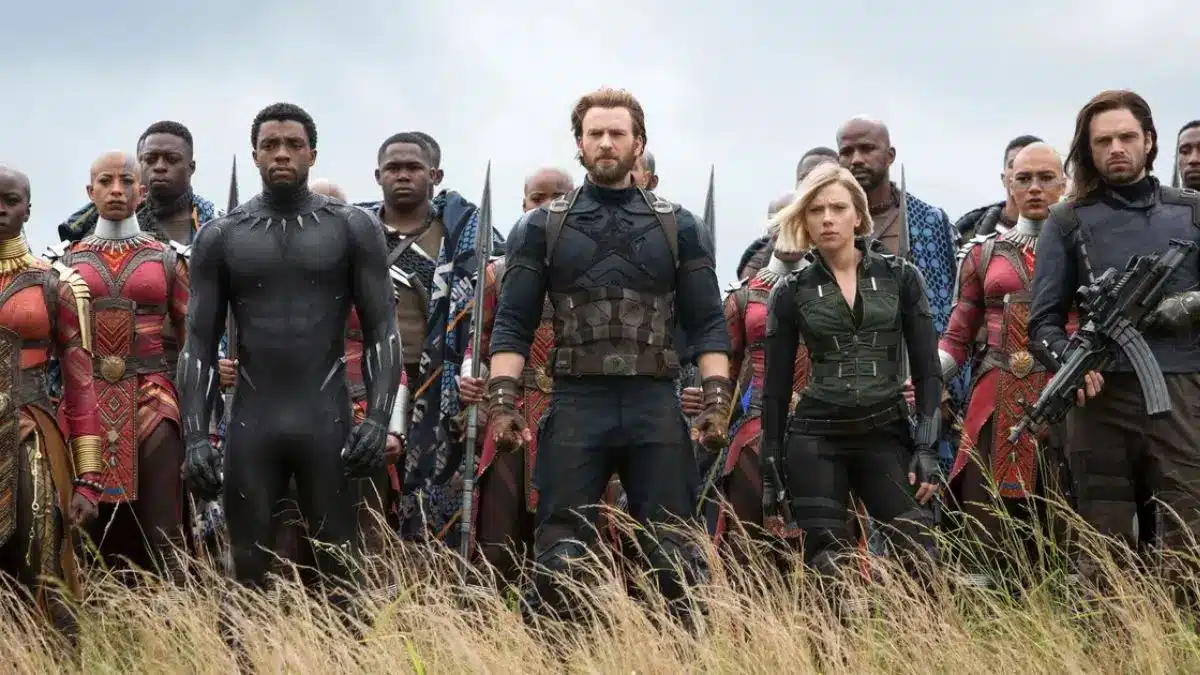
Comics, particularly superhero ones, have dominated Hollywood. Marvel’s Cinematic Universe (MCU) and DC’s films have brought characters like Iron Man and Wonder Woman into the global spotlight. While traditional comics face declining sales, their cinematic adaptations have kept them culturally relevant.
Also Read: The Rise of LGBTQ+ Representation in Comics