

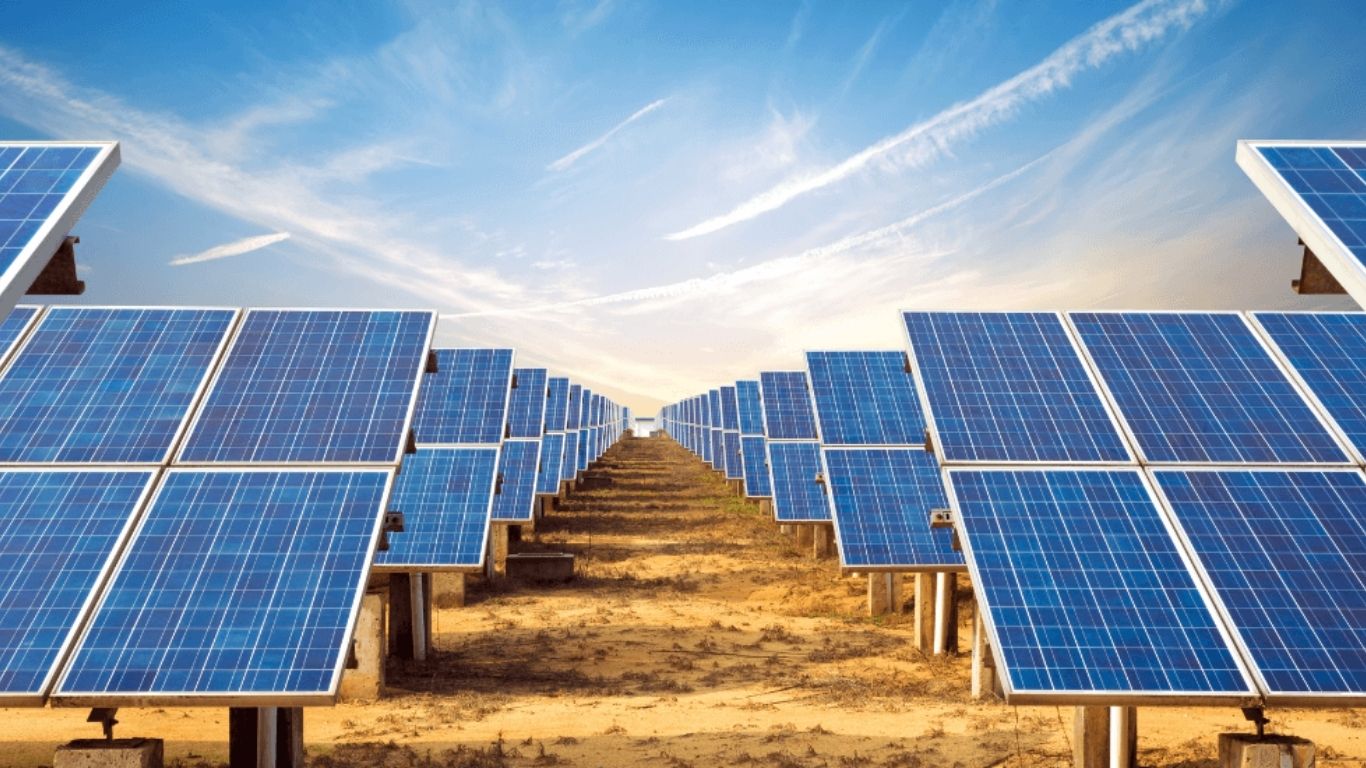
Solar panels are often described as silent workers—once installed, they quietly sit on rooftops and fields, turning sunlight into usable electricity. But what actually happens between sunlight hitting a panel and your phone charging or lights turning on? The process is both elegant and surprisingly straightforward, rooted in basic physics and smart engineering. Let’s break it down step by step.
What Are Solar Panels Made Of?
At the heart of every solar panel are photovoltaic (PV) cells, usually made from silicon. Silicon is a semiconductor, meaning it can conduct electricity under certain conditions—perfect for solar power generation.
Each solar panel contains dozens of these PV cells sandwiched between protective layers of glass and backing material. Individually, a single cell doesn’t produce much power, but together they form a system capable of running homes, offices, and even entire power plants.
The Role of Sunlight: Photons at Work
Sunlight may feel warm and intangible, but it’s actually made up of tiny energy packets called photons. When sunlight hits a solar panel, these photons collide with the silicon atoms inside the PV cells.
This collision is where the magic begins.
The energy from the photons knocks electrons loose from their atoms. Once freed, these electrons are ready to move—and moving electrons are the foundation of electricity.
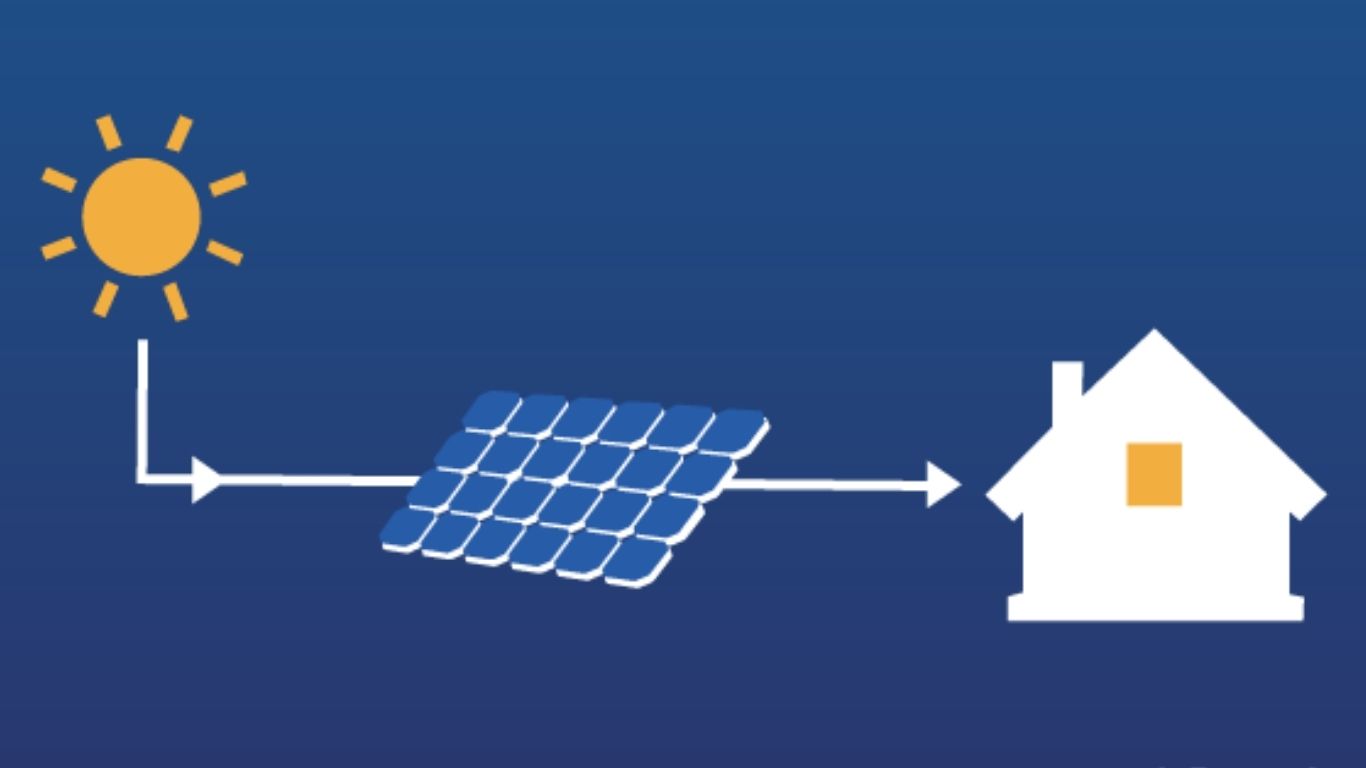
How the Photovoltaic Effect Creates Electricity
Solar panels work because of something known as the photovoltaic effect.
Inside each PV cell, silicon is treated to create two layers:
- A negatively charged layer (extra electrons)
- A positively charged layer (missing electrons)
When sunlight frees electrons, this built-in electric field pushes them in a single direction. This flow of electrons creates direct current (DC) electricity.
Think of it like a slide at a playground: once electrons are nudged to the top by sunlight, gravity (the electric field) ensures they slide in the right direction.
From DC to AC: Making Power Usable at Home
Here’s the catch: homes and appliances don’t run on DC electricity. They use alternating current (AC).
This is where the solar inverter comes in.
The inverter takes the DC electricity produced by the solar panels and converts it into AC electricity that your home can actually use. Without this step, solar energy would stay trapped in an unusable form.
Modern inverters also monitor performance, detect faults, and improve efficiency—making them the brain of the entire solar system.
Powering Your Home and the Grid
Once converted to AC electricity, solar power flows into your home’s electrical panel, just like power from the grid.
- If your solar panels produce more electricity than you use, the excess can be sent back to the grid.
- If they produce less, your home automatically draws power from the grid to make up the difference.
This two-way relationship is often tracked through net metering, where you receive credits for surplus energy sent back to the grid.
What Happens at Night or on Cloudy Days?
Solar panels don’t generate electricity at night, and their output drops on cloudy days—but that doesn’t mean your power goes out.
There are two common solutions:
- Grid-connected systems, which pull electricity from the grid when solar production is low
- Solar battery storage, which stores excess energy produced during the day for later use
Batteries are becoming increasingly popular as prices fall and homeowners seek greater energy independence.
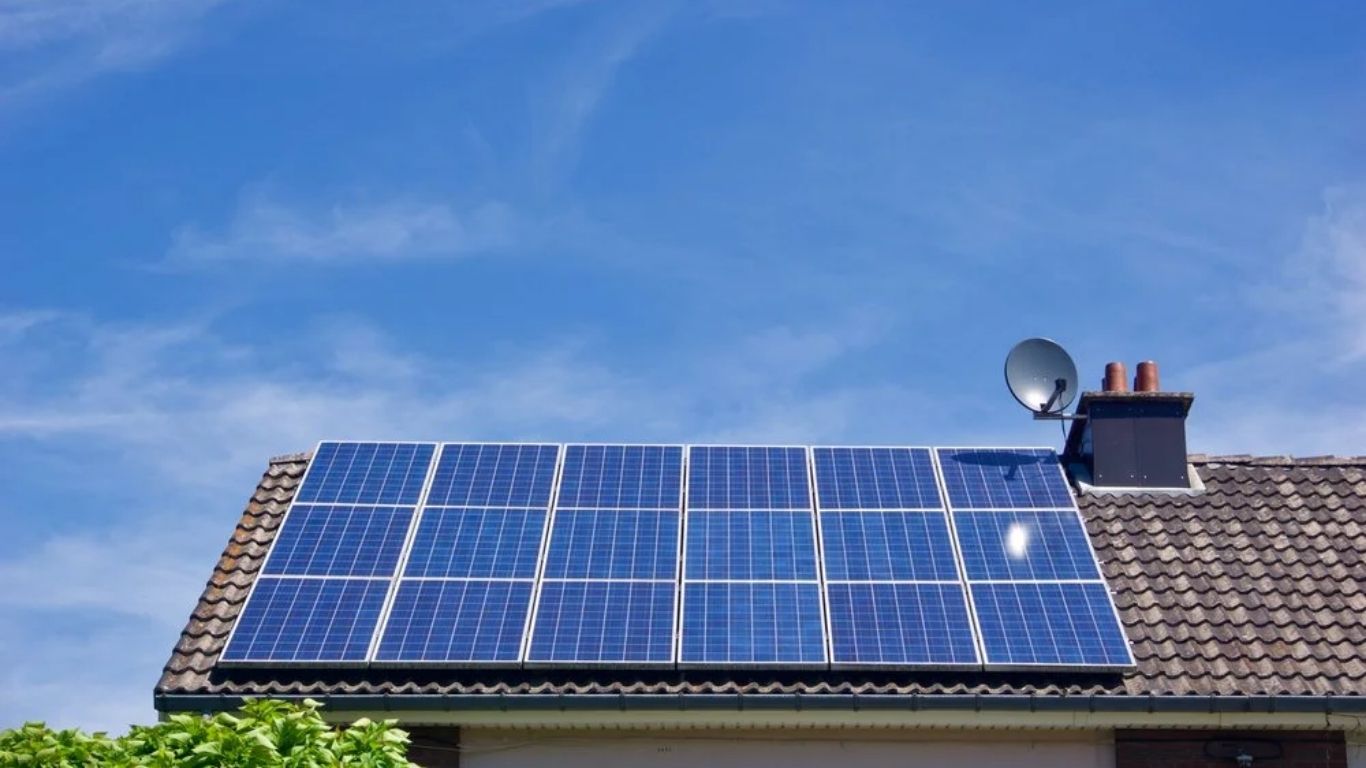
Why Solar Panels Are More Efficient Than Ever
Early solar panels were bulky and inefficient. Today’s panels are far more advanced, thanks to:
- Improved silicon cell designs
- Anti-reflective coatings
- Better inverters and tracking systems
Some modern panels can convert over 20% of sunlight into electricity, a figure that continues to improve with ongoing research.
The Bigger Picture: Clean Energy from a Simple Process
At its core, solar power generation is about letting nature do the work. No moving parts. No fuel burning. Just sunlight, silicon, and smart design.
By converting free, abundant sunlight into electricity, solar panels reduce dependence on fossil fuels, lower electricity bills, and cut carbon emissions—one rooftop at a time.
As technology improves and adoption grows, solar panels are no longer a futuristic concept. They’re a practical, proven solution already reshaping how the world generates power.