
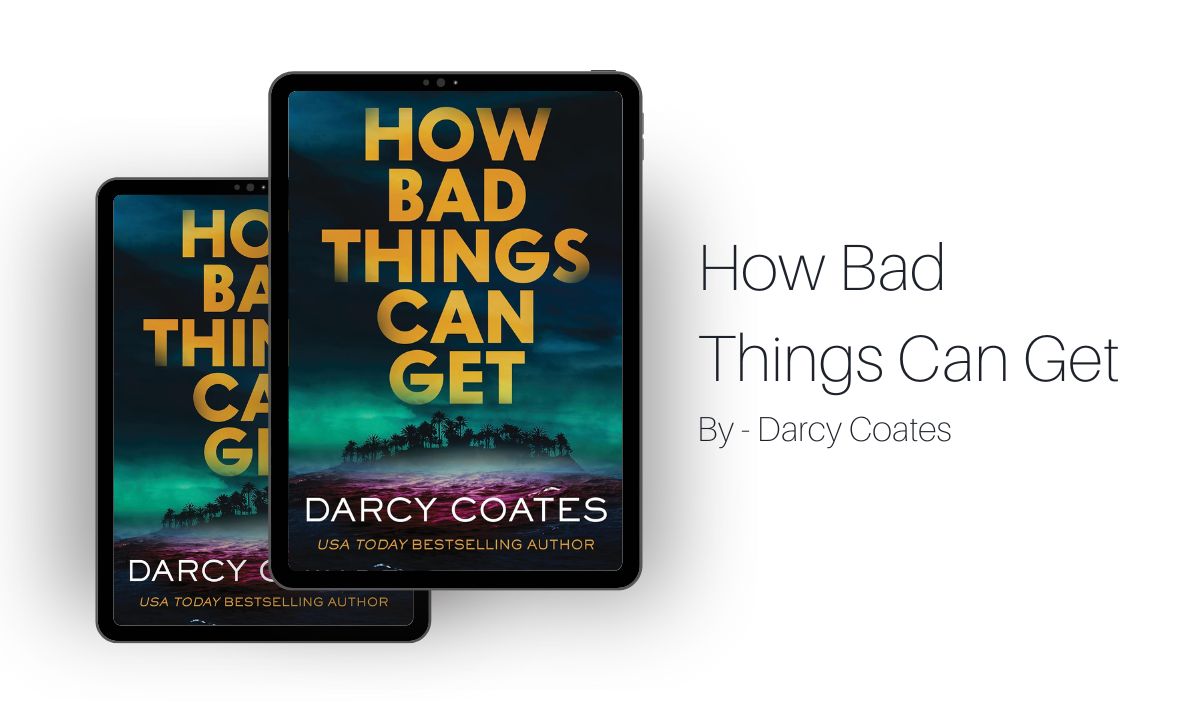
Darcy Coates is a dependable name in modern horror: she writes with an appetite for atmosphere, a fondness for claustrophobic settings, and a willingness to let scenes linger until they unsettle you. How Bad Things Can Get follows that pattern while pushing harder into gore and cult-inflected terror than some of her earlier work. The book is equal parts suspense and shock — it comforts you with familiar horror beats, then nudges you off-balance with escalating violence and a finale that refuses to be tidy. Below I unpack the plot, the characters, the themes Coates leans into, and what works (and what doesn’t) in this particular novel.
Plot summary (no spoilers)
Ruth is the lone survivor of a violent cult in her past, and she’s spent years trying to keep low and stay anonymous. The novel reintroduces her into a public eye she hoped to avoid when she becomes connected to an influencer-hosted festival on a remote island — a glittery event that, on paper, promises spectacle and community but in practice slides toward exploitation and danger. The central setup soon becomes a pressure cooker: the island isolates the characters, the event amplifies their worst impulses, and past traumas collide with present obsessions. Tensions that simmer through the first two acts finally boil over into a bloody, high-stakes third act that leans hard on body horror and sustained dread.
Characters & voice
Coates’s strength has always been in rendering a sympathetic central viewpoint, and Ruth is written with enough interior detail that her trauma feels tethered to human reactions rather than being a plot convenience. She’s cautious, haunted, and practical — a survivor who is not a blank slate. The supporting cast, by contrast, is a mixed bag: the festival-goers and influencer-types are drawn with broad, recognizable strokes (the brash host, the earnest documentarian, the thrill-seekers), which keeps the plot moving but sometimes sacrifices nuance. Several reviewers noticed that secondary characters don’t always get the development they deserve, meaning emotional payoffs for their arcs can feel rushed or thin when the novel pivots to violence. That unevenness in character depth is one of the book’s recurring critiques.
Pacing, structure, and how suspense is built
If you’re coming for a slow-burn psychological puzzle, temper expectations: Coates chooses momentum over meticulous unraveling. The middle section stretches the build of paranoia and hints, which some readers found indulgent, and others interpreted as necessary mood-setting. The payoff is kinetic: the final act doesn’t dawdle, doling out shocks and confrontations that many readers described as viscerally effective. That said, several reviewers pointed out that the pacing can feel uneven — extended exposition and character setup early on followed by a rapid sprint through the climax. If you prefer even pacing and tightly balanced secondary arcs, that unevenness may frustrate you; if you read for escalating tension and set-piece horrors, you’ll likely be satisfied.
Themes and tone — beyond jump scares
Under the carnage, Coates is asking a few questions about spectacle culture and how modern audiences consume tragedy. The festival and its social-media spectacle serve as a mirror for contemporary appetite: the drive to witness, commodify, and profit from extremes. Several reviewers noted that the book functions as a critique of the true-crime industrial complex and influencer culture — how curiosity can lurch into exploitation, and how those dynamics can re-traumatize survivors for the sake of clicks. Thematically, the novel sits at the intersection of survivor story and cultural indictment, even if at times the social critique reads more like an added spice than the main course.
Atmosphere, imagery, and the book’s limits
Coates is unafraid of graphic detail. The book leans into body horror and explicit scenes that are meant to shock and unsettle; if you have a weak stomach, prepare accordingly. For readers who appreciate descriptive, sensory horror — the kind that lingers in the head after you close the book — Coates delivers. However, the very vividness that elevates many scenes also divides readers: some praise the authenticity of the fear and disgust she can conjure, while others felt the gore overshadowed psychological complexity. There’s also the question of originality: the book draws on familiar cult and festival tropes (Jonestown-like echoes, isolation, charismatic manipulators), and while Coates blends them with contemporary elements effectively, the core mechanics will feel familiar to genre veterans.
What works best — and who should read this
If you enjoy horror that is unflinching — that relishes atmosphere and escalates into unabashed mayhem — this novel will deliver. Coates’s ability to sustain dread, craft a sympathetic protagonist, and stage brutal set pieces is the book’s major strength. Fans of modern slasher-style horror, or of novels that interrogate the ethics of voyeurism and entertainment, will find a lot to chew on here. The book’s immediacy and final act make it a page-turner for readers who value momentum and visceral payoff.
Caveats & the final verdict
How Bad Things Can Get isn’t perfect. The supporting cast sometimes serves as backdrop rather than co-conspirators in the story’s emotional stakes; pacing stretches and compresses in ways that will annoy some readers; and the graphic content will deter anyone who prefers dread delivered with restraint. But if you come prepared for a brutal, topical, and fast-moving horror novel, Darcy Coates has produced a memorable entry that captures her hallmarks while experimenting with influencer-era anxieties. For me, the book’s conclusion — messy, loud, and unapologetic — is precisely the kind of finish that earns it a place on a late-night horror reading list.