

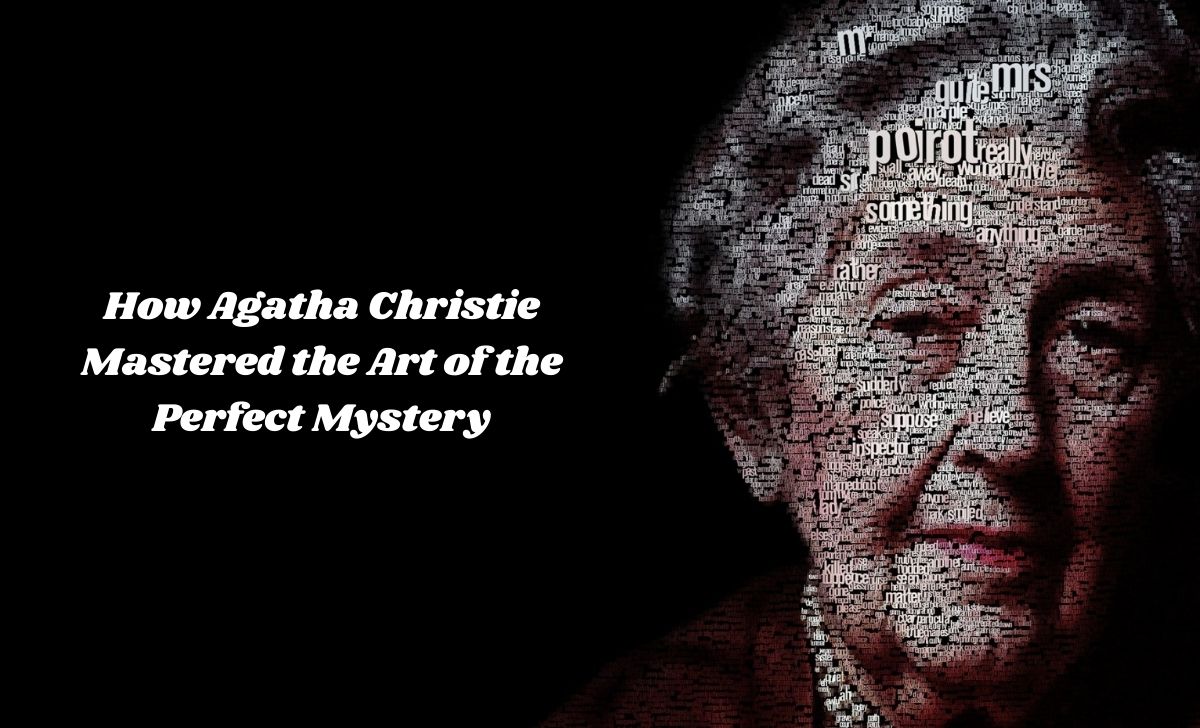
Agatha Christie is a name that needs no introduction. Known as the best-selling novelist of all time, she redefined the mystery genre with nearly 100 novels, creating puzzles so clever that even the sharpest readers struggled to solve them. Yet, her journey to literary greatness began with a challenge—a bet from her sister that would change her life forever. Lets understand How Agatha Christie Mastered the Art of the Perfect Mystery.
A Bet That Sparked a Legend
In 1916, Christie wasn’t the star writer of her family. That title belonged to her sister Madge, who had already written several short stories. When Agatha shared her dream of writing a detective novel, Madge scoffed. She even wagered that Agatha couldn’t write a mystery compelling enough to stump her. Determined to prove her wrong, Agatha picked up her pen—and the rest is history. The novel born from that sibling rivalry laid the foundation for a career that would captivate readers for decades.
Why Settings Made All the Difference
One of Christie’s greatest storytelling strengths was how she designed her settings. She didn’t place her mysteries in sprawling cities but instead trapped her characters in tight, isolated environments—a remote island, a country manor cut off by a storm, or even a snow-stalled train. These claustrophobic settings did more than create tension; they limited suspects, forced interactions, and heightened the paranoia. With nowhere to run, every glance, every whisper, and every alibi mattered. Readers felt just as trapped as the characters, which made the hunt for the killer even more gripping.
Simple Characters with Hidden Depths
Christie’s characters often drew criticism for being “flat” or two-dimensional. But this wasn’t a weakness—it was a deliberate strategy. By assigning her characters simple, recognizable traits, she allowed readers to quickly sort suspects into neat categories. A fussy colonel, a nosy maid, a charming doctor—each seemed predictable. Yet Christie’s brilliance lay in flipping those expectations. The character you dismissed as harmless often turned out to be the one hiding the darkest secret.
Of course, her reliance on stereotypes—especially those tied to occupations or ethnicities—hasn’t aged well. These caricatures reflected the prejudices of her era, and modern writers wisely avoid such portrayals. But her technique of using reader assumptions against them remains a powerful lesson in misdirection.
Observing Life to Create Fiction
Christie’s authenticity came from her sharp eye for detail. She was an avid observer of human behavior, jotting down snippets of conversation she overheard in trains, hotels, and restaurants. These observations became the raw materials of her stories. She often reshuffled details, switched motives, or even changed the identity of the murderer halfway through writing. This flexibility kept her plots unpredictable and ensured that even seasoned mystery lovers stayed off balance.

The Fine Line Between Clever and Confusing
Writing mysteries isn’t just about hiding clues; it’s about revealing them in a way that feels fair. A predictable story frustrates readers, but one that’s too convoluted risks losing them entirely. Christie struck this balance with her clear, accessible writing style. Her prose was straightforward, her dialogue crisp, and her clues easy to remember—but not easy to interpret.
Take, for instance, the clue of a man complaining, “Everything tastes foul today.” Readers might assume his final drink was poisoned. But Christie’s real trick was subtler: if everything tasted off, he had already been poisoned earlier. The clue was right in front of the reader—they just didn’t look closely enough.
Mastering the Art of Misdirection
Few writers have used misdirection as skillfully as Christie. She often led readers to believe one suspect was guilty by planting clues that later turned out to be red herrings. In some cases, she wove deception directly into the story’s structure. One of her most famous twists involves a narrator who not only reports on the crime but is later revealed to be the killer. This kind of narrative daring left readers stunned and cemented her reputation as the queen of surprise endings.
The Outsider Detectives Who Stole Hearts
No Christie mystery would be complete without a brilliant detective. Her most famous creations—Hercule Poirot and Miss Marple—were far from traditional heroes. Poirot, the meticulous Belgian refugee with a love of order, and Marple, the seemingly harmless elderly woman with razor-sharp instincts, both used their outsider status to their advantage. Suspects underestimated them, letting their guard down, only to be caught in their own lies. These detectives were not just problem-solvers—they were symbols of how intelligence and observation could outwit arrogance and deceit.
The Lasting Blueprint of a Mystery Queen
Christie’s success wasn’t just luck or timing. She developed a formula built on sharp settings, simplified yet deceptive characters, clever misdirection, and detectives who thrived on being underestimated. She won her sister’s bet, and in doing so, created a legacy that continues to inspire readers and writers alike.
Her mysteries remind us that the thrill of the genre doesn’t come from action-packed chases or violent confrontations—it comes from the quiet unraveling of secrets, the tension of suspicion, and the satisfaction of realizing the answer was there all along.