
John Walker, known in the comic book world as the U.S. Agent, is a complex and compelling character with a rich history within Marvel Comics. This article explores the History of U.S. Agent in Marvel Comics, delving into his comic origins, evolution, major story arcs, powers, and recommended reading to provide a detailed understanding of this multifaceted hero.
Origin and Early Years
John Walker first appeared in the pages of Captain America #323 in 1986 as Super Patriot, created by Mark Gruenwald and Paul Neary. Inspired by his older brother Michael, a Vietnam War hero who was tragically killed, Walker idolized him and sought to follow in his footsteps by joining the military. Despite his service, John felt overshadowed, never quite achieving the heroic stature of his brother.
While in the army, Walker forged close ties with friends Lamar Hoskins, Hector Linux, and Jerome Johnson. Their lives changed forever upon meeting the Power Broker (Curtis Jackson), a figure who specialized in granting superhuman abilities to individuals. Eager to become a hero, Walker agreed to undergo enhancement treatments increasing his physical strength to superhuman levels. This led him and his friends to participate in the Unlimited Class Wrestling Federation, a superpowered wrestling organization operated by the Power Broker.
The Rise of Super Patriot and Rival to Captain America
Although John Walker gained strength, his original ambition was not to be a wrestler but a true hero. With encouragement from his agent Ethan Thurm, he adopted the superhero identity of Super Patriot, proclaiming himself the champion of America’s true ideals. However, his methods were controversial. Walker positioned himself as a rival to Captain America, publicly criticizing Cap’s approach and staging attacks through his sidekicks, the Bold Urban Commandos—Lamar, Hector, and Jerome—to elevate his own image.
Despite his quest to justly represent America’s ideals, Walker’s actions were often harsh and misguided. He did little that resembled genuine heroism, such as helping the vulnerable, and instead focused on undermining Captain America. His conflict with Cap was less about justice and more about proving himself as superior.
Becoming Captain America
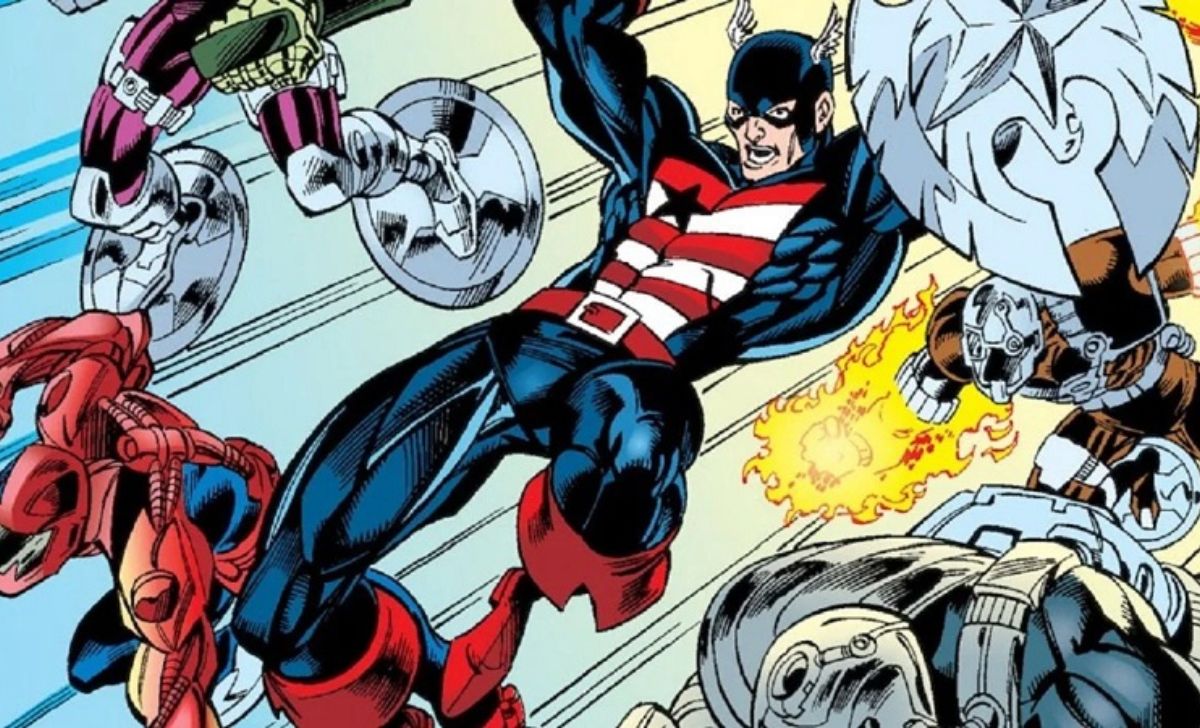
John Walker’s transition to Captain America occurred in a critical narrative turning point in Captain America #332. Steve Rogers, the original Cap, renounced the mantle, handing his shield and identity over to the U.S. government. Rogers believed that being Captain America required sacrificing personal freedom and compromising one’s ideals to obey governmental orders—something he was unwilling to do. He felt he embodied the American Dream itself, representing the freedom to achieve one’s potential rather than the government’s agenda.
Tasked with filling Cap’s boots, Walker became the new Captain America. He adopted a more heroic stance but still maintained a ruthless streak. A tragic turning point came when terrorists killed his parents, a personal loss that pushed him toward a darker, more brooding path. Eventually, Walker teamed up with Steve Rogers (now under the alias “The Captain”) to defeat the Red Skull and reconcile their differences.
Transformation into U.S. Agent
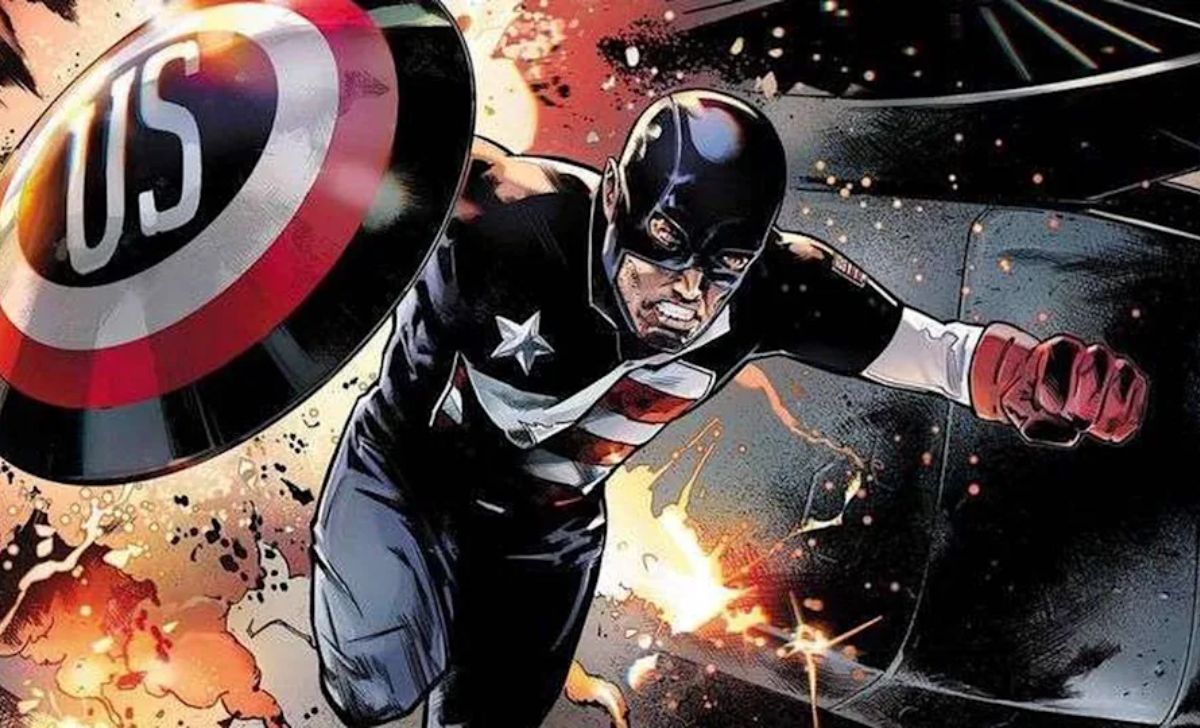
Following this victory, the Commission of Superhuman Activities faked Walker’s death, allowing Rogers to resume the Captain America identity. Altered mentally and physically by the Commission, Walker was reborn as the U.S. Agent. His new costume retained the iconic look of Captain America but featured a black and red color scheme signifying his new role as the government’s operant rather than a symbol of idealistic freedom.
As U.S. Agent, Walker forged his own heroic path, gradually proving himself a formidable and complex figure distinct from his predecessor.
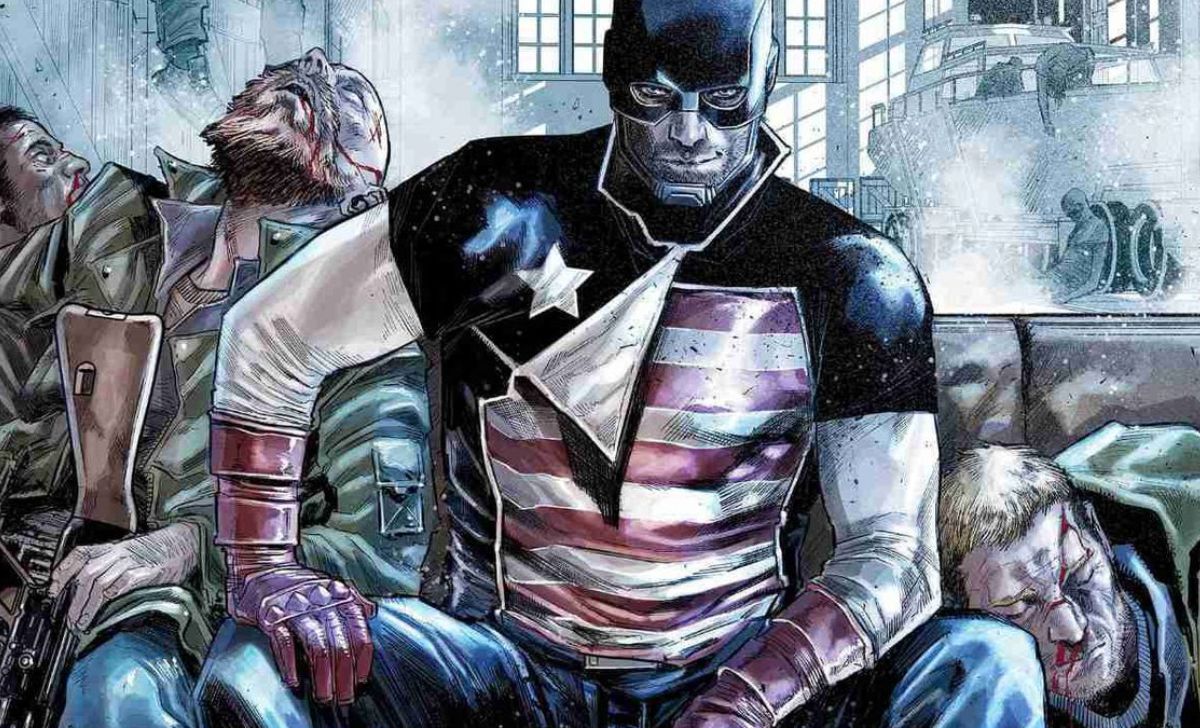
Major Story Arcs and Comic Appearances
Walker’s comic journey is marked by several notable storylines and team affiliations. His initial role as Super Patriot laid the groundwork for later developments. As U.S. Agent, his first significant mission involved fighting Iron Monger, a test set by the Commission to prove his strength.
He became a member of the West Coast Avengers, where his brash and aggressive personality often put him at odds with his teammates. A highlight was an intense confrontation with Hawkeye that ended with Walker victorious but admonished for his attitude by Iron Man. Walker’s struggles with his temper culminated in an incident where he nearly killed Julia Carpenter (Spider-Woman) before choosing restraint.
Walker continued to work with various superhero groups such as Force Works, a Tony Stark-led team, though he initially resisted joining. With persuasion from Scarlet Witch, who valued his strength and dedication, he became a member, receiving a new costume and energy shield from Stark.
Beyond team affiliations, Walker starred in a 1993 four-issue mini-series where he went undercover to dismantle the murderous Scourge organization, showcasing his uncompromising approach to justice. In 2001, he was the leader of the Superhuman Tactical Activities Response Squad in another mini-series, hunting superhuman criminals nationwide with a distinct, Judge Dredd-like costume.
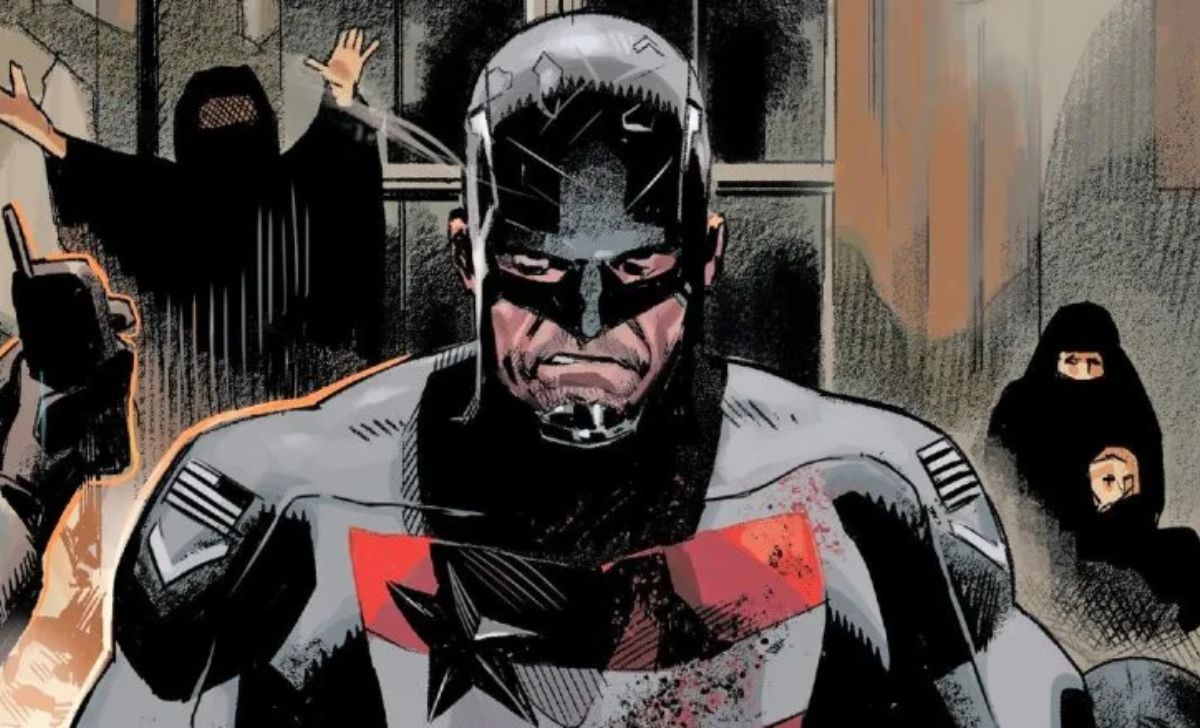
Walker’s presence in major events like “Dark Avengers,” “Civil War 2,” and “Secret Empire,” albeit often in supporting roles, highlights his enduring relevance. Recently, his 2025 mini-series reveals a more independent U.S. Agent, stripped of official status and now working as a government contractor protecting covert interests.
Powers and Abilities
John Walker’s abilities closely mirror those of Steve Rogers, but he is notably stronger. While not as powerful as Hulk, Walker’s strength outmatches Cap’s to levels comparable with Spider-Man’s raw power, though this has fluctuated based on different writers’ interpretations over the years.
Walker’s combat skills are top-tier; trained in Captain America’s fighting style by Taskmaster, he is a master hand-to-hand combatant with Olympic-level gymnastics and superhuman endurance. His military background equips him with extensive tactical and strategic knowledge. Like Captain America, he wields a vibranium shield with exceptional accuracy and power.
Though often portrayed as a harsher, more aggressive hero, the U.S. Agent balances his formidable strength with a strong sense of discipline and dedication to his missions.
Recommended Reading
To explore John Walker’s story further, several comic runs are essential:
- U.S. Agent Mini-series (2025): Walker’s current endeavors as an independent government agent.
- Avengers West Coast: His team dynamics and battles, including fights with the Punisher and involvement in the Infinity War event.
- Along Came a Spider-Woman: Featuring interactions with notable heroes.
- Legacy of Captain America: Exploration of Cap’s mantle and Walker’s role.
- U.S. Agent Mini-series (1993): An undercover mission against the Scourge organization.