
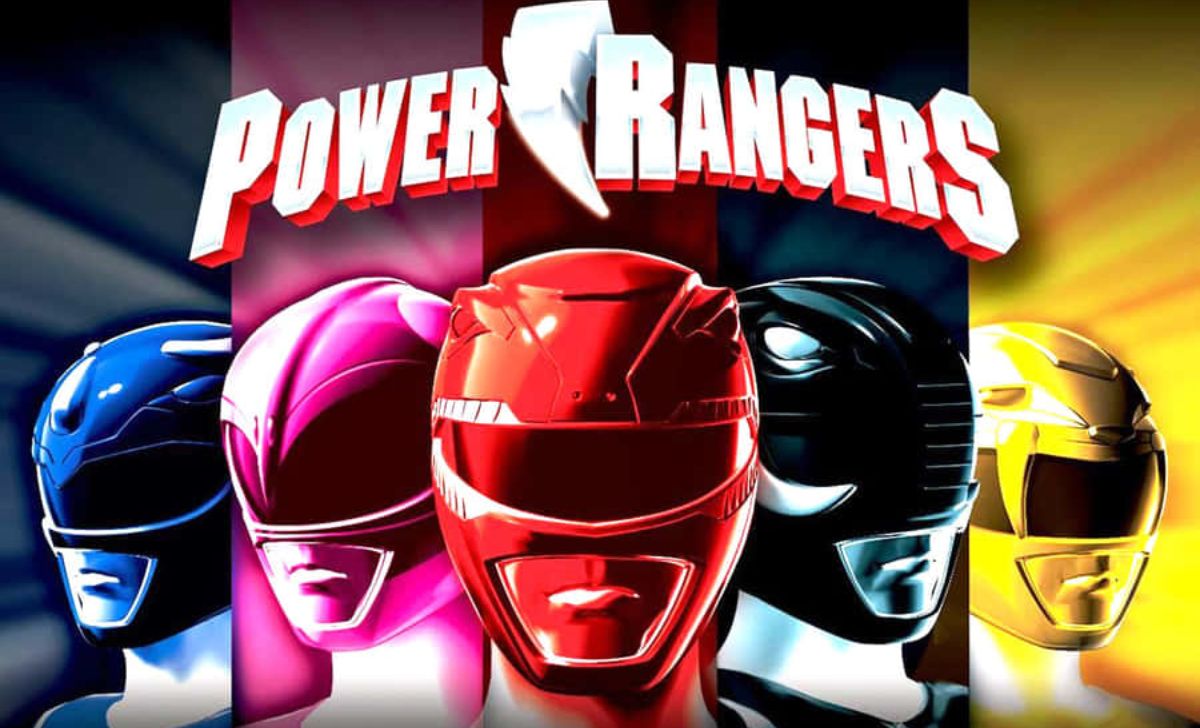
Few pop culture phenomena have captured the imaginations of kids across generations quite like the Power Rangers. Flashy costumes, colossal robots, catchy morphing calls — this franchise has remained a cornerstone of childhood nostalgia since its explosive debut. While its roots lie in Japan’s long-running Super Sentai series, the Power Rangers quickly evolved into its own distinct and beloved brand. Let’s journey through the full history of the Power Rangers — from their 1993 beginnings to their many transformations over the decades.
The Birth of the Power Rangers (1993)
The Power Rangers first appeared on American TV screens on August 28, 1993, with the launch of Mighty Morphin Power Rangers. Produced and distributed by Saban Entertainment, this series wasn’t created from scratch. Instead, it was an American adaptation of Japan’s Super Sentai franchise.
Here’s how it worked: all the scenes featuring the Rangers in their suits — fighting monsters, piloting robots — were directly lifted from Super Sentai footage and dubbed into English. American producers then filmed new footage with a cast of American teenagers for all the out-of-costume moments.
This clever hybrid approach allowed Saban to stretch budgets and build a whole new story using existing action sequences. It also explains quirks like why the Yellow Ranger didn’t have a skirt while the Pink Ranger did — because in the Japanese version, the Yellow Ranger was originally male.
The timing of Power Rangers’ debut was perfect. It became one of the flagship shows on the Fox Kids block, airing alongside beloved ’90s hits like Batman: The Animated Series, Spider-Man, X-Men, Tiny Toon Adventures, and Goosebumps. Within months, Power Rangers had become a cultural sensation.
The Premise: Teenagers With Attitude
At the heart of nearly every Power Rangers series lies the same core formula:
- A group of ordinary teenagers are chosen by a wise mentor.
- They are granted powers and high-tech morphers.
- They transform into colorful superheroes to battle villains like aliens, demons, witches, or robots.
They each pilot massive mechanical robots called Zords, which can combine into an even more powerful Megazord to defeat towering monsters.
This formula proved endlessly flexible, allowing the show to reinvent itself with new casts and themes each season while retaining its basic spirit.

The Original Mighty Morphin Team
The original team of Mighty Morphin Power Rangers was assembled by the wise galactic sage Zordon and his robot assistant Alpha 5 when the evil sorceress Rita Repulsa was released from her space dumpster prison and set her sights on conquering Earth.
Zordon famously sought out “five teenagers with attitude” from the fictional city of Angel Grove:
- Jason Lee Scott – Red Ranger, wielding the Power Sword and piloting the Tyrannosaurus Dinozord.
- Zack Taylor – Black Ranger, using the Power Axe and piloting the Mastodon Dinozord.
- Billy Cranston – Blue Ranger, armed with the Power Lance and piloting the Triceratops Dinozord.
- Kimberly Hart – Pink Ranger, using the Power Bow and piloting the Pterodactyl Dinozord.
- Trini Kwan – Yellow Ranger, armed with the Power Daggers and piloting the Saber-Toothed Tiger Dinozord.
These Zords could combine to form the Megazord, their ultimate weapon against Rita’s giant monsters.
Each Ranger also had a Blade Blaster sidearm and a wrist communicator (basically a futuristic smartwatch decades before they existed). When trouble struck, they would activate their morphers and shout their iconic call: “It’s Morphin Time!”
Tommy Oliver: The Legendary Sixth Ranger
No history of the Power Rangers is complete without Tommy Oliver, arguably the most beloved Ranger in the franchise.
Tommy debuted as the Green Ranger, originally a villain brainwashed by Rita. With his Dragon Dagger, he could summon the mighty Dragonzord from the sea. His unique gold chest shield made him stand out visually, and his redemption arc cemented him as a fan favorite.
After his Green Ranger powers faded, Zordon gave him new powers, making him the White Ranger. Now armed with the talking sword Saba and piloting the fierce Tigerzord, Tommy became the team’s new leader. His charisma and cool factor helped keep the show’s popularity soaring.
Even decades later, Tommy remains an icon of the Power Rangers legacy.
The Villains of Mighty Morphin
The villains of the original series were as colorful as the heroes:
- Rita Repulsa – An intergalactic sorceress obsessed with conquering worlds, starting with Earth. She would send down bizarre monsters and then magically enlarge them with her wand.
- Lord Zedd – Introduced later as Rita’s scarier, skinless-looking overlord, wrapped in metallic muscle-like armor.
- Goldar – A fierce warrior who looked like a winged golden ape in heavy armor, serving as Rita’s main enforcer.
- Putty Patrol – Endless grey clay-like foot soldiers who weren’t very strong individually but attacked in overwhelming numbers.
These villains became iconic parts of ’90s pop culture, balancing campy humor with genuine menace for younger viewers.

Zordon and Alpha 5: The Guiding Lights
Zordon, trapped in a time warp and appearing only as a giant floating head in a glass tube, served as the Rangers’ mentor. He embodied wisdom and morality, always pushing his Rangers to use their powers responsibly.
Alpha 5, his neurotic yet lovable robot assistant, provided comic relief and support. Known for his signature exclamation “Ay-yi-yi-yi-yi!” whenever things went wrong, Alpha 5 became a nostalgic favorite among fans.
From Saban to Disney and Back Again
Behind the scenes, the Power Rangers franchise underwent major ownership changes that shaped its future.
- From 1993 to 2001, Power Rangers was owned and produced by Saban Entertainment.
- In 2001, during early production of Power Rangers Wild Force, Saban sold the franchise to The Walt Disney Company.
- Under Disney, the show aired on Disney-owned networks like ABC Family and Jetix, and the characters even made appearances in Disney theme parks.
- In 2010, Saban bought the rights back from Disney.
- Since then, Power Rangers has aired primarily on Nickelodeon, continuing to reinvent itself for new generations.
The Many Generations of Power Rangers
One of the reasons Power Rangers has stayed alive for so long is its ability to evolve. While the core formula stays intact, each new series brings new costumes, Zords, villains, and storylines.
Here’s a chronological list of every main Power Rangers series to date:
- Mighty Morphin Power Rangers (1993–1996)
- Mighty Morphin Alien Rangers (1996)
- Power Rangers Zeo (1996)
- Power Rangers Turbo (1997)
- Power Rangers in Space (1998)
- Power Rangers Lost Galaxy (1999)
- Power Rangers Lightspeed Rescue (2000)
- Power Rangers Time Force (2001)
- Power Rangers Wild Force (2002)
- Power Rangers Ninja Storm (2003)
- Power Rangers Dino Thunder (2004)
- Power Rangers SPD (2005)
- Power Rangers Mystic Force (2006)
- Power Rangers Operation Overdrive (2007)
- Power Rangers Jungle Fury (2008)
- Power Rangers RPM (2009)
- Power Rangers Samurai (2011)
- Power Rangers Super Samurai (2012)
- Power Rangers Megaforce (2013)
- Power Rangers Super Megaforce (2014)
- Power Rangers Dino Charge (2015)
- Power Rangers Dino Super Charge (2016)
- Power Rangers Ninja Steel (2017)
- Power Rangers Super Ninja Steel (2018)
- Power Rangers Beast Morphers (2019)
- Power Rangers Dino Fury (2021)
- Power Rangers Cosmic Fury (2023)
Each new season keeps the franchise fresh while honoring its long legacy.
Movies, Comics, and Expanded Media
Beyond TV, the Power Rangers have branched into other media:
- Movies – Mighty Morphin Power Rangers: The Movie (1995) and Turbo: A Power Rangers Movie (1997) brought the Rangers to the big screen, while the Power Rangers reboot film released in 2017 attempted to modernize the franchise.
- Comics – Publisher BOOM! Studios produces an acclaimed ongoing Power Rangers comic series, delving deeper into the lore and exploring darker storylines. There’s even a Justice League/Power Rangers crossover comic.
- Merchandise – From action figures to costumes to video games, the franchise has remained a merchandising juggernaut since the ’90s.
This expanded presence has kept the Power Rangers in the public eye long after the original series ended.

Why the Power Rangers Endure
The Power Rangers’ longevity boils down to more than nostalgia. Its themes of teamwork, responsibility, and friendship resonate with kids everywhere. The constantly changing cast keeps it fresh, while the iconic elements — morphing sequences, Zords, colorful suits — provide comforting familiarity.
Generations have grown up with different teams of Rangers, yet they all share the same heroic spirit. Whether it’s Jason leading the original team, Tommy summoning the Dragonzord, or new heroes in Cosmic Fury piloting futuristic Zords, the message is the same: ordinary people can do extraordinary things when they work together.
Final Thoughts
From its scrappy beginnings as a dubbed-and-spliced adaptation to its status as a global multimedia franchise, Power Rangers has built an unparalleled legacy. It’s outlasted countless other ’90s shows and continues to inspire new fans over 30 years later.
So the next time you hear “It’s Morphin Time!” and see five heroes strike their poses, remember — you’re witnessing the enduring spirit of a franchise that has stood the test of time, generation after generation.
Go Go Power Rangers!