
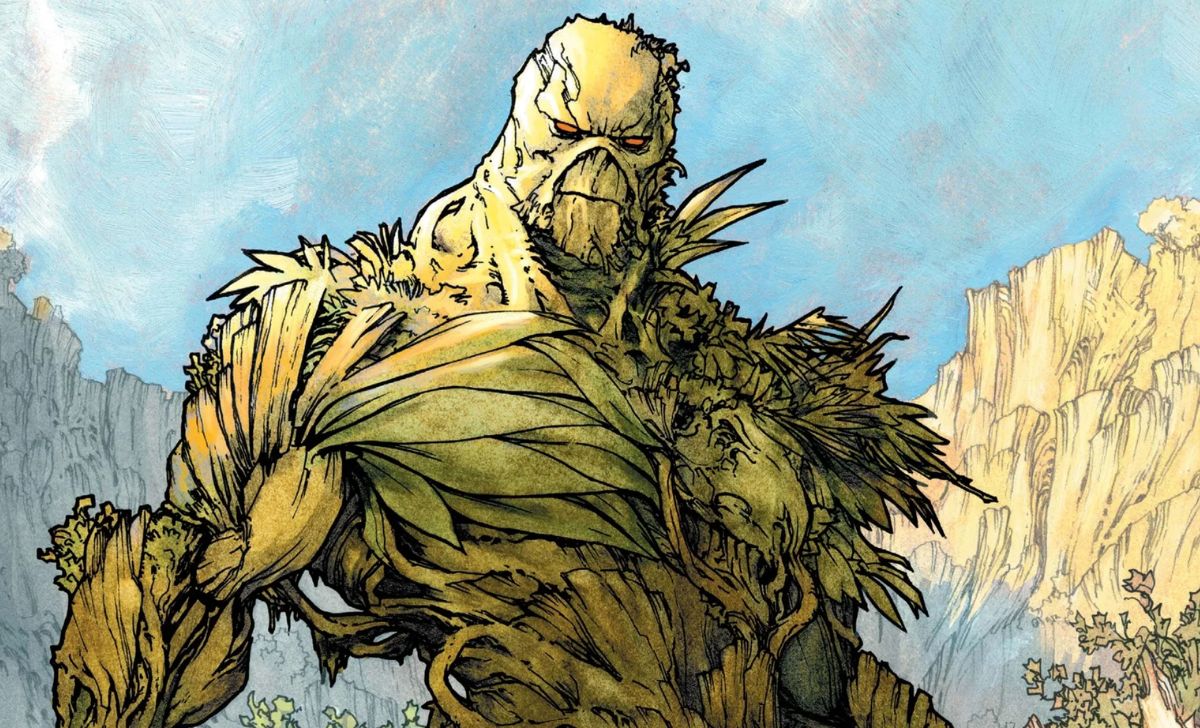
Among DC Comics’ most haunting and thought-provoking characters stands Swamp Thing—a creature that blurs the line between man, monster, and elemental force. Since his first appearance in 1971, this avatar of the Green has become one of the most recognizable and compelling figures in the comic book world. Created by writer Len Wein and artist Bernie Wrightson, the history of Swamp Thing in DC Comics has been an extraordinary journey—from horror fiction to philosophical masterpiece.
Over the decades, the character has evolved through various interpretations, retcons, and creative visions. Yet, through it all, Swamp Thing remains a reflection of ecological balance, humanity’s connection to nature, and the tragedy of identity and transformation.
The Birth of a Monster: Alex Olson’s Tragic Origin
The first incarnation of Swamp Thing debuted in House of Secrets #92 (1971). His name was Alex Olson, a brilliant scientist living in the swamps of Louisiana during the early 1900s. Married to a woman named Linda, Alex had a promising life ahead until betrayal struck from within his closest circle.
Alex’s assistant and supposed friend, Damian Ridge, secretly harbored feelings for Linda. Envious and desperate, he sabotaged Alex’s experiments, causing a deadly explosion. Damian buried Alex’s wounded body in the swamp, hoping to erase all evidence of his crime. The combination of chemicals and minerals, however, gave rise to something unnatural: Alex was reborn as the first Swamp Thing.
Driven by human emotion yet trapped in a monstrous form, this Swamp Thing confronted Damian, saved Linda, and avenged his death. But when he tried to reach out to his wife, she screamed in terror. Heartbroken and voiceless, Alex retreated to the swamp—condemned to eternal sorrow and isolation .
Reinvention: Alec Holland and the Modern Swamp Thing
Swamp Thing’s popularity led DC to reimagine him as Alec Holland in 1972. This refreshed version became canon for decades. Alec, like Alex, was a scientist working in the Louisiana swamps, developing a bio-restorative formula to help end world hunger. When his lab exploded, his body was covered in experimental chemicals, and he ran into the swamp in flames.
From those waters rose the Swamp Thing we recognize today. His story initially mirrored Alex Olson’s tragedy—a man turned into a monster—but that interpretation would evolve dramatically over time .
Alan Moore’s Revolutionary Redefinition
In the early 1980s, Alan Moore revolutionized Swamp Thing’s mythology in The Saga of Swamp Thing. In his now-legendary issue “The Anatomy Lesson,” Moore unveiled a shocking truth: Alec Holland did not transform into Swamp Thing. Holland had died in the explosion. The creature that rose from the swamp was not Holland himself but a plant elemental that had absorbed his memories and consciousness.
This revelation redefined the hero entirely. Swamp Thing wasn’t a man who lost his humanity—he was a plant that believed it was human. This profound twist elevated the series from gothic horror to a philosophical exploration of identity and existence. Moore also introduced the concept of the Green, an elemental force connecting all vegetation on Earth. Swamp Thing thus became its avatar and guardian—a being representing life itself .
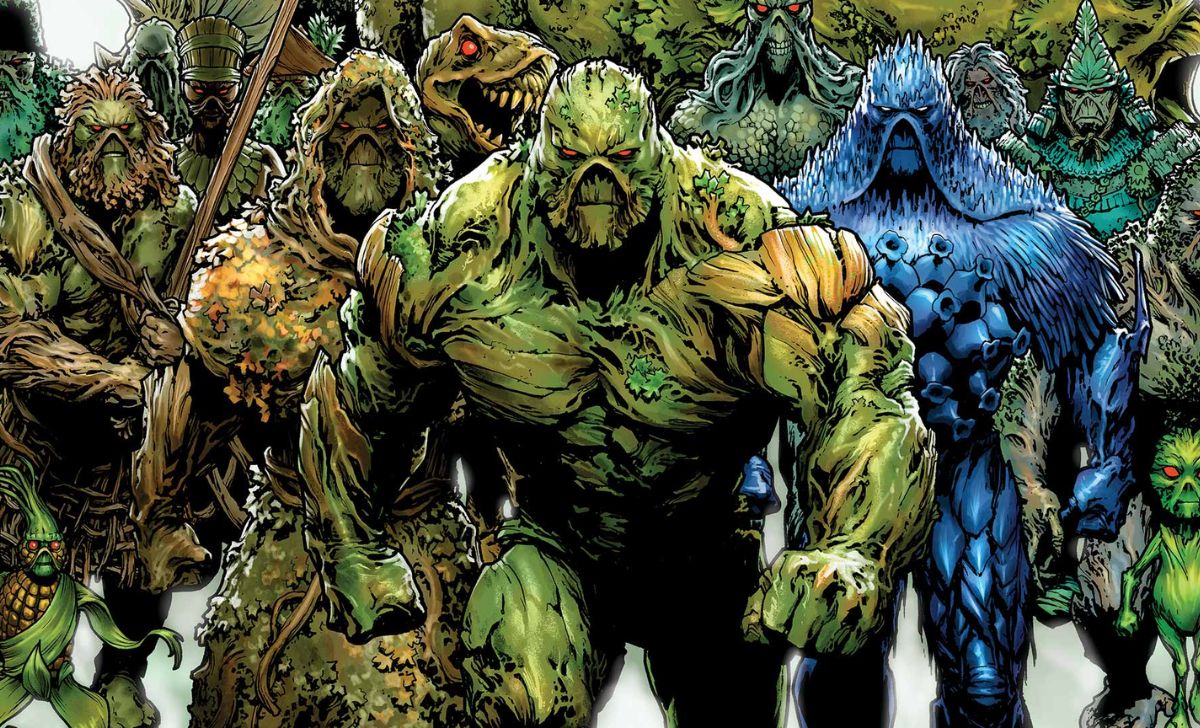
Expanding the Mythos: Many Swamp Things Before Holland
Moore’s reinterpretation opened the door for a broader mythos. There were guardians of the Green throughout Earth’s history, predecessors to Alec Holland’s Swamp Thing—each serving as an avatar in different ages. This explanation incorporated the original Alex Olson and countless forgotten avatars, weaving mythology and continuity seamlessly .
Major Comic Series and Key Storylines
Swamp Thing’s saga has spanned multiple acclaimed runs:
- Swamp Thing (1972–1976): The character’s first dedicated series introduced Abigail Arcane, Anton Arcane, and the broader supernatural tone that would define future stories.
- The Saga of Swamp Thing (1982–1996): Alan Moore’s legendary run transformed the character into an elemental being. This period remains a benchmark in both horror and literary comics.
- Swamp Thing (2000): Written by Brian K. Vaughan, this run followed Tefé Holland—Swamp Thing’s daughter—as she struggled between her human and elemental nature.
- Swamp Thing (2004): This series stripped Alec Holland’s consciousness from the Green’s avatar, focusing on Swamp Thing’s conflict between human emotion and natural duty.
- Brightest Day (2010) and The New 52 (2011): These reboots reimagined Alec Holland as both man and elemental, merging science, horror, and superhero mythos under Scott Snyder’s bold storytelling.
- Swamp Thing: Winter Special (2018): A poignant modern story reflecting the hero’s legacy, isolation, and enduring connection to nature .
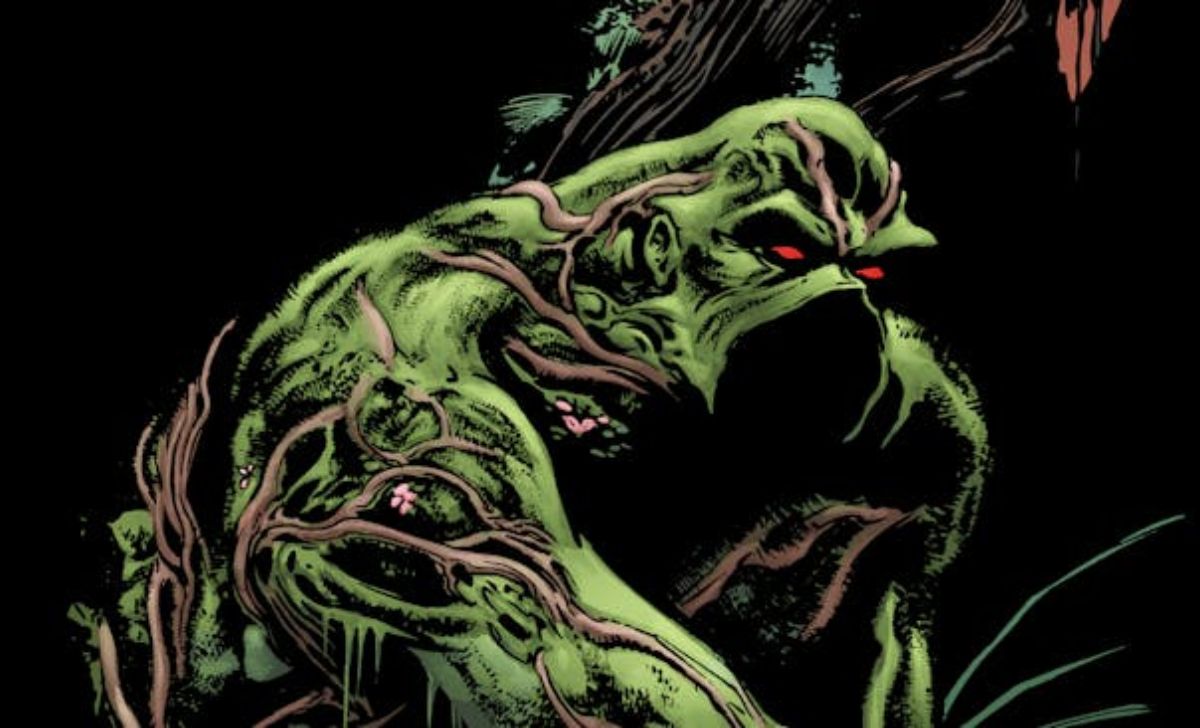
The Elemental Power of the Green
Swamp Thing’s abilities are rooted in his connection to the Green—the spiritual web that links all plant life. This makes him one of the most powerful beings in DC’s cosmic hierarchy.
- Plant Control (Chlorokinesis): Swamp Thing manipulates vegetation at will, shaping forests, vines, and roots into tools or weapons. He can even command microscopic algae within living organisms, attacking them from the inside.
- Regeneration and Immortality: His consciousness can migrate to any form of plant life, regenerating his body anywhere on Earth. As long as plant matter exists, Swamp Thing cannot truly die.
- Superhuman Strength and Growth: His strength scales with his connection to the Green, allowing him to crush steel or grow into a towering giant when needed.
- Elemental Awareness: Through his link with the Green, he senses ecological imbalance and can communicate across vast botanical distances.
- Elemental Manipulation: Some iterations of Swamp Thing, especially those influenced by Alan Moore and Scott Snyder, gave him control over other natural elements like earth, water, air, and fire—making him the guardian not just of plants but of life’s essence itself .