
When you talk about comic book icons that came from outside Marvel or DC, it’s impossible not to mention Spawn. Created in the early ’90s by Todd McFarlane, Spawn broke rules, built a cult following, and proved that independent comics could rival the giants. His story is as fascinating as his powers, blending betrayal, tragedy, and a fight between Heaven and Hell. Let’s dive into the History of Spawn, his rise in popularity, and the origins that make Spawn such a unique anti-hero.
The Birth of Spawn and Image Comics
Spawn made his debut in Spawn #1 (1992), published by Image Comics. At the time, Todd McFarlane had already become a superstar thanks to his work on Spider-Man. But instead of staying at Marvel, McFarlane, alongside other artists, left to create Image Comics—a bold move that reshaped the industry.
This decision gave creators full ownership of their work, a rarity back then. And from this freedom came Spawn, a gothic, violent, and visually stunning character unlike anything readers had seen before. Spawn #1 was an instant success, selling 1.7 million copies—a number that today’s comics rarely come close to touching.
Hype, Film, and Animation
Spawn wasn’t just a hit in comics—he exploded into pop culture. By 1997, McFarlane’s character had his own feature film. Though the movie didn’t kickstart the blockbuster franchise people hoped for, it drew in countless fans (many of whom, like me, wore out their VHS copies). Seeing Spawn on the big screen was surreal for fans who had followed his comic book journey.
Even more beloved was HBO’s Spawn animated series (1997–1999). Unlike Saturday morning cartoons, this was unapologetically adult: filled with violence, cursing, and themes that definitely weren’t for kids. Many fans regard it as one of the most faithful and mature adaptations of a comic book character ever made.

Al Simmons: The Man Behind the Mask
Spawn wasn’t always a supernatural warrior. He was once Al Simmons, a highly trained assassin who served in the CIA. Simmons was skilled, loyal, and even saved the President of the United States during his career. But he eventually realized the darker truth: the agency was hiding atrocities and killing innocents.
That moral questioning made Simmons dangerous to those in power. His own partner and friend, Chapel, was ordered to kill him. Betrayed and burned alive, Al Simmons found himself in Hell.
The Devil’s Bargain
In Hell, Simmons struck a desperate deal with a demon named Malebolgia. In exchange for his soul, he would be allowed to see his wife, Wanda, again. But like most devil’s bargains, the terms were twisted. Simmons was resurrected five years later—not as himself, but as a Hellspawn.
He returned scarred, clad in living armor, and missing pieces of his memory. To his horror, Wanda had moved on. She had married Simmons’ best friend, Terry, and even had a daughter, Cyan. This heartbreak set the stage for Spawn’s tragic existence.
Heaven, Hell, and the Streets
Spawn wasn’t brought back to Earth out of mercy—he was meant to serve Hell’s agenda. His grotesque guide, The Violator, often appearing as a demonic clown, constantly reminded him of his role. But Spawn resisted. Instead of blindly following orders, he fought both Heaven and Hell, carving his own path as an anti-hero.
Early stories saw him becoming a protector of the homeless in Rat City’s alleys. He clashed with street gangs, mobsters, and even monsters. One particularly shocking storyline had him killing the sadistic child murderer Billy Kincaid, cementing his role as a vigilante who didn’t follow traditional superhero rules.
The Death of Al Simmons and Rise of Jim Downing
Spawn’s mythology expanded in unexpected ways. Al Simmons eventually chose to end his own life, believing it was the only way to escape his cursed existence.
But the mantle of Spawn didn’t end there. A new man—Jim Downing—awoke from a coma with no memory of his past. Slowly, he discovered fragments of Spawn’s essence flowing within him. After being hunted, attacked, and nearly destroyed, Jim transformed into the new Spawn. His story added new mystery and raised questions about the very nature of Hellspawns.
Omega Spawn and the Battle for Power
Of course, Al Simmons wasn’t gone for good. He returned as a darker, more powerful version of himself called Omega Spawn. With limitless power from his new suit, he set his sights on reshaping—or ending—the world. This led to brutal confrontations with Jim Downing, where Simmons proved just how far he had fallen from his former humanity.
These battles showed that Spawn was never just about flashy fights. They were about morality, temptation, and whether power could ever truly be controlled.

Spawn’s Powers and Iconic Suit
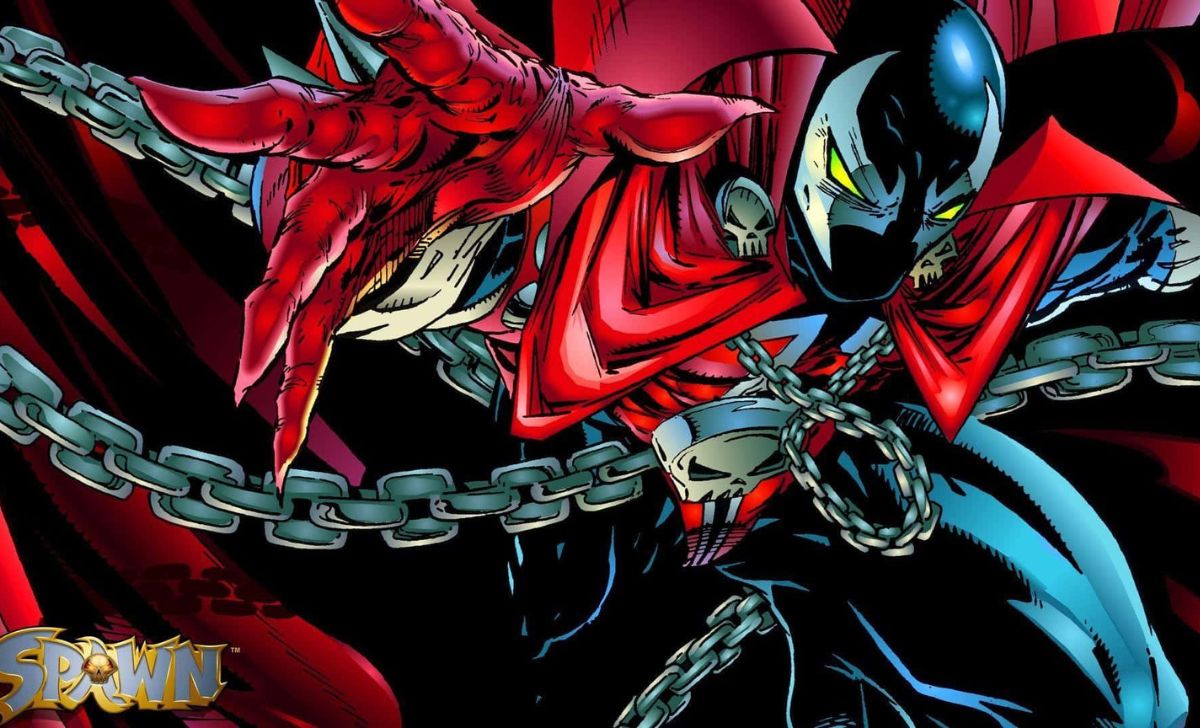
What makes Spawn stand out visually is his living, symbiotic suit—Leetha of the 7th House of K. Unlike Batman’s gadgets or Superman’s innate powers, Spawn’s costume is alive, bonded to his nervous system. It can shape-shift, extend chains, grow spikes, and animate his cape into a weapon.
Spawn’s strength comes from necroplasm, a green energy that enhances his body and fuels his abilities. With it, he can teleport, heal, manipulate fire, control time, and even summon the dead. His limits come not from his enemies but from the finite supply of necroplasm within him.
Despite this arsenal, Simmons often relied on firearms and military tactics, reminding readers of his assassin roots. It’s this mix of supernatural power and grounded combat skills that makes him so unpredictable.
Spawn’s Legacy
Spawn’s popularity has endured for over 30 years. From blockbuster sales in the ’90s to cult-favorite TV adaptations, the character continues to evolve. In 2015’s Spawn #250, Al Simmons returned to reclaim the mantle, proving that the original Hellspawn still had more stories to tell.