
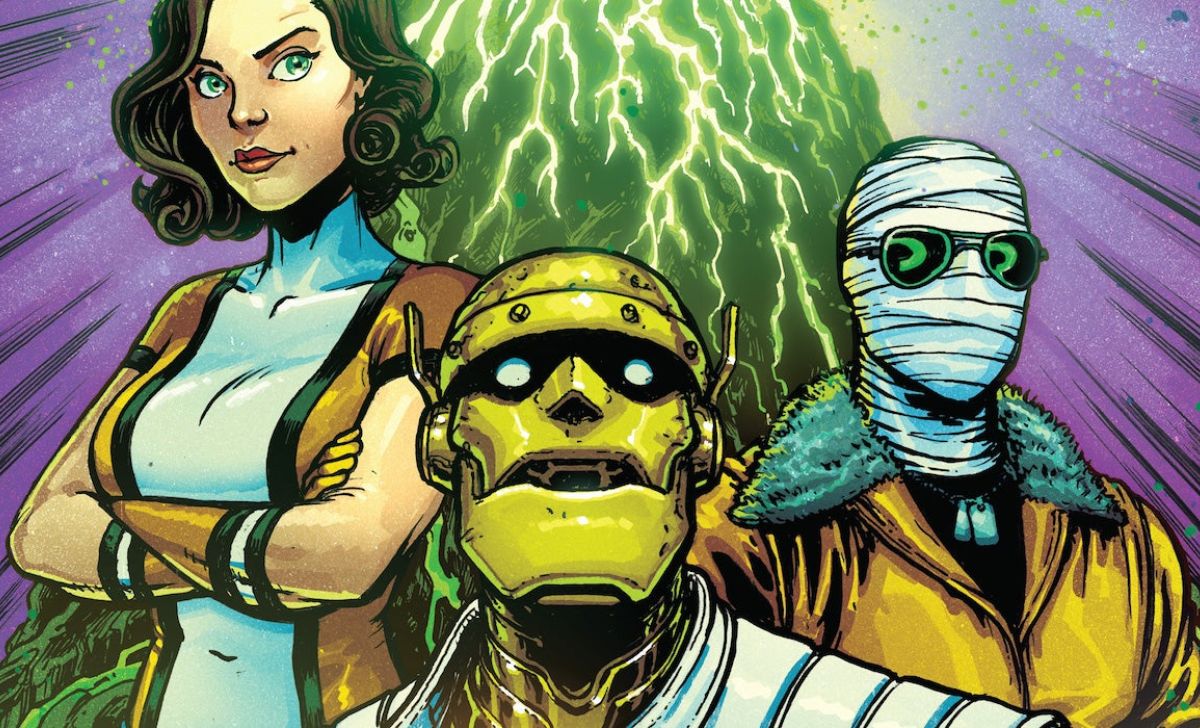
The Doom Patrol stands as one of DC Comics’ most unusual, heartfelt, and intellectually charged superhero teams. Unlike the sleek icons of the Justice League or the youthful optimism of the Teen Titans, the Doom Patrol earned its fame as “the world’s strangest heroes” — a team of broken individuals forged into reluctant champions. To truly understand their appeal, one must look back at the history of Doom Patrol in DC Comics, exploring their comic book roots, character origins, story arcs, and the evolving legacy of this bizarre yet beloved team.
The Birth of Doom Patrol
The Doom Patrol first emerged from the pages of My Greatest Adventure #80 in 1963. The team’s creators — Arnold Drake, Bob Haney, and Bruno Premiani — crafted a story that combined tragedy, science fiction, and philosophical undertones long before such genres intertwined in superhero comics.
At the time, My Greatest Adventure was an anthology series experimenting with adventure and science fiction tales. Once the Doom Patrol debuted, their popularity completely redefined the series. By issue #86, My Greatest Adventure was officially renamed Doom Patrol, running until issue #121.
This was no ordinary team of superheroes. While the Justice League symbolized perfection and power, Doom Patrol focused on pain, alienation, and acceptance. It introduced heroes who didn’t fit the mold — misfits who fought not only villains but also their own sense of self-worth.
A fun piece of trivia — Robotman is the only character to appear in every incarnation of the Doom Patrol across the decades. His persistence has made him the emotional core of the team.
The Chief and the Formation of the Team
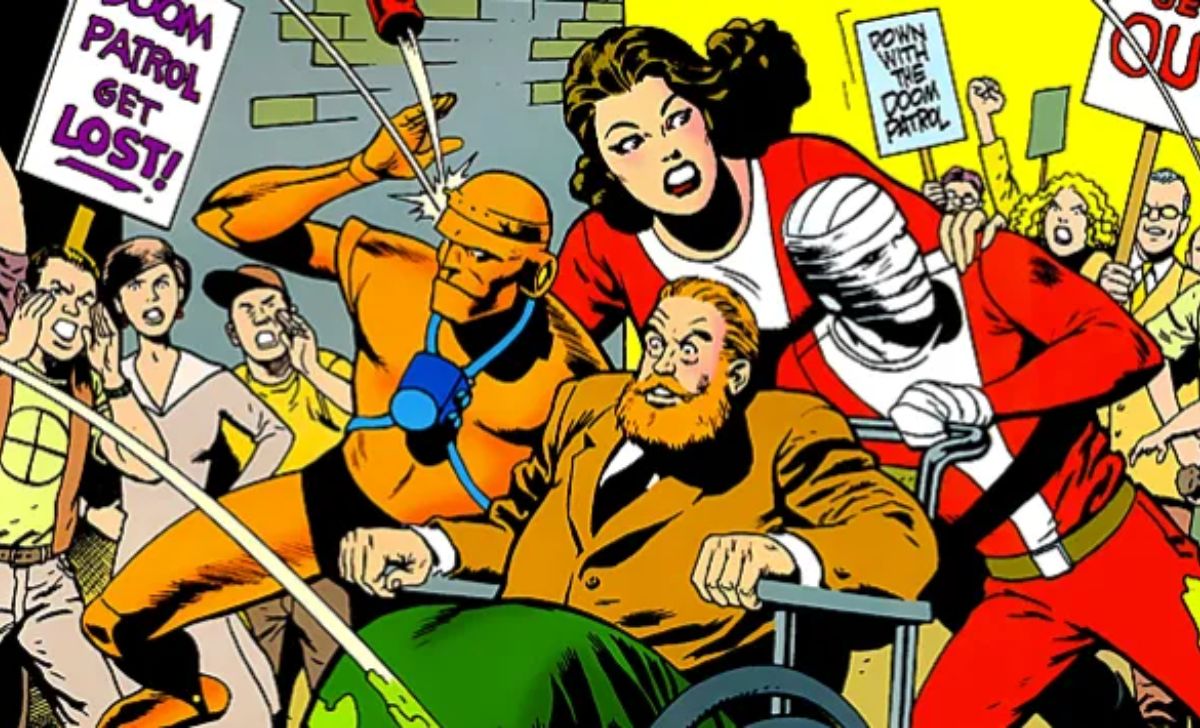
At the heart of the Doom Patrol lies a man named Dr. Niles Caulder, known simply as The Chief. A genius confined to a wheelchair, Caulder is the team’s moral compass, scientific mind, and occasionally, its manipulative secret-keeper.
In their very first appearance, Caulder gathers three lost souls — Rita Farr, Larry Trainor, and Cliff Steele. Each is an outcast warped by tragedy, and each initially rejects Caulder’s proposal to become a team. The Chief appeals to their shared pain, reminding them that he too is “disabled but not defeated.” He channels his intellect into fighting catastrophes through the minds and courage of others.
From his laboratory — a mix between a think tank and a sanctuary — the Chief becomes their mentor, turning their curse into cause. By the end of their debut story, their teamwork and public heroism earn them the name “Doom Patrol.”
The Original Members and Their Origins
Rita Farr – Elastigirl
Rita was once a Hollywood star and Olympic-level swimmer. During a movie shoot that required her to outswim a crocodile, she was swept down a waterfall and exposed to mysterious vapors. These vapors altered her physiology, allowing her to grow or shrink at will — though initially, she couldn’t control it.
Her transformation forced her to leave behind fame and normalcy. Over time, she mastered her powers and redefined herself as Elastigirl, a symbol of beauty reformed through resilience.
Larry Trainor – Negative Man
Larry Trainor began as a U.S. Air Force test pilot. While flying an experimental rocket plane through “inner space,” his aircraft malfunctioned, exposing him to intense cosmic radiation. The crash left him alive but changed — containing within him a radioactive energy being that could separate from his body, known as the “Negative Spirit.”
Because of his radiation, Larry was forced to wrap himself head to toe in bandages, both as protection and imprisonment. As Negative Man, he represents the duality of freedom and confinement — his most powerful form exists only when detached from his human shell.
Cliff Steele – Robotman
Cliff Steele was a thrill-seeking daredevil and champion racer. When a devastating car crash destroyed his body, his brain was saved by a brilliant surgeon — none other than Dr. Niles Caulder. Caulder transplanted Cliff’s brain into a robotic body, giving him superhuman strength and durability.
Yet, for all his metal might, Cliff constantly wrestled with his humanity. His biggest battles weren’t physical—they were internal. Robotman symbolizes the human soul trapped in a machine, forever seeking a sense of self.
Their First Mission: General Immortus and the Brotherhood of Evil
The team’s first mission pitted them against General Immortus, a criminal mastermind who prolonged his life with elixirs. This set the tone for the Doom Patrol’s storytelling — larger-than-life threats balanced against deeply human emotion.
Immortus would later become part of a villainous group called the Brotherhood of Evil, a collective of grotesque and brilliant enemies including the sinister The Brain and Monsieur Mallah, the talking gorilla.
Interestingly, the similarities between Doom Patrol and Marvel’s X-Men have sparked decades of fan debates. Both appeared around the same time in 1963, both featured a genius in a wheelchair leading outcasts, and both battled groups called “Brotherhoods of Evil.” Though there’s no proof Stan Lee borrowed from Doom Patrol, the timing and thematic parallels remain one of comic history’s most persistent mysteries.
The First End and the Sacrifice at Codsville
The team’s original run ended dramatically in Doom Patrol #121 when the heroes chose to sacrifice themselves to save the small town of Codsville. It was one of the most emotional and permanent endings in Silver Age comics, an unusual act of selflessness that resonated deeply with fans.
For years, that death defined Doom Patrol’s myth — a reminder that their name wasn’t just a title; it was a prophecy.
Expanding the Roster: Mento, Beast Boy, and Others
During the original series, the team occasionally expanded its ranks:
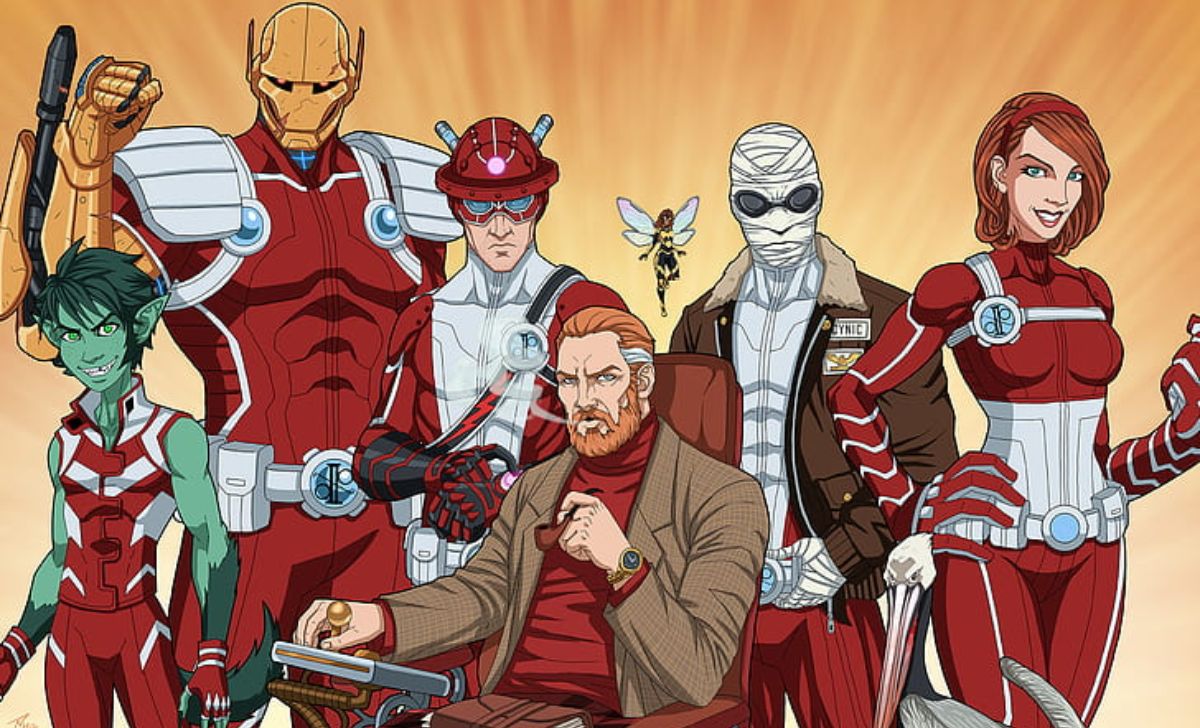
- Steve Dayton (Mento), one of the world’s richest men, invented a helmet to amplify his mental powers. His motive, however, was far from noble — he wanted to impress and eventually marry Elastigirl. The two did marry in issue #104.
- They later adopted Garfield Logan, better known today as Beast Boy or Changeling. The future Teen Titans member first appeared in Doom Patrol #99, where he helped battle “The Bug Man.” His green skin and ability to morph into any animal added youthful energy to the team.
This explains why Beast Boy was depicted as a member of the Doom Patrol in the Titans live-action series — his roots trace directly back to this team.
Grant Morrison’s Era and the Dark Reinvention
The late 1980s revitalized Doom Patrol through Grant Morrison’s critically acclaimed run. Morrison introduced a surreal and psychological tone, transforming the comic from tragic into transcendental.
He created Crazy Jane (Kay Challis), a woman with 64 personalities, each possessing a different superpower. She embodied the fractured psyche of trauma, giving readers both raw emotional depth and unpredictability. Morrison’s take questioned heroism itself — who defines it, and at what cost?
One of the boldest tweaks Morrison introduced was making The Chief not a savior, but a manipulator. In this version, Niles Caulder engineered the tragedies that created his team, believing he could “forge heroes from suffering.” This controversial retcon added moral ambiguity that still shapes portrayals of the character today.
Shifting Lineups and the New 52 Reboot
Over the decades, Doom Patrol saw countless reincarnations and new members, including:
- Tempest
- Negative Woman
- Celsius
- Danny the Street (a sentient, teleporting street with personality)
- Element Woman
- Metamorpho
In DC’s New 52 continuity, Doom Patrol re-emerged briefly in Justice League #24 and within the Forever Evil storyline. They tragically fell again during a fight against the Crime Syndicate, pushing Dr. Caulder to rebuild the team from scratch. The modern roster included familiar faces — Robotman, Negative Man, Elastigirl, and Element Woman.
Powers and Abilities
Each member’s abilities reflect both literal and psychological dimensions of their character:
- Robotman: Boasts superhuman strength, speed, and durability through his cybernetic body. His hands are equipped with heating coils capable of melting metal, and his body design varies depending on the rebuild — sometimes including weapon systems.
- Negative Man: His “Negative Spirit” allows flight, intangibility, and energy projection. However, leaving his body too long risks death, creating a metaphor for dependency and inner conflict.
- Elastigirl: Can stretch, expand, or shrink her body at will. Her size alteration enhances her physical power and versatility in combat.
- Crazy Jane: Possesses 64 alternate personalities, each with unique powers — from pyrokinetic strength to telepathy. This makes her one of the most complex and unpredictable metahumans in DC lore.
- The Chief: Though physically confined, he wields one of the sharpest minds in the DC Universe. His intellect spans robotics, genetics, and advanced psychology, often making him the architect of the team’s victories and tragedies alike.
Essential Doom Patrol Reading List
For readers wanting to experience the team across its most iconic eras, these storylines serve as perfect entry points:
- My Greatest Adventure #80 (1963) — The team’s first appearance.
- Doom Patrol Vol. 1 — Collects their early adventures.
- Crawling from the Wreckage — Grant Morrison’s groundbreaking reboot arc.
- Brick by Brick — Gerard Way’s Young Animal reinterpretation.
- Magic Bus — Morrison’s final surreal arc.
- The Silver Age Vol. 1 — A must-read for anyone exploring their original roots.
Each run reflects a different tone — from campy adventure to existential weirdness — proving just how elastic the Doom Patrol concept truly is.