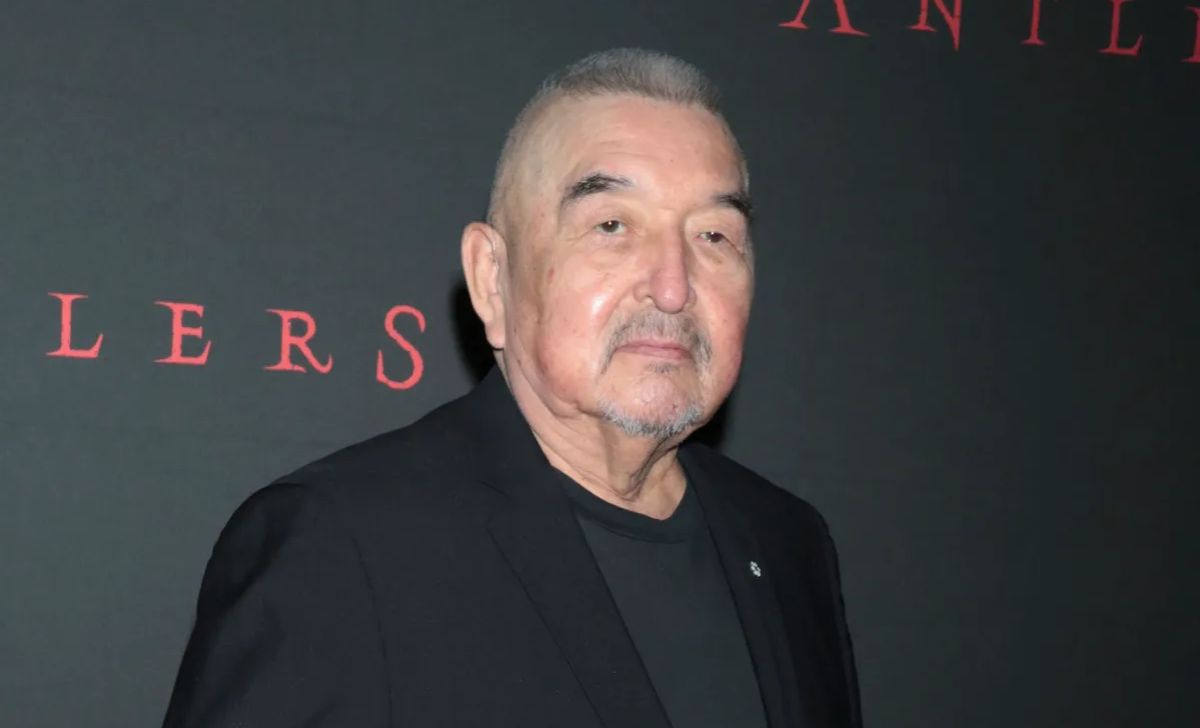
Graham Greene, the Oscar-nominated Canadian First Nations (Oneida) actor whose performances brought nuance and dignity to Indigenous characters on screen, died on September 1, 2025, at age 73. His agent said Greene died in a Toronto hospital after a long illness; his manager told Canadian media he passed peacefully of natural causes. He is survived by his wife of 35 years, Hilary Blackmore, daughter Lilly Lazare-Greene, and grandson Tarlo.
From Ohsweken to the world
Born June 22, 1952, in Ohsweken on the Six Nations Reserve in southern Ontario, Greene worked a string of jobs—draftsman, civil technologist, steelworker, even rock-band crew—before trying his hand at acting. He cut his teeth on stage in the 1970s in Canada and the U.K., crediting theater’s discipline with teaching him how to build characters—an ethic he carried into film and television.
Breakthrough with “Dances with Wolves”
Greene’s breakout came in 1990 as Kicking Bird in Kevin Costner’s epic Dances with Wolves, a performance that earned him an Academy Award nomination for Best Supporting Actor and announced him to global audiences. The role marked a sea change: here was a Native character rendered with intellect, warmth, and authority—exactly the kind of representation Greene championed throughout his career.
Range, wit, and quiet steel on screen
After Dances with Wolves, Greene moved effortlessly between genres and eras: the thriller-mystery Thunderheart (1992); the poker-caper Maverick (1994); franchise fireworks in Die Hard with a Vengeance (1995); the elegiac prison drama The Green Mile (1999); YA phenomenon The Twilight Saga: New Moon (2009); courtroom chess in Molly’s Game (2017); and the stark neo-western Wind River (2017). Each role showed a performer as comfortable with sly humor as with quiet gravity.
A steady, scene-stealing presence on TV
Television fans knew Greene as the kind of actor who could walk into an episode and immediately lift the room. He showed up memorably in Northern Exposure, Lonesome Dove: The Series, Longmire, Goliath, American Gods, and FX’s acclaimed Reservation Dogs. In recent years he joined Taylor Sheridan’s universe in 1883 and Tulsa King, and he appeared in Marvel’s Echo.
Honours that matched the work
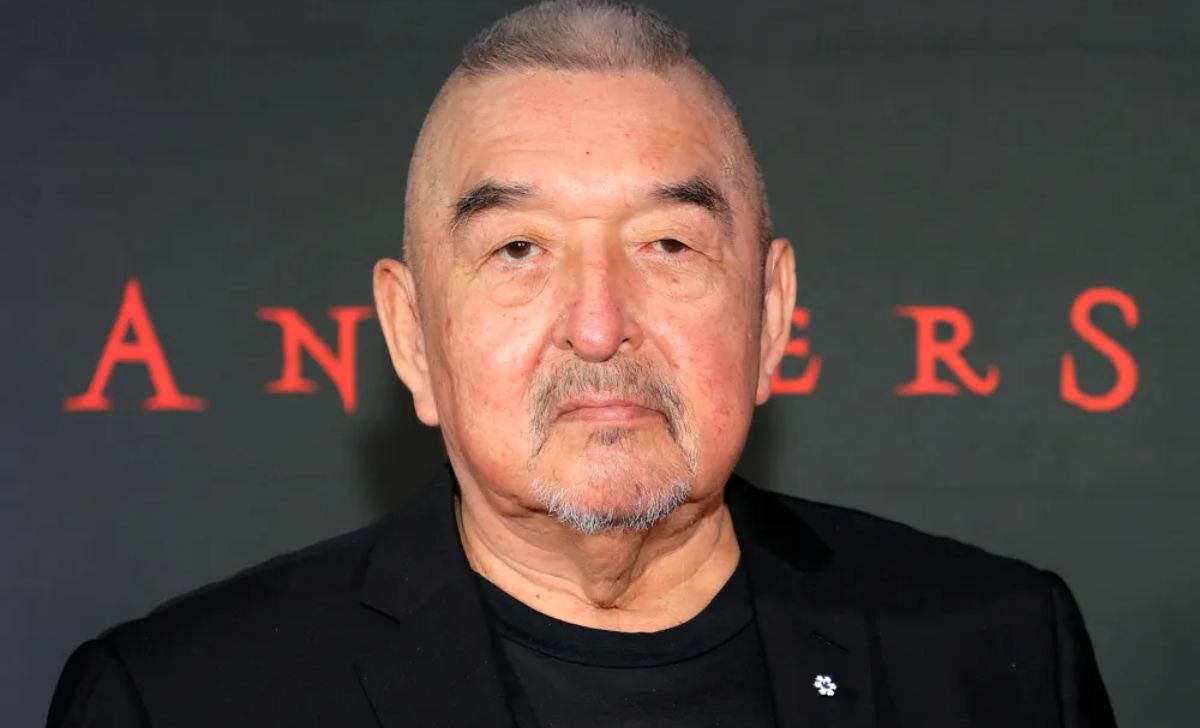
Greene’s mantle filled up over the decades. He received the Earle Grey Award—Canada’s lifetime achievement honour for television acting—in 2004; he won a Grammy in 2000 for Best Spoken Word Album for Children; and in 2025 he received the Governor General’s Performing Arts Award for Lifetime Artistic Achievement. He was appointed a Member of the Order of Canada in 2015 (invested in 2016) and inducted into Canada’s Walk of Fame in 2021.
A working actor to the end
Greene never stopped working. One of his final roles was on Reservation Dogs, a fitting coda for an artist who helped open doors for Indigenous talent. He also has a completed feature, the thriller Ice Fall, awaiting release.
What he leaves behind
Across five decades, Greene did more than collect credits—he changed expectations. He proved that Indigenous stories could be told with depth and humor, that a “character actor” could quietly become a cornerstone, and that craft, not stereotype, should define the work. He often said theatre taught him discipline; audiences saw that discipline in every measured look, every dry aside, every moment he chose to hold the pause. It’s why his characters felt lived-in, why they linger.
Graham Greene opened a door and then kept holding it for others. The roles remain; the ripple he started keeps moving.