
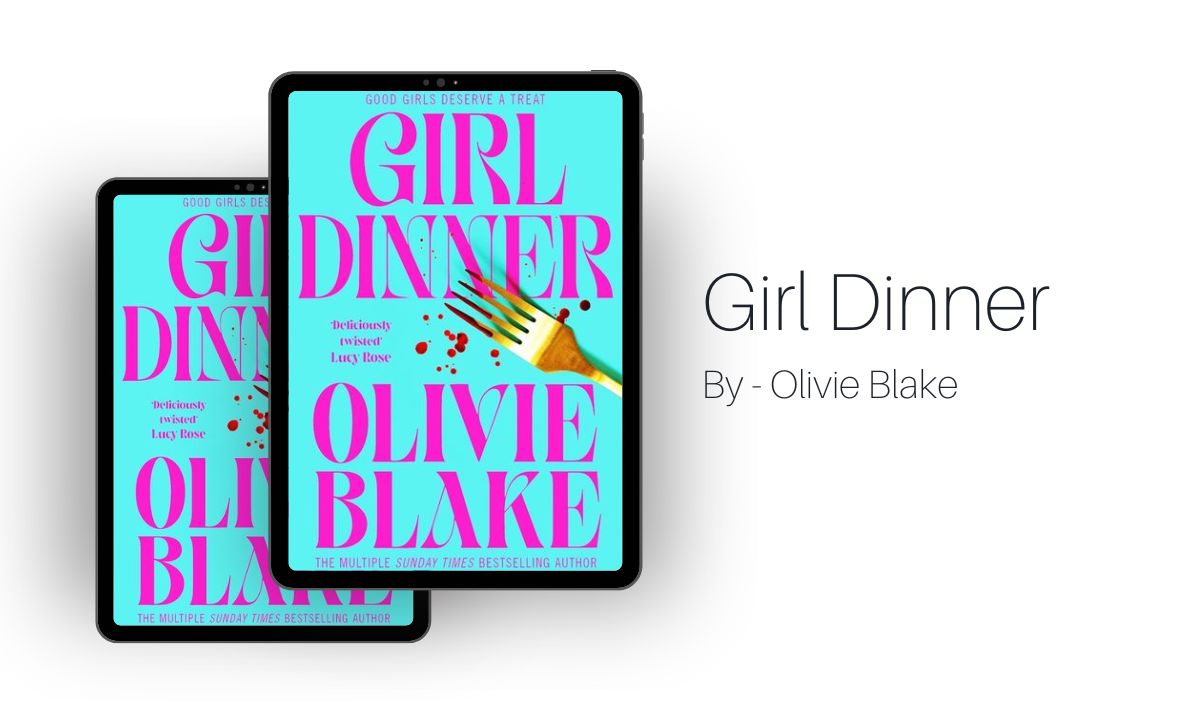
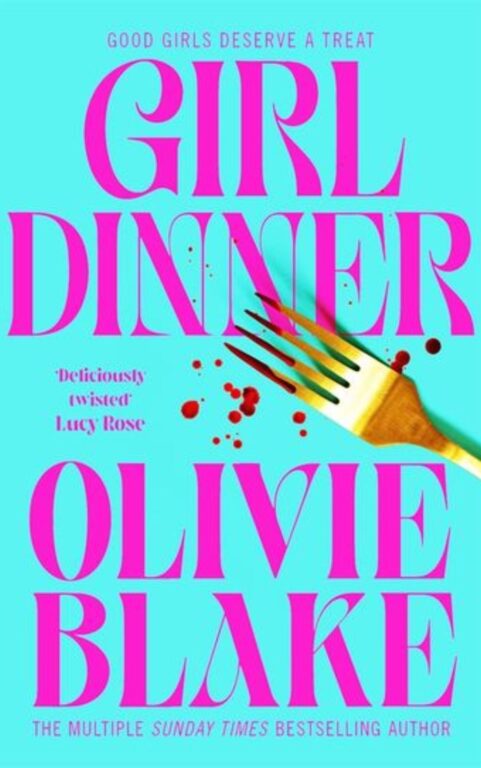
Olivie Blake’s Girl Dinner arrives as a deliberately provocative, darkly comedic novel that pairs glossy, modern-society satire with a slowly tightening undertow of horror. If you come to this book expecting a straightforward thriller, you’ll be pleasantly or uncomfortably surprised. Blake blends campus drama, maternal pressures, and a fashionable wellness obsession into a story that is at times deliciously absurd and at other times disturbingly literal. The book trades in appetite — for success, for status, and, in its most transgressive moments, for something far more visceral.
Plot — What Happens (Without Spoiling Major Turns)
At its heart, Girl Dinner follows two women on very different paths whose lives intersect around a secretive campus society known only as The House. Nina Kaur is a freshman eager to belong and willing to learn the rules of an elite social circle. Sloane Hartley is a sociology professor and a mother, returning to work while juggling the expectations strapped to modern womanhood.
What begins as an exploration of social capital and wellness trends soon morphs into something ritualistic and sinister — The House’s practices extend beyond brunch talk and trend-following into dark, arcane rituals that force characters to question how far they will go to maintain power and belonging. The novel alternates perspectives, placing the reader inside both the bright, seductive surfaces and the rot beneath.
Characters — Who You’ll Be Rooting For (or Not)
Blake builds characters who are both archetypal and surprisingly textured. Nina is the eager initiate — hungry not just for acceptance but for the identity that The House promises. Sloane is more complicated: a professional woman who’s also a parent, trying to keep up with her intellect and her obligations while navigating an environment that commodifies femininity.
Secondary characters — alumnae, sorority sisters, and other mothers — are painted in broad, often satirical strokes that nevertheless carry emotional weight. The characters are purposefully amplified: they’re showpieces through which Blake examines cultural pressures on women, rather than entirely realist portraits of ordinary people. That amplification is part of the book’s intention and also its source of friction for some readers.
Tone and Style — Blake’s Voice Here
Blake’s prose is sharp and often witty, with sentences that cut to revealing observations about class, gender, or contemporary wellness culture. The pacing swings — some sections zip along with electric dialogue and set pieces, others linger in introspection and scene-setting.
There’s a satirical edge throughout: the book delights in exposing the absurdity of certain trends and the theatricality of elite social rituals. At times the satire borders on camp, which will delight readers who enjoy exaggerated, quotable lines; at other moments the narrative leans into discomfort and darkness that undercuts the comedy. The result is an uneven, but intentionally so, tonal landscape that asks the reader to sit with both their amusement and unease at the same time.
Themes — What the Book Is Actually Saying
On the surface, Girl Dinner grapples with belonging, image-making, and the rituals that maintain social hierarchies. Beneath that, it asks harder questions about bodily autonomy and the economics of desirability — who consumes whom, metaphorically and otherwise.
The novel is also a commentary on motherhood in a world that demands perfection and performative “wellness” from women, especially those with public personae or social capital to protect. Finally, there’s a biting critique of how trends can normalize extreme behavior when they are wrapped in prestige and exclusivity. The thematic package is provocative: the book pushes readers to ask whether social rituals are ever innocuous, or whether they always contain the potential for real harm.
What Works
Blake’s strengths are clear: she writes with confidence, sharp observation, and a knack for memorable imagery. The premise is original and unsettling in a way that sticks with you.
The scenes that parody campus exclusivity and influencer-style wellness are biting and often laugh-out-loud funny, while moments that pivot toward psychological horror are handled with an economy that heightens their impact. When the novel lands, it lands big — especially in scenes that force characters to confront the moral cost of their choices. Readers who enjoy satire with teeth will find a lot to admire.
What Didn’t Quite Land
Not every reader will be satisfied with Blake’s stylistic choices. The amplified characters and leaps between satire and horror occasionally feel uneven; some chapters move too slowly, while others rush important emotional beats.
A handful of readers found the pacing overwritten in places or wished certain arcs had more restraint or clarity. Also, because the book intentionally exaggerates characters and situations, some readers may feel alienated by the lack of softer, more sympathetic portraits that explain characters’ inner lives more completely. If you want tidy genre boundaries or consistently paced plotting, this novel will test your patience.
Who Should Read It (and Who Should Skip It)
Pick this up if you like satirical fiction that flirts with horror, enjoy novels that lampoon elite social rituals, or are a fan of deliberate tonal risks. It’s a strong choice for book-club discussion because its themes — motherhood, ambition, trend culture, and moral compromise — invite argument and debate.
Consider skipping it (or temper your expectations) if you dislike tonal shifts, prefer strictly realistic character studies, or are distressed by literal depictions of bodily harm dressed as satire. Some passages are designed to be intentionally uncomfortable — that’s part of the book’s unsettling charm.
Final Verdict
Girl Dinner is provocative, entertaining, and occasionally infuriating by design. It’s a book that wants to make you laugh at the grotesque while also forcing you to reckon with how easily a culture of aspiration can become predatory.
Olivie Blake doesn’t aim for comfort here; she aims for a reaction. If you’re ready for a novel that’s equal parts social satire and unsettling parable, this one is worth a seat at the table.