
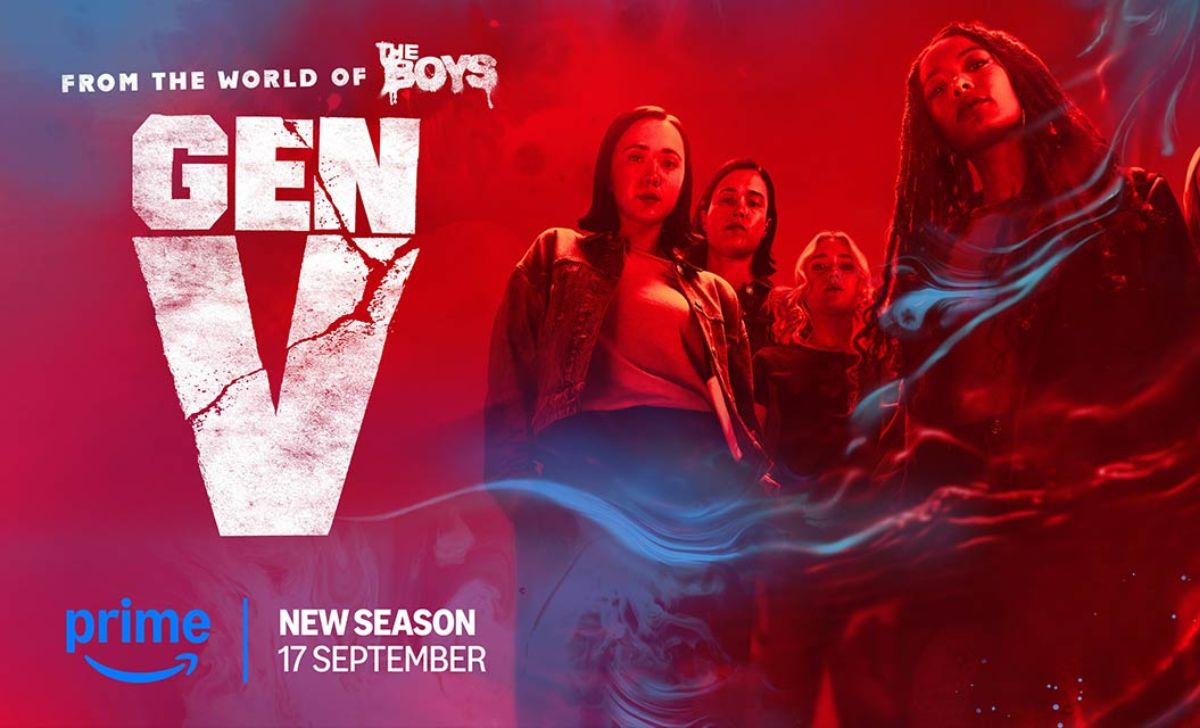
Prime Video’s Gen V returns with a sophomore season that proves the spinoff has more to say than a single gag or cameo. The show keeps the raunchy, hyper-violent superhero-college energy fans expect, but Gen V Season 2 also tightens its focus on trauma, power, and who gets to rule in a world run by Vought. The result is less of a rehash and more of a confident expansion of The Boys universe.
When to watch: premiere and episode rollout
Gen V Season 2 premieres Wednesday, September 17, 2025. The season consists of eight episodes: the first three arrive together on premiere day (Episodes 1–3), with the remaining five episodes released weekly every Wednesday through October 22, 2025. That schedule gives viewers an early immersion into the new term at Godolkin before the story settles into a weekly rhythm.
The cast: familiar faces, new threats
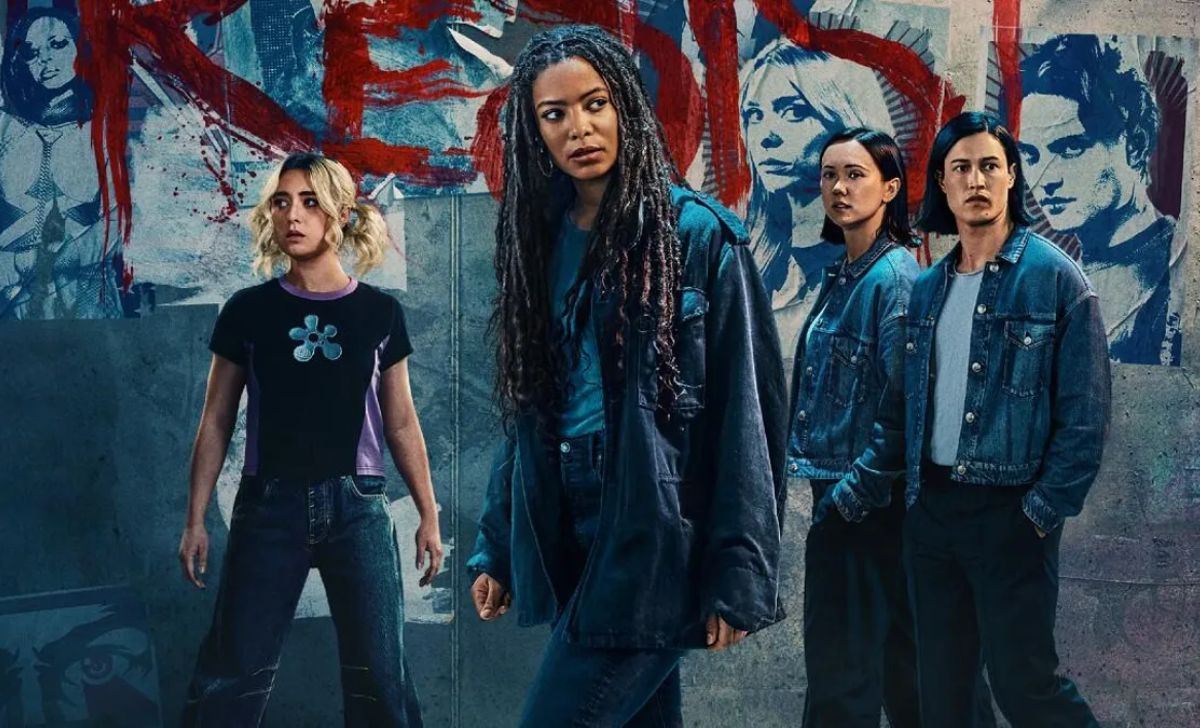
Most of the core students return: Jaz Sinclair resumes as Marie, Lizze Broadway as Emma Meyer, Maddie Phillips as Cate Dunlap, London Thor and Derek Luh continue sharing the role of Jordan Li, and Asa Germann returns as Sam Riordan. Sean Patrick Thomas steps into a larger role as Polarity, a father whose grief over a devastating personal loss and his battle with a terminal illness add unexpected emotional weight to the season.
Hamish Linklater joins the series as Dean Cipher — a new, chilling figure at Godolkin who replaces the disgraced Indira Shetty. Ethan Slater also appears as Thomas Godolkin, the school’s founder and namesake. The production pays tribute to Chance Perdomo (Andre), who died in a motorcycle accident in 2024; the creative team chose not to recast him and instead wrote his absence into the story in a respectful manner.
Early episodes reset the playing field — in a familiar classroom
Although Season 1 ended with a violent upheaval on campus, Gen V initially eases viewers back into the more familiar college rhythm: parties, classroom rivalries, and rankings. That means the first episodes feel closer to the show’s original sexed-up, chaotic college formula than to a wholesale change in direction. The early reset can be jarring if you expected a nonstop escalation from the first minute, but it functions as a setup: the personal and institutional stakes build steadily as the season progresses.
Stakes rise: trauma, conspiracy, and a hidden program
Beneath the frat-house surface, Season 2 digs into the consequences of the previous season’s bloodshed. Marie, Jordan, and Emma re-enter Godolkin carrying loss and suspicion. When the group uncovers traces of a secret program tied to the university’s founding, the plot reorients from petty campus politics to something far more sinister — and more connected to the wider, worsening conflict between humans and supes. Cate and Sam, meanwhile, return to campus having been elevated as heroes, which creates new tensions and complicates loyalties.
Dean Cipher: a villain who eats scenery — and the campus
Hamish Linklater’s Dean Cipher emerges as the season’s central antagonist: charming in public, unnerving in private, and increasingly unhinged as the series pulls back his mask. Cipher personifies the new, more overtly supremacist direction at Godolkin, where human life is devalued and supe dominance is encouraged. Linklater revels in the role’s extremes, giving Cipher a magnetic unpredictability that frequently steals episodes and pushes the show’s satire into darker territory.
Emotional beats and standout performances
Season 2 leans hard into character growth. Emma’s arc — a study in vulnerability and resilience, with her powers tied to emotional states — ranks among the season’s strongest threads, and Lizze Broadway leans into both the humor and heartbreak of that role. Jaz Sinclair’s Marie has to come to terms with the full scale of her blood-based abilities and the moral choices they demand, and Sean Patrick Thomas gives Polarity a quietly powerful center as he navigates grief and illness. Even when the plot jumps between gore and absurdity, the cast keeps the human core intact.
Tone, gore, and the show’s appetite for extremes
If you watch Gen V for its violent inventiveness and dark comedy, Season 2 delivers. The series never shies away from gross-out set pieces, body horror, or moments of grotesque slapstick — yes, the show still mines shock value for laughs and narrative impact. It also leans into absurdist powers and visuals that make clear this world operates on rules of its own, sometimes to hilarious or horrifying effect.
How it connects to The Boys — and why that matters
Gen V operates as a natural extension of The Boys rather than a detached spinoff. The season draws on the foreboding political climate established in The Boys’ later seasons and features guest appearances that thread the two shows together without upstaging the students. That connective tissue matters: it allows Gen V to explore different corners of the same world while still feeling relevant to the larger saga.
Finale: an ending that opens doors
Without giving spoilers, Season 2 finishes in a way that feels like the close of one chapter and the beginning of another. It’s less of a cliffhanger than Season 1’s finale, but it still provides a satisfying resolution to the arcs the season pursues — and it leaves room for further exploration if Prime Video decides to keep the classroom doors open.
Verdict
Gen V Season 2 is not merely a repeat of what worked before; it pares back some early-season novelty to deepen character work, amplifies the political satire, and introduces a villain worth remembering. The season takes a few episodes to regain momentum, but once it does, it builds into a cohesive, often brutal courtroom of power — and proves there’s plenty more to mine in this vicious, messy world of supers.