

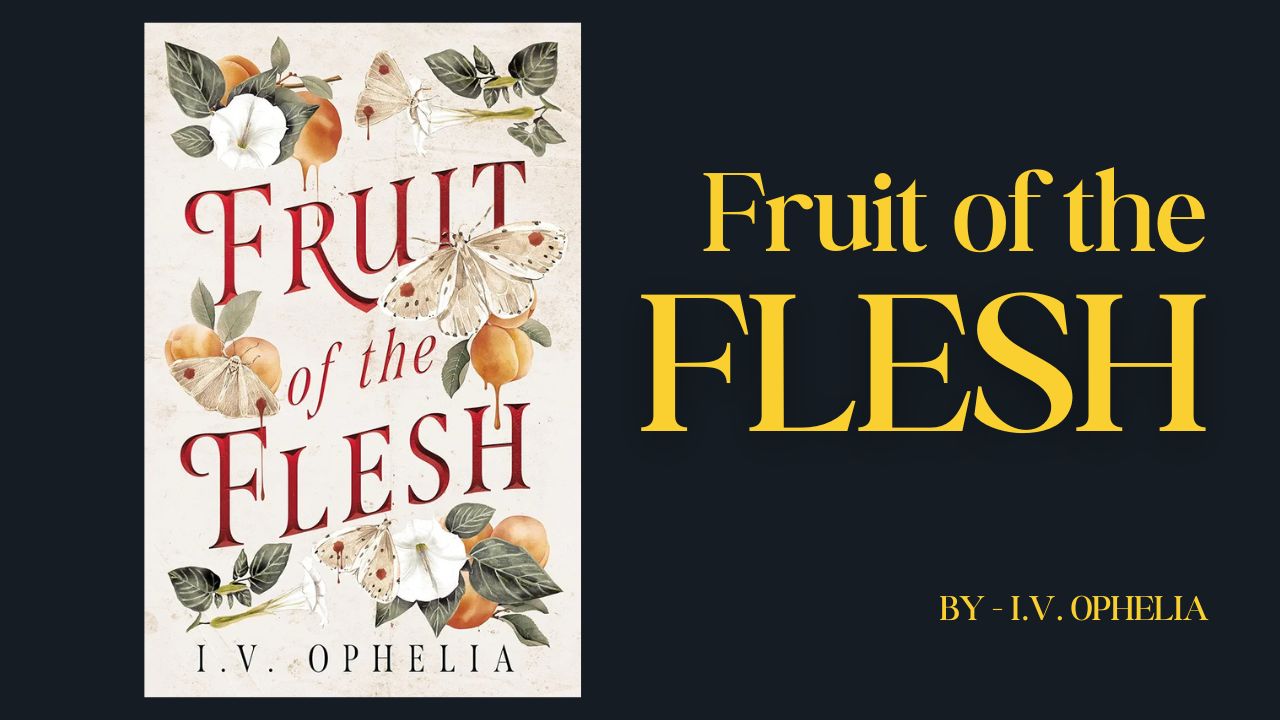
Fruit of the Flesh is a dark, velvet-lined gothic romance that pairs an ex-ballerina with a brooding sculptor in early 1900s New York City, stitching together mystery, revenge, and a taste for the macabre. Written by I.V. Ophelia and published by Montlake, the novel leans hard into atmosphere and moral unease rather than easy comfort.
What it’s about (without spoiling)
At its core, this is a marriage-of-convenience story. Petronille, a former ballerina desperate to escape a poisonous family legacy, and Arkady, a struggling sculptor in need of patronage, enter a practical arrangement meant to solve problems—not create them. Instead, the marriage becomes a slow excavation of secrets, revealing how two damaged people can reflect and intensify one another’s hungers—for control, for revenge, for recognition. The plot unfolds gradually, with domestic moments and quiet tensions accumulating into something unsettling.
Voice, style and atmosphere
Ophelia’s prose is lush and deliberate, favoring texture over speed. She lingers on the feel of fabric, the dust of plaster, the way light skims across unfinished stone. The result is a novel that feels tactile and immersive, where mood does much of the narrative work. Even ordinary scenes carry a faint sense of menace, as if something ugly is always just out of frame.
Characters and chemistry
The protagonists are unapologetically morally grey. Petronille’s composed restraint—shaped by a life onstage—contrasts sharply with Arkady’s raw, obsessive creative drive. The dual-point-of-view structure works in the book’s favor, letting readers sit inside both minds and experience the push and pull between attraction, suspicion, and control. You may find yourself rooting for them even while doubting their choices.
Themes — what the book wants to be about
Secrecy, legacy, and revenge sit at the heart of the novel. Respectability functions as a costume, hiding private cruelty and desire. Art—dance and sculpture alike—becomes both refuge and weapon, a way to shape how others see you and how much of yourself you’re willing to expose. The romance is inseparable from the darker question the book keeps asking: what people are willing to sacrifice to survive or dominate.
Pacing, structure and length
This is a slow burn in the truest sense. Early chapters luxuriate in setting and character observation, while tension tightens inch by inch. Revelations arrive in measured doses rather than shocks. Readers who appreciate deliberate pacing will find the build rewarding; those who prefer rapid plot progression may find the novel demanding patience.
Content notes and trigger warnings
The book ventures into dark territory, including violence, psychological manipulation, and adult BDSM elements woven into its power dynamics. It is not light or escapist, and it does not soften its edges. Readers sensitive to explicit or disturbing material should approach with care.
Strengths
- Atmosphere: The setting and mood are vivid enough to feel like characters in their own right.
- Complex protagonists: The leads’ flaws are central to the story’s tension and appeal.
- Controlled tone: Dread simmers steadily, making the quieter moments as effective as the dramatic ones.
Weaknesses
- Deliberate pacing: The slow build won’t suit every reader.
- Emotional arcs: Some moments end just as they begin to feel fully explored, leaving a desire for deeper immersion.
Who will love this book
Readers drawn to gothic romance—those who enjoy lush prose, moral ambiguity, and relationships shadowed by danger—will find a lot to admire here. It’s particularly well-suited to readers who like their love stories tangled up with unease and unresolved questions.
Final take
Fruit of the Flesh is an intentionally uncomfortable novel, one that finds beauty in darkness and tension in restraint. It explores how desire and devotion can become tools of both intimacy and harm. For readers who enjoy being unsettled by elegance—who like their romance steeped in shadow—it’s a haunting, memorable read.