
The Teen Titans have been one of DC Comics’ most beloved superhero teams for decades. Formed from the sidekicks of legendary Justice League members, this group of young heroes has evolved through generations, capturing the spirit of teamwork, growth, and rebellion. From their Silver Age origins to their modern incarnations, the complete history of the Teen Titans mirrors the evolution of DC Comics itself.
Early Beginnings (1964–1966)
The Teen Titans made their first appearance in The Brave and the Bold #54 (July 1964), created by Bob Haney and Bruno Premiani. The team’s initial lineup consisted of Robin (Dick Grayson), Kid Flash (Wally West), and Aqualad (Garth). These teenage sidekicks united to face a strange villain named Mr. Twister—a colonial-era-themed antagonist who used a magical staff to torment a small town. Although the concept seemed bizarre by modern standards, it established the foundation for what the Teen Titans would represent: youthful heroes taking responsibility into their own hands.
Their teamwork and chemistry were so popular that they reappeared in The Brave and the Bold #60, officially adopting the name “Teen Titans” and adding a new member—Donna Troy, known as Wonder Girl. In this tale, the group faced the ludicrous yet memorable villain called the Separated Man, a mutant criminal who could detach his limbs and use them as individual weapons. Despite the campy storytelling typical of the era, readers loved the idea of a team of teenage heroes independent from their mentors.
Establishing Their Own Title
In 1966, the Teen Titans graduated to their own self-titled comic series. Robin naturally took the role of leader, despite lacking superpowers, thanks to his training under Batman. The early stories focused heavily on helping other youth and tackling small-town crises rather than facing world-ending threats. The book’s tone was clearly designed for young readers, exploring themes of friendship, justice, and growing up.
The Titans battled villains such as The Beast King, The Million-Year-Old Teenager, and The Demon Dragster. While these names might not ring many bells today, they reflect the colorful creativity of the Silver Age of Comics. The dynamic evolved when Green Arrow’s sidekick, Speedy (Roy Harper), began guest-starring in the series, officially joining in issue #19. Around this period, Aqualad took a leave of absence, though he occasionally returned alongside his girlfriend, Aquagirl.
Wonder Girl’s Origin and Expanding the Team
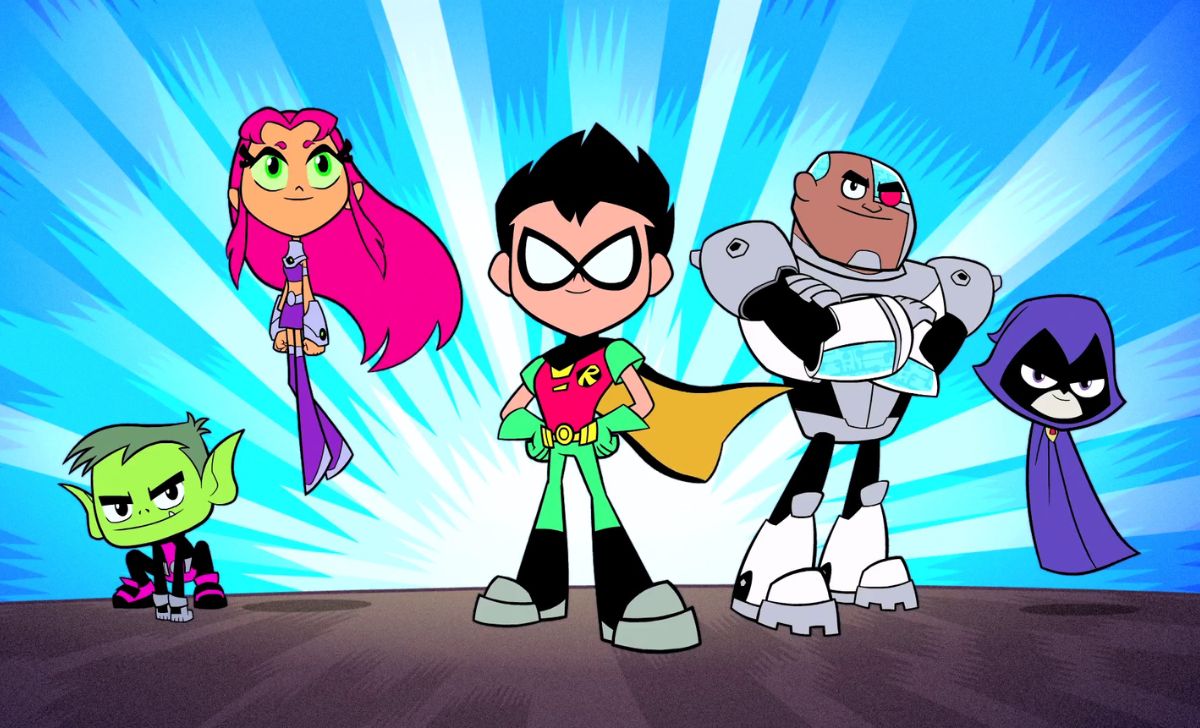
Issue #22 of Teen Titans was pivotal. Written by Marv Wolfman and illustrated by Gil Kane, it provided Donna Troy with her first proper origin story—although continuity issues between the Wonder Woman and Teen Titans comics made things complicated. This issue also introduced her iconic red costume, which she stitched herself, and solidified her role as the heart of the team.
As the series progressed, more characters joined the Titans’ ranks. Lilith Clay, a telepathic empath, debuted as Donna’s best friend. Mal Duncan became another regular member, followed by brief alliances with Hawk and Dove. The idea of expanding beyond the core four became a defining element of the team, showing how inclusive and flexible their roster could be.
Despite growing fan love, the series struggled with sales and was canceled with issue #43 in 1973. However, like true heroes, the Titans refused to stay down for long.
Teen Titans West and the 1970s Relaunch
In 1976, the team returned with issue #44, reigniting their adventures. This era introduced the concept of Teen Titans West, a new division that included characters like Bat-Girl (Betty Kane) and Golden Eagle. Although it offered a fresh angle, the series could not sustain its momentum and was permanently canceled in 1978 with issue #53.
Even though the 1970s ended without the Titans in print, the stage was set for their renaissance—a rebirth that would redefine DC Comics in the 1980s.
The New Teen Titans Era (1980s–1990s)
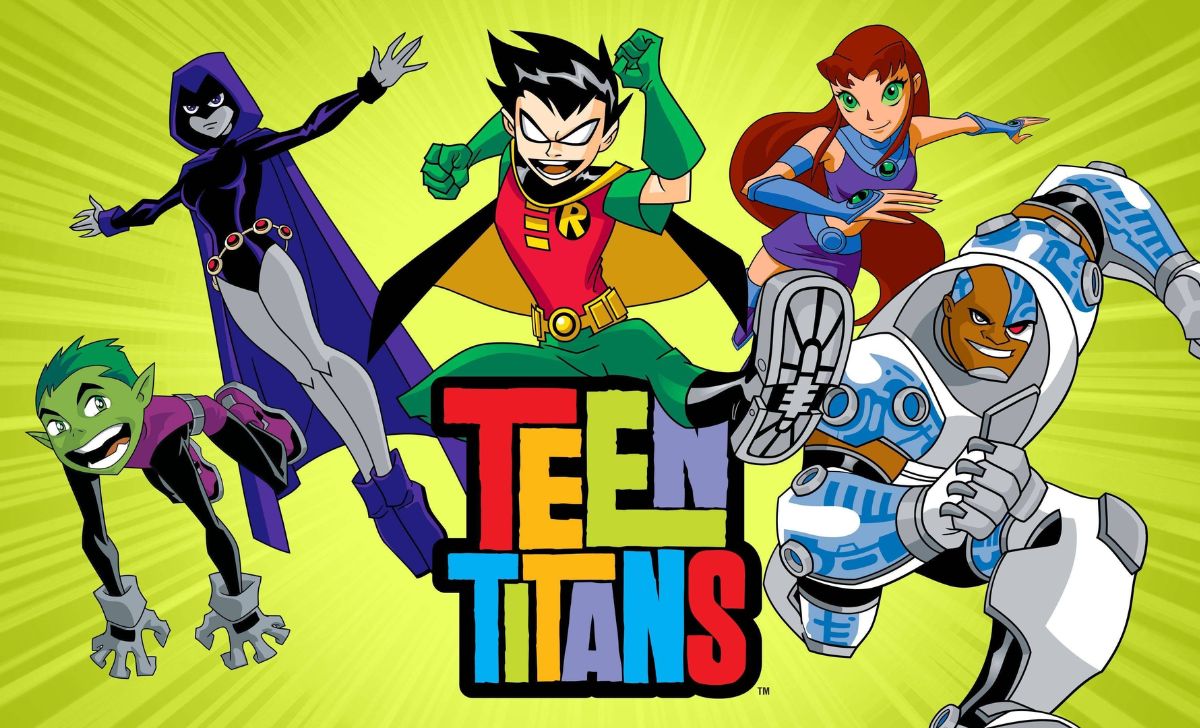
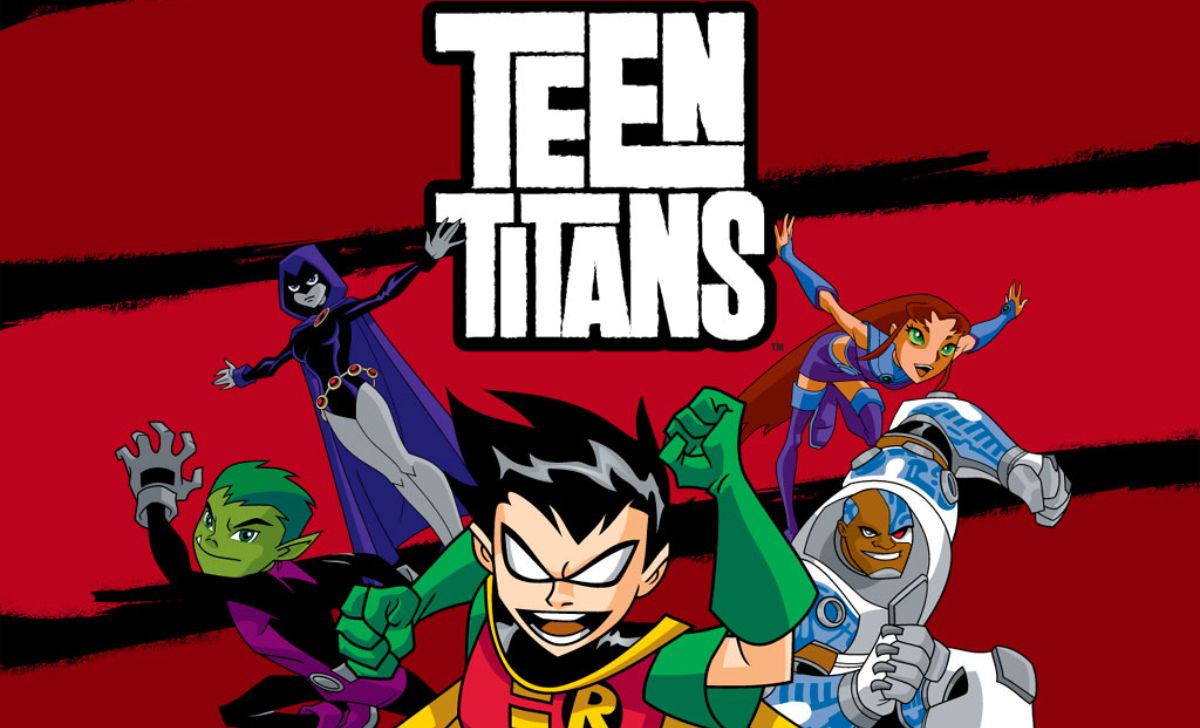
In 1980, The New Teen Titans emerged, created by Marv Wolfman and legendary artist George Pérez. This version stands as the definitive incarnation of the team. The core members—Robin, Kid Flash, Wonder Girl, Beast Boy (renamed Changeling), Cyborg, Starfire, and Raven—embodied both diversity and depth.
The story began with Raven assembling the group to fight her demonic father, Trigon. This arc established not only a central conflict but also the emotional heartbeat of the Titans: young heroes uniting to face personal demons, literally and figuratively.
Wolfman and Pérez created layered narratives filled with interpersonal drama, politics, and mature storytelling unseen in earlier versions. The chemistry between Starfire and Robin evolved into one of DC’s most iconic romances, while Cyborg’s identity crisis struck emotional chords with readers. Raven’s internal battle with darkness became a symbol of teenage conflict.
Key Storylines and Characters
One of the series’ earliest milestones was the introduction of Deathstroke the Terminator in The New Teen Titans #2. Originally hired to eliminate the Titans after his son Ravager failed the mission, Deathstroke would become one of the team’s most persistent foes—and one of DC’s most popular villains.
Then came The Judas Contract (1984), widely regarded as one of the greatest DC storylines ever written. This arc introduced the traitorous Terra, explored betrayal and trust, and culminated in the transformation of Dick Grayson into Nightwing. Wally West, meanwhile, retired from his Kid Flash identity, adding to the series’ emotional realism.
Over the years, the team roster expanded and evolved, with characters such as Jericho—Deathstroke’s other son—joining the cause. The Tales of the Teen Titans rebranding in issue #41 marked the maturation of the title. Between its character-driven plots and Pérez’s stunning artwork, this series solidified the Titans as equals—not imitators—of the Justice League.
The 1990s: Transition and Reinvention
The Titans continued into the 1990s with new creative teams and changing lineups. A rebooted Teen Titans series from 1996 to 1998, written by Dan Jurgens and illustrated by George Pérez, introduced a largely original team including characters like Risk, Argent, and Joto. However, fans found it difficult to connect with these new faces, and the series ended after a short run.
Following this, The Titans (1999–2003) reunited the classic heroes as older, more seasoned veterans—Nightwing, Arsenal (formerly Speedy), Tempest (Aqualad grown up), Cyborg, Starfire, and Wally West as Flash. This book bridged the gap between the Teen Titans and adult superhero teams, giving long-time fans a nostalgic continuation of their favorite heroes’ stories.
A New Millennium: Young Justice and Geoff Johns’ Titans
In parallel, Young Justice rose in the late 1990s, following a younger team led by Superboy, Robin (Tim Drake), and Impulse. This team infused humor, heart, and youthful rebellion into DC’s storytelling, eventually inspiring the famous animated series.
By 2003, a new Teen Titans series by writer Geoff Johns reignited the spirit of the franchise. Combining the Young Justice lineup with veteran Titans such as Starfire and Cyborg, Johns crafted an incredible balance of action, character development, and nostalgia. The introduction of Miss Martian expanded the universe further, connecting readers to modern DC continuity.
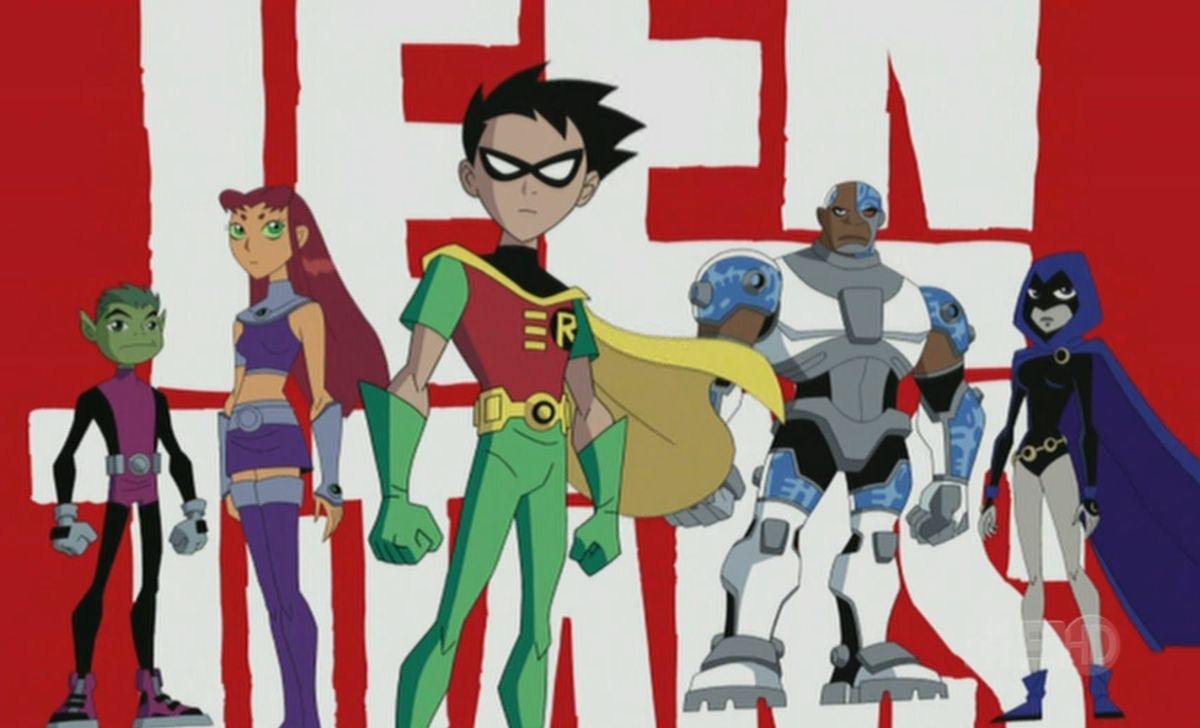
This run coincided with the hit animated Teen Titans show, helping cement the team’s mainstream popularity. The synergy between comics and animation rejuvenated the Titans for a new generation.
The New 52 and Rebirth Eras
After DC’s 2011 New 52 reboot, the Teen Titans were reimagined once more—but this version was riddled with continuity problems. Early editorial statements declared that no previous Titans teams had existed, contradicting the stories that directly referenced them. Tim Drake, now called Red Robin, led a team featuring Wonder Girl, Kid Flash (Bart Allen), Superboy, Bunker, Solstice, and Beast Boy. Despite strong art and action, fans found the lack of legacy disappointing.
Thankfully, DC Rebirth restored much of what fans loved. Teen Titans Rebirth introduced Damian Wayne as team leader—a bold choice that breathed new life into the group. His assertive personality and contrast with older members like Starfire, Raven, and Beast Boy created hilarious and heartfelt situations. This era mirrored Raven’s original role in forming the Titans, as Damian assembled his friends to take down his own grandfather, Ra’s al Ghul.
Simultaneously, the Titans series followed the older heroes—Nightwing, Donna Troy, and the red-haired Wally West—reuniting after his return from the Speed Force. Their stories reconnected threads lost during the New 52, restoring continuity and emotional stakes.
The Titans’ Enemies
Throughout their history, the Teen Titans have faced a gallery of memorable villains. Foremost among them is Deathstroke, whose complex motives and tactical genius make him both a nemesis and, at times, a reluctant ally. His debut in their second issue set the tone for decades of conflict.
Next is Trigon, Raven’s demon father. As a cosmic-level threat bent on multiversal conquest, Trigon remains one of the most dangerous adversaries in DC’s supernatural lore. His battles with the Titans often blur the lines between family drama and apocalyptic warfare.
Other recurring enemies include Cheshire—one of the world’s deadliest assassins—who shares a complicated history with Arsenal; Brother Blood, the vampiric cult leader with the power to manipulate minds; and Blackfire, Starfire’s bitter sister. Each challenge the Titans differently, both emotionally and physically.
Essential Teen Titans Comics
For those eager to explore their history firsthand, here are some must-read storylines:
- The Judas Contract (1984) – The definitive Teen Titans story that shaped modern DC Comics.
- Teen Titans by Geoff Johns, Book One – A modern classic merging youthful energy with emotional depth.
- Teen Titans: The Silver Age, Volume 1 – A colorful collection of their earliest adventures.
- Teen Titans: Volume 1 – Damian Knows Best (Rebirth) – A clever and fresh new interpretation led by Damian Wayne.
- Titans: Volume 1 – The Return of Wally West – The emotional heart of the Rebirth era.