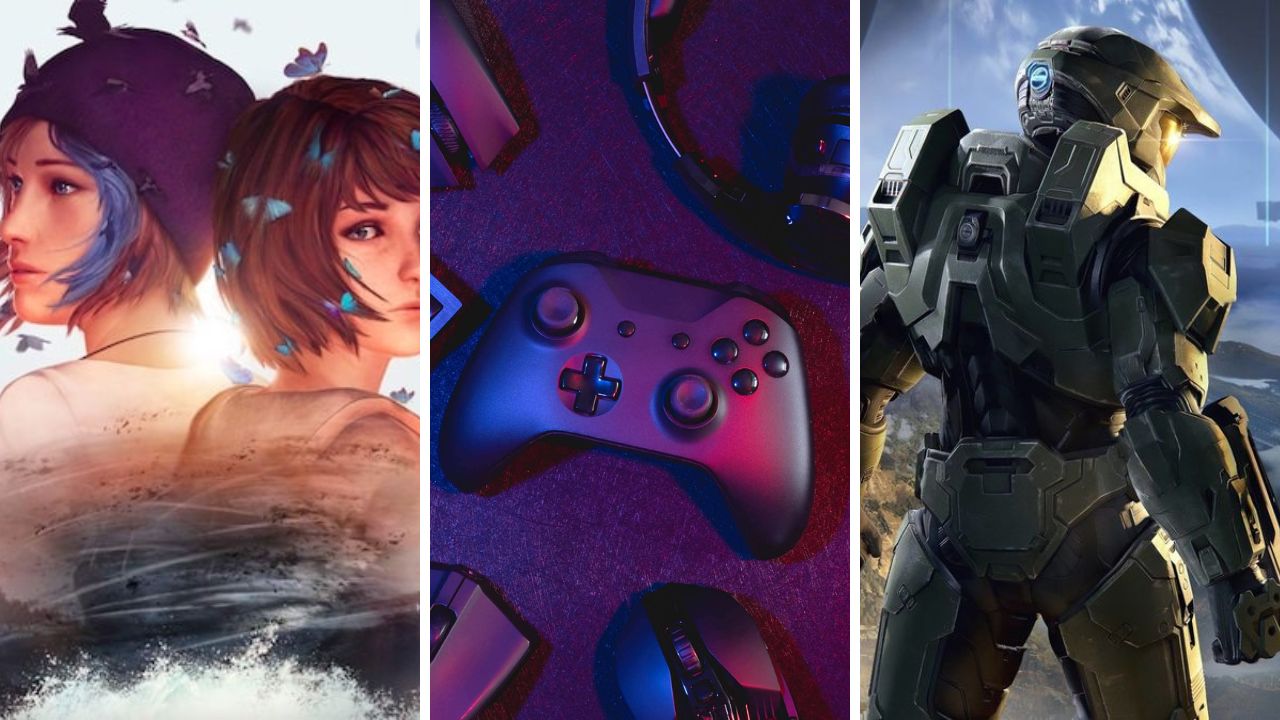
In 2026, the relationship between video games and literature has entered a new phase of ambition and cohesion. What was once a straightforward marketing extension has matured into a fully integrated storytelling strategy, where novels are no longer side projects but essential components of expansive narrative universes. As games grow more cinematic and technically immersive, readers are seeking deeper psychological insight, political nuance, and emotional continuity beyond the controller. The best video game novelizations of the year “2026” don’t simply replay familiar story beats. Instead, they widen the lens—exploring backstories, moral fractures, and unseen consequences that gameplay often leaves in the margins. In an era defined by connected storytelling ecosystems, the journey from console to page has become not just complementary, but indispensable.
The Inflection Point of Transmedia Narratology
Industry analysts have identified 2026 as a critical inflection point for transmedia projects, driven by a variety of goals ranging from IP expansion to attracting entirely new audiences through multiple formats. For experts in the field, the shift is audience-led; modern fans no longer engage with worlds in a single place or format. Instead, they move between games, social media, film, fashion, and literature, expecting a continuity of identity and utility across every touchpoint. This change has profound implications for how studios think about the value and longevity of their properties. Successful IPs are now designed with “multiple entrances and no hard exits,” ensuring that if a property cannot evolve across formats, it will likely struggle to survive the shifting behaviors of the current audience.
The transmedia expansion of 2026 is rooted in a desire to inhabit worlds rather than just consume products. This is reflected in the success of immersive shows, festivals, and festivals that allow fans to physically step into the settings they love. Within the literary domain, this translates to books that offer “worldbuilding, not just products,” strengthening the core story rather than diluting it. The role of the creator has also evolved, with streamers and theorists building alternative narratives that eventually become part of the wider canon, a process that studios are increasingly recognizing as a core discipline rather than a marketing byproduct.
| Publication Month | Title | Author / Publisher | Franchise |
| December 2025 | Halo: Edge of Dawn | Kelly Gay / Gallery Books | Halo |
| January 2026 | Halo: Cryptum (Reprint) | Greg Bear / Titan Books | Halo |
| February 2026 | The Art of Death Stranding 2 | Kojima Prod. / Titan Books | Death Stranding |
| April 2026 | The Lost Horadrim | Matthew J. Kirby / Random House | Diablo IV |
| June 2026 | Halo: Silentium (Reprint) | Greg Bear / Titan Books | Halo |
| August 2026 | Life is Strange: Out of Focus | Rosiee Thor / Titan Books | Life is Strange |
| September 2026 | Resident Evil (Film Novelization) | Sony Pictures Releasing | Resident Evil |
| November 2026 | Crossroads: The War Within | Adam Christopher et al. / Blizzard | World of Warcraft |
Psychological Realism in the Post-Infinite Era: Halo: Edge of Dawn
Perhaps the most significant literary achievement in the sci-fi gaming space this year is Halo: Edge of Dawn by Kelly Gay. Released in the final weeks of 2025 and dominating the discussion throughout 2026, this novel picks up immediately after the conclusion of the Halo Infinite campaign. It serves as a narrative bridge, spending several weeks exploring the aftermath of the battle on Zeta Halo and the psychological state of the three main characters: John-117 (the Master Chief), Fernando Esparza (the Pilot), and the Weapon.
The narrative is a deeply empathetic look at loss and trauma, themes that are often underserved in the fast-paced, mission-driven structure of a first-person shooter. By focusing on “three separately traumatized people” who are bonded together by a new, shared tragedy, Gay provides a level of character depth that humanizes the Master Chief in a way that feels authentic to his decades of service. In Edge of Dawn, John-117 is portrayed not as a dull-witted weapon, but as an intelligent leader with massive experience, navigating stressful situations with a level of indifference born from having been at war for nearly his entire life.
Identity and the Weapon’s New Legacy
A pivotal moment in the novel is the official naming of the Weapon, an AI companion who chooses the name Joyeuse. This selection is rich in historical and literary resonance, referencing the legendary sword of Charlemagne and establishing Joyeuse as an individual with her own unique identity, separate from but linked to her “sister” Cortana. This act of self-naming is symbolic of the broader theme of absolution and the forging of new legacies that permeates the book.
The novel also expands on the lore of the Xalanyn, or the Endless, through the character of Lucas Browning, a young combat medic imprisoned by the Banished. Browning holds secrets placed in his mind by the Harbinger, which lead the Master Chief to delve into the deeper mysteries of Zeta Halo. The “Harbinger’s Lament,” a poetic segment within the book, suggests a profound connection between the Endless and the Precursors, hinting that the Xalanyn were created by the Precursor AI Abaddon using “dust”. This information provides essential context for the upcoming Halo 7, potentially introducing the Arbiter and the Swords of Sanghelios back into the primary conflict.
Audio and Immersive Transmedia
The audiobook version of Edge of Dawn represents a high-water mark for transmedia production, featuring the original voice cast from the games. Steve Downes, Jen Taylor, and Nicolas Roye reprise their roles as the Master Chief, Joyeuse, and Fernando Esparza, respectively, while Debra Wilson narrates segments featuring the Harbinger. This auditory continuity reinforces the idea that the novel is not an “alternative” version of the story but a canonical extension of the game world itself.
| Character | Voice Actor / Narrator | Role in Edge of Dawn |
| John-117 | Steve Downes | Protagonist / Psychological Focus |
| Joyeuse | Jen Taylor | AI Companion / Search for Identity |
| Fernando Esparza | Nicolas Roye | Support / Dealing with Trauma |
| The Harbinger | Debra Wilson | Antagonist / Lore Deposition |
| Lucas Browning | Nicolas Roye | Captured Medic / Lore Key |
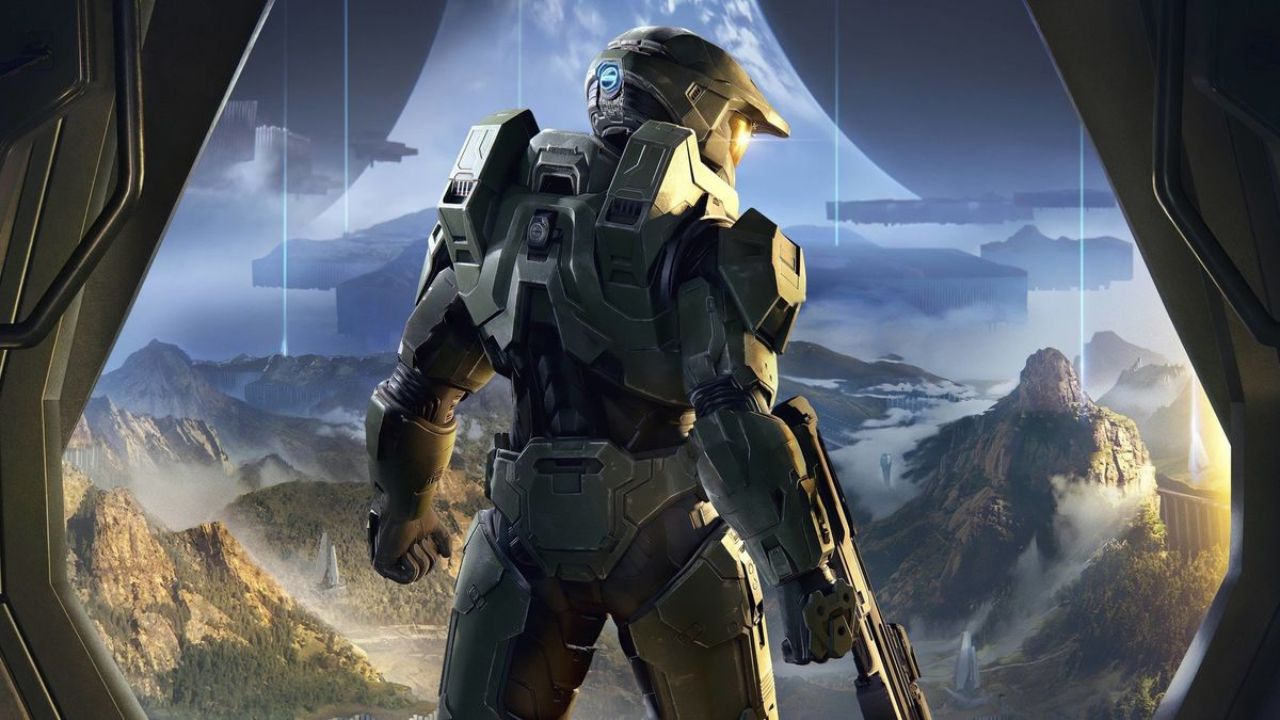
Dark Fantasy and Political Intrigue: Diablo IV: The Lost Horadrim
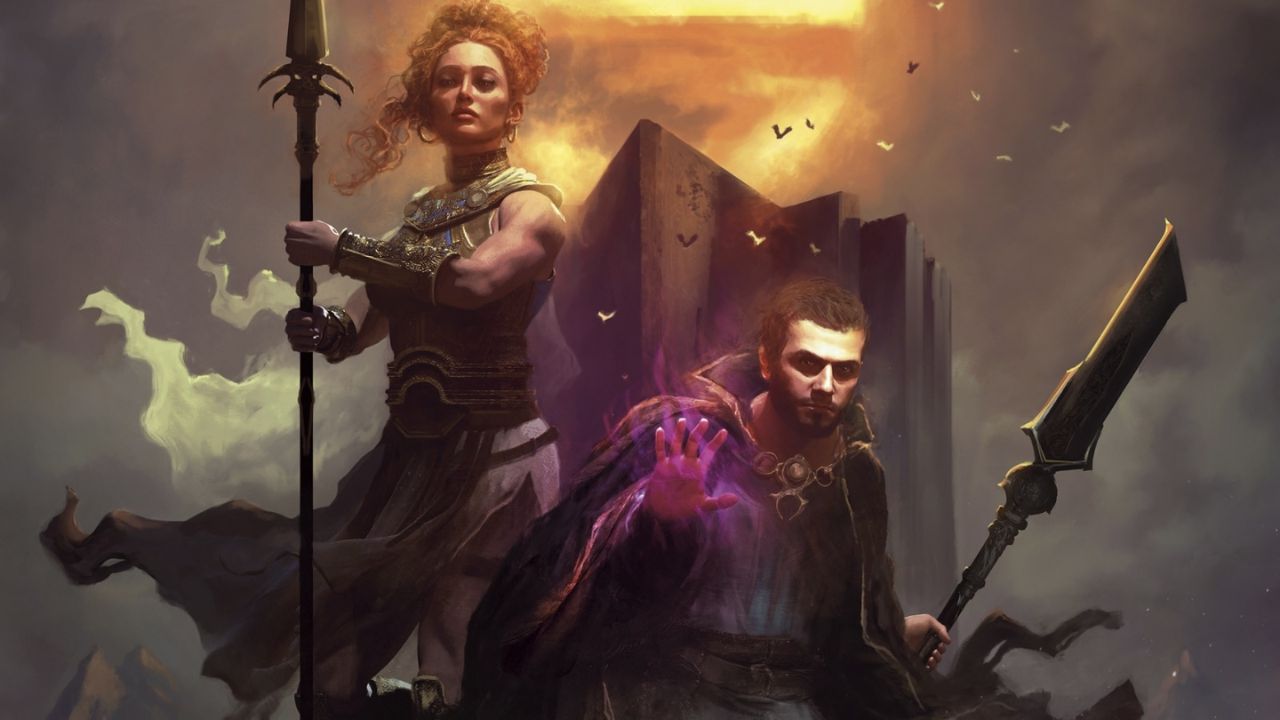
As players await the Lord of Hatred expansion for Diablo IV, Matthew J. Kirby’s prequel novel The Lost Horadrim has become an essential read for those wishing to understand the historical context of the new region, the Skovos Isles. Set nearly 50 years before the events of the expansion, the story follows a younger Lorath Nahr as he ventures into the isles alongside Tyrael and Donan.
The novel centers on the struggle of the Horadric order to gain a foothold in a world decimated by Malthael’s Reaping. The narrative highlights a unique tension: while the Horadrim are accustomed to fighting the Burning Hells, they are far less prepared for the depravity and political corruption arising within their fellow humans. This focus on human sociopolitical conflict adds a layer of maturity to the Diablo universe, showing that the threats to Sanctuary are not always supernatural.
The Skovos Isles and the Askari Alliance
In the Skovos Isles, the birthplace of the firstborn Nephalem, Lorath and his companions must forge an uneasy alliance with the Askari (Amazon) warriors and their leader, Adreona. The Askari are under constant threat from the Drowned and internal public unrest, mirroring the real-world complexities of diplomatic relations in times of crisis. Kirby’s writing explores the burgeoning relationship between Lorath and Adreona, a bond that remains central in the Lord of Hatred expansion where Adreona has ascended to the rank of Queen.
| Region / Faction | Key Character | Narrative Significance in 2026 |
| The Horadrim | Lorath Nahr | Protagonist / Historical Foundation |
| Skovos Isles | Adreona | Prequel Ally / Future Queen in Game |
| The Askari | Sho-Ren | Missing Horadrim / Catalyst for Quest |
| Burning Hells | Mephisto | Looming Threat / Subject of Expansion |
Anthology as a Bridge: World of Warcraft: Crossroads
The release of World of Warcraft: Crossroads: The War Within Anthology exemplifies the shift toward character-focused storytelling in the long-running MMO. Following the fall of Dalaran and the battles beneath Khaz Algar, the anthology features novellas and short stories centered on Thrall, Jaina Proudmoore, Alleria Windrunner, and Anduin Wrynn.
The critical reception of the War Within expansion has noted a significant step up in storytelling, with a renewed focus on “tender interactions” and “worldbuilding” over constant cosmic catastrophes. The anthology leans into this trend, providing stand-out stories like Jonathan Maberry’s exploration of Thrall’s relationship with his son and Delilah Dawson’s tense, bittersweet portrayal of Alleria’s journey back to Silvermoon.
Addressing the Narrative Limitations of the MMO
A recurring critique of World of Warcraft‘s in-game narrative is that the “daily grind” and the presence of other players often disrupt the emotional impact of cutscenes and dialogue. The Crossroads anthology allows these characters to “grapple with their next steps” in a siloed, prose environment where their inner monologues can be fully explored. For example, Christie Golden’s story about Anduin between the events of Shadowlands and The War Within examines mental health and the effects of war on the “normal” people of Azeroth, adding a level of psychological depth that is difficult to convey during a 25-player raid.
| Character | Author | Primary Theme |
| Thrall | Jonathan Maberry | Fatherhood and Peace |
| Alleria Windrunner | Delilah S. Dawson | Motherhood and the Void |
| Anduin Wrynn | Christie Golden | Mental Health and Sadness |
| Faerin Lothar | Courtney Alameda | Action and Paladin Duties |
| Goblins | Andrew Robinson | Society and Unions |
Emotional Intimacy and Punk Aesthetics: Life is Strange: Out of Focus
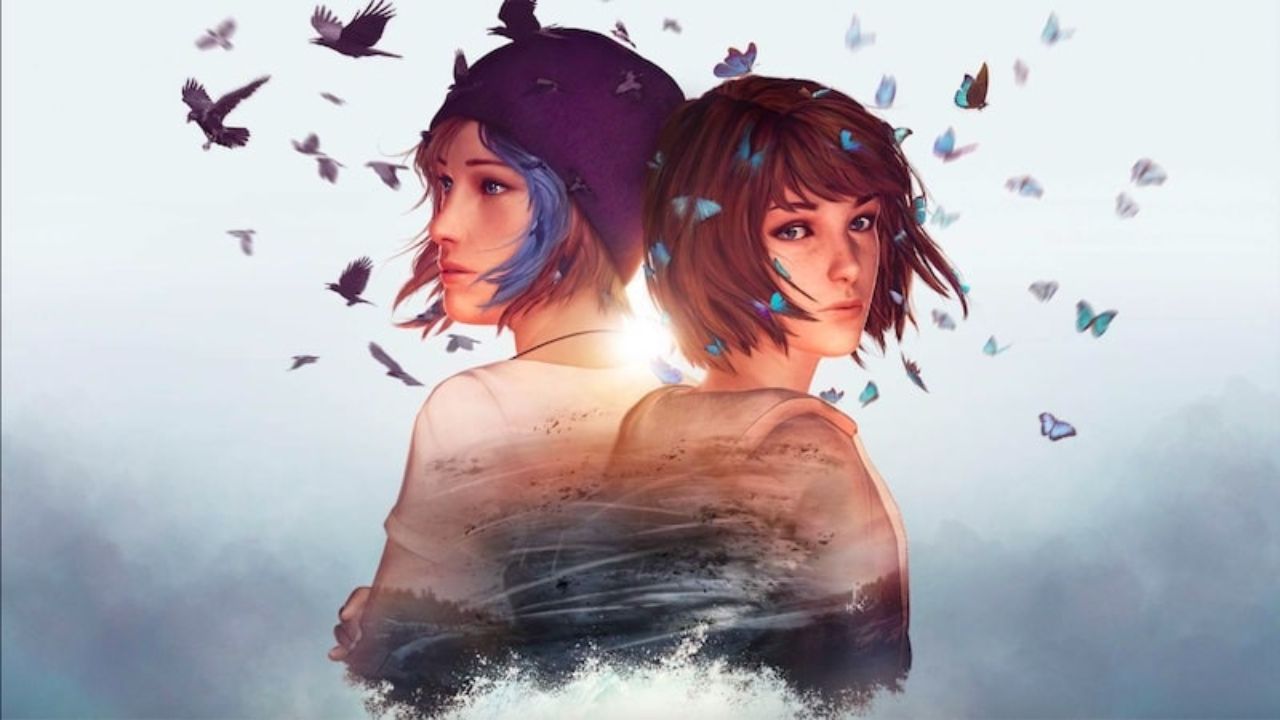
The Life is Strange universe continues to expand through the work of Rosiee Thor, whose 2026 novel Out of Focus follows the punk band Drugstore Makeup. Thor, an aromantic asexual author, brings a distinct perspective to the series’ tradition of queer representation, focusing on “queer kids having adventures and saving the day”.
The narrative centers on Izzie Margolis and her band as they chase success on the cusp of a big break. Thor’s writing is praised for its ability to give secondary characters like Izzie a sense of gravity and history, ensuring they do not feel like “placeholder” characters. The story chronicles the “in-between years” following the destruction of Arcadia Bay, centering on the highs and lows of a relationship that is both energetic and “bittersweet”.
The Lore Compendium as a Literary Form: Elden Ring and Hollow Knight
In 2026, the traditional novelization is joined by high-end lore compendiums that function as essential narrative guides. The most prominent example is Lore Bound: Elden Ring Explained by VaatiVidya, which synthesizes the fragmented storytelling of FromSoftware into a cohesive study of the lore. With a deluxe edition delivery estimated for Q3 2026, the book is priced as a premium collectible, reflecting the “artistic style and majestic melancholy” that fans have come to associate with the game.
Similarly, the Russian release of Explorer Hollow Knight: Hallownest under a microscope by David Torres provides a deep analysis of the lore and the difficulties faced by the developers at Team Cherry. These books are particularly relevant in 2026 as both Elden Ring and Hollow Knight receive expanded editions or upgrades for the Nintendo Switch 2, bringing these stories to a new generation of players.
| Game | Lore Book Title | Release Year (2026) | Focus |
| Elden Ring | Lore Bound | Q3 2026 | Comprehensive Narrative Analysis |
| Hollow Knight | Explorer Hollow Knight | 2026 | Developer History and Lore |
| Hollow Knight | Wanderer’s Journal | 2026 (Reprint) | Environmental Guide |
| Death Stranding 2 | The Art of Death Stranding 2 | February 2026 | Visual Worldbuilding |
Interactive Fiction and the Authorial Voice
The boundary between “game” and “book” is further blurred by the rise of interactive fiction in 2026. Titles from Choice of Games and Heart’s Choice are entirely text-based but offer branching narratives that allow for high levels of player agency. Hearts in Hades: Divine Passion, a 160,000-word interactive romance by Lidia Molina Whyte, allows players to “seduce the man of your dreams as the goddess of nightmares,” honoring or challenging the gods of Olympus.
This form of storytelling is a direct descendant of the Fighting Fantasy books, utilizing “dice mechanics and skill checks” to determine the outcome of the narrative. For many, these titles represent the “novel” part of the visual novel in action, creating an atmosphere that is conducive to absorbing massive amounts of text while maintaining the tension of a traditional game.
Empathy in the Machine: Citizen Sleeper 2
The sequel to the acclaimed RPG, Citizen Sleeper 2: Starward Vector, has been hailed as one of the best narrative experiences of 2026. Developed by Jump Over the Age, the game uses light dice mechanics to tell a story about survival, community, and choice in a ramshackle asteroid belt. The prose is “thoughtful” and “empathetic,” distinguishing itself from other sci-fi by focusing on the day-to-day struggles of the marginalized rather than a grand revolution.
The game’s creator, Gareth Damian Martin, cites tabletop games like Blades in the Dark and Mothership as primary influences, aiming to create a “human, hopeful, busted-up sci-fi story”. By early 2026, the game had been played by 2.5 million “sleepers,” demonstrating the massive appeal of text-driven, emotionally resonant storytelling in the digital age.
Theoretical Framework: The Challenge of the Silent Protagonist
A significant theme in the best novelizations of 2026 is how they handle the “Silent Protagonist.” In many JRPGs and action-adventure games, the main character is silent to allow for player “self-insertion”. However, in a novel, this can lead to a narrative disconnect, as the lack of dialogue makes it difficult for other characters to interact with them in a meaningful way.
Experts suggest that a silent protagonist works best in games where the storytelling is “environmental,” such as Dark Souls or Metroid, where the character’s reactions often mirror the player’s own surprise or dread. In novelizations, authors often “fill in the gaps” by providing a rich internal monologue or by shifting the perspective to non-player characters (NPCs) who observe the protagonist. This approach transforms the silent protagonist from a blank window into a “chisel sculpting a statue,” defined by their actions and the choices they make in a mysterious world.
| Protagonist Type | Novelization Strategy | Example |
| Completely Silent | Environmental cues / NPC POV | Hollow Knight: Wanderer’s Journal |
| “Grunt and Wahoo” | Expansion of action into thought | Mario Tennis Fever (Implied) |
| “The Subtitle” | Internal monologue / Written lines | Final Fantasy VII Remake Intergrade |
| Voiced / Expressive | Psychological realism / Trauma focus | Halo: Edge of Dawn |

The Economic Context: Publication Cycles and Global Markets
The publication of video game novelizations in 2026 is also shaped by global market trends and technological shifts. The move toward “platform convergence” means that boundaries between console, mobile, and PC are breaking down, allowing developers and publishers to reach as many players as possible from the start.
This has led to a rise in simultaneous launches for games and their accompanying literature. For instance, the expansion of the Choice of Rebels: Stormwright series on Steam coincided with the release of new ChoiceScript titles, allowing for a unified marketing effort. In the indie space, physical products like art books and tabletop RPGs (e.g., Cycles of the Eye) are being bundled with digital games to create a “Helion Collection,” driving engagement through a mix of digital and physical ownership.
Regional Variations and Localization
The Russian market has seen a surge in interest in the “history of indie games” and the “lore of Hallownest,” with the publishing house Bombora acquiring the rights to Torres’ Explorer Hollow Knight. Similarly, Citizen Sleeper 2 has welcomed new players through localization into French, Japanese, and Simplified Chinese, demonstrating that narrative-heavy games have a global footprint in 2026.
Conclusion: The Horizon of Transmedia Literature
As the industry looks toward 2027, the trend of “From Console to Page” shows no signs of slowing. The successful integration of lore, psychological depth, and political critique into the novelizations of 2026 has set a new standard for what fans expect from transmedia. Whether it is the gritty, corporate-driven heist of Cyberpunk 2077: No Coincidence or the hopeful, survivalist struggle of Citizen Sleeper 2, these books provide a necessary sanctuary for stories that are too complex to be told by code alone.
The “Connected Storytelling Ecosystem” of 2026 is one where the book is not a mere supplement, but a vital organ in the body of the IP. By allowing characters to speak where they were once silent, and by giving context to the ancient ruins of digital worlds, these novelizations ensure that the stories we play on our consoles continue to resonate in our minds long after the screen has faded to black.