

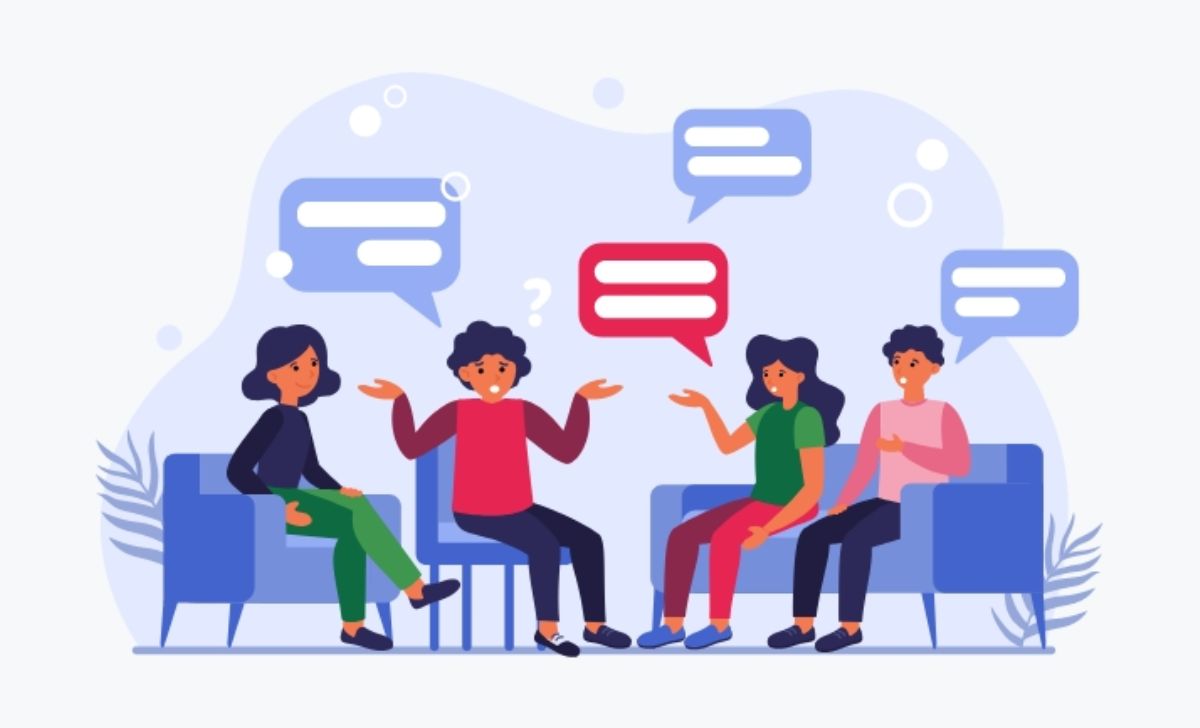
Every time you buy a product or stay loyal to a brand, you’re making a choice. Advertisers have long tried to understand the why behind those choices. Numbers like sales figures or polls can only explain so much. To dig deeper, companies needed a way to uncover the reasoning—and sometimes the unconscious motivations—behind consumer decisions. That’s where the focus group came in.
The Origins of Focus Groups
Before the 1940s, market research mostly meant collecting statistics. Businesses relied on surveys and purchase data to measure consumption. But during World War II, sociologists Robert Merton and Paul Lazarsfeld wanted to understand something new: how people were reacting to wartime propaganda.
Instead of simply polling thousands of citizens, they interviewed smaller groups and encouraged open-ended discussions. These sessions revealed not just what people thought, but why they thought it.
Later, advertising experts saw the potential in this approach. Austrian-born psychologist Ernest Dichter, who later coined the term focus group, helped bring this method into mainstream marketing.
A Shift to Qualitative Research
Focus groups weren’t about producing statistics. Instead, they explored the nature of people’s thoughts, preferences, and hidden motivations. Businesses began to use them as a way to generate new ideas, discover untapped consumer desires, and understand habits on a more personal level.
For example, researchers once learned that women often had more say than men in choosing a family car—something carmakers had overlooked. As a result, Chrysler shifted its marketing to appeal directly to women. Ernest Dichter himself ran focus groups for Mattel, which revealed what young girls wanted in a doll. The outcome was the creation of the iconic Barbie.
How a Focus Group Works
Running a focus group requires careful planning. Companies typically gather six to ten participants who fit specific criteria. These might be:
- Mothers with children of a certain age.
- Teenagers planning to buy a phone soon.
Recruiters often manage lists of people willing to participate in exchange for payment or rewards.
Once inside the session, a moderator leads the discussion. Participants may be asked to react to a product, an advertisement, or even perform creative tasks—like imagining what kind of animal a brand would be in a zoo. These unusual exercises often reveal deeper emotions and perceptions that straightforward questions miss.

Variations and Methods
Focus groups don’t always follow one format. Some sessions use multiple moderators who take opposing stances to spark debate. In other cases, a researcher might join secretly as a participant to see how group dynamics shape answers.
Often, researchers watch the process through a one-way mirror to observe without interfering. The design of a focus group is flexible, but the ultimate goal remains the same: to understand consumer behavior more deeply.
The Limitations of Focus Groups
As valuable as focus groups can be, they aren’t perfect. One of the biggest challenges is observer interference. People behave differently when they know they’re being studied. Their answers may also be swayed by social pressure from the group.
On top of that, focus groups usually involve small groups of people, which makes it hard to generalize the results. For that reason, insights from focus groups are often followed up with experiments and large-scale data gathering. This helps companies figure out how many customers share the same opinions and what price points they would accept.
Why They Still Matter
Even as technology transforms how businesses study customers, focus groups have largely stayed the same. They provide something that statistics and algorithms can’t replace: genuine human interaction. Sometimes, the best way to uncover consumer truth is still to sit people down, ask questions, and listen closely to what they have to say.