
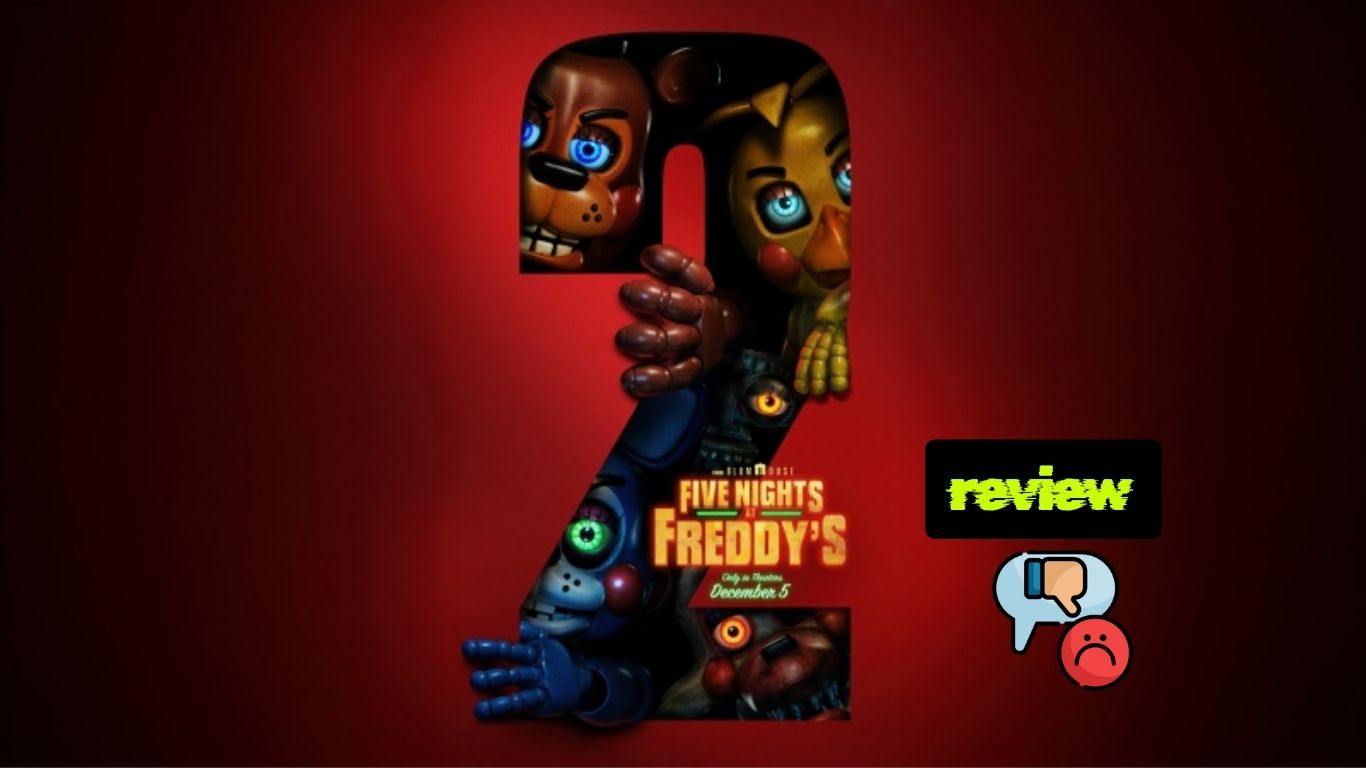
Five Nights at Freddy’s 2 arrives as a disappointing follow-up to its predecessor, delivering technically impressive practical effects while stumbling through nearly every other filmmaking element. Director Emma Tammi returns to helm this supernatural slasher, but this time the film finds itself weighed down by a poorly constructed narrative and a fundamental misunderstanding of how to adapt video game mechanics to cinema.
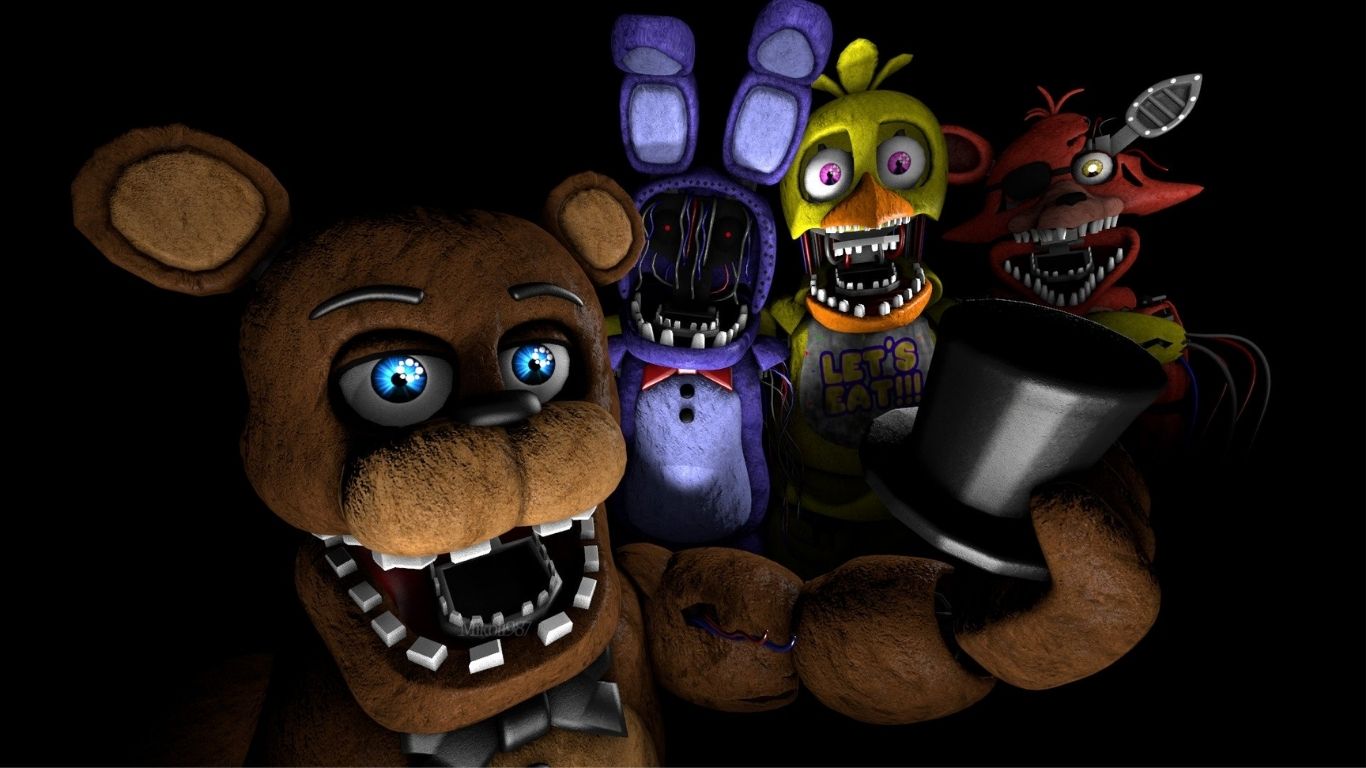
The most commendable aspect of the film lies in the work of Jim Henson’s Creature Shop, which has expanded its roster of animatronic creatures. The sleek “Toy” versions of Freddy’s gang stand alongside the original, fuzzier iterations, creating an impressive visual presence that dominates the screen. The Marionette, in particular, possesses an unsettling quality with its noodle-like movements and dangling limbs that contrasts sharply with the robotic motions of other mascots. Foxy’s “Mangle” form—a failed pull-apart activity experiment—presents a genuinely freakish junkyard aesthetic. These practical effects achievements represent some of the film’s only genuine craftsmanship.
A Story That Can’t Support Its Own Mythology
The narrative struggles to justify its own complexity. Set 20 years after a tragic incident at the original Freddy Fazbear’s Pizza location, the film attempts to explain how the spirits of murdered children became bound to animatronic suits. A girl named Charlotte witnessed a young boy being taken by Freddy, a serial killer-chronicles-book-1/”>killer in costume, only to be killed herself in front of the gathered crowd. Her spirit has since fused with the Marionette, creating a vengeful entity determined to wreak havoc.
Mike Schmidt, returning from the first film and portrayed by Josh Hutcherson, finds himself drawn back to the abandoned restaurant alongside his younger sister Abby, played by Piper Rubio. Abby’s belief that she can reconnect with the child ghosts trapped within the mascots sets the plot in motion. Elizabeth Lail returns as Vanessa Shelly, the daughter of the original killer-chronicles-book-1/”>killer William Afton, attempting to contain the supernatural threats now unleashed. This convoluted setup exists primarily to transition between weakly staged monster attacks rather than to propel a coherent story forward.
Creative Ambitions Undercut by Lazy Execution
Screenwriter and franchise creator Scott Cawthon takes sole writing credit for the sequel, and the absence of co-writers Emma Tammi and Seth Cuddeback—who collaborated on the first film—becomes immediately apparent. Where the original film demonstrated restraint and cleverness in adapting the source material, this sequel treats the movie as a vehicle for video game lore rather than a standalone cinematic experience.
The film’s approach to horror relies almost exclusively on jump scares, a tactic that quickly becomes predictable and ineffective. The Marionette possesses humans and transforms them into wide-eyed demons, but the film squanders this eerie concept through poor execution. A particularly unfortunate choice involves using an Instagram face-filter aesthetic whenever Charlotte inhabits a body—an element that undermines any genuine creepiness. The violence is staged with such restraint that it feels neutered, as though the filmmakers were constantly conscious of maintaining a PG-13 rating.
The Video Game Adaptation Problem
The fundamental issue stems from Cawthon’s rigid adherence to video game mechanics without understanding how they translate to film. The original Five Nights at Freddy’s movie succeeded because it evolved the “security guard in a room” gameplay into a feature-length adventure rather than merely recreating button-pressing scenarios on screen. This sequel takes a step backward, padding the narrative with Easter eggs and callback mechanics that feel hollow in a theatrical context. Seeing characters react to red and green buttons or reference “Balloon Boy” plays as fan service rather than genuine storytelling elements.
The game franchise itself is a convoluted mess of continuity—a quality that functions in interactive entertainment where gameplay can compensate for narrative gaps. In cinema, however, where storytelling carries primary importance, this approach crumbles. The sequel treats exposition with baffling inconsistency, coyly withholding crucial information while dumping revelations at narratively inappropriate moments.
A Third Act That Doesn’t Exist
Perhaps most frustrating is the film’s complete failure to deliver a satisfying conclusion. Rather than providing narrative closure, the film functions as feature-length promotional material for future installments. Cawthon pelts audiences with lore dumps and cliffhanger endings that display a fundamental misunderstanding of cinematic structure. The film sets up numerous plot threads and reveals without any intention of resolving them, leaving viewers with a sense of incompleteness rather than satisfaction.
Performances That Can’t Salvage the Script
The cast members clearly struggle against the material. Hutcherson wanders through the film, present wherever the story requires a body but contributing little emotional weight. Lail attempts to inject trauma and depth into Vanessa’s character, but her portrayal becomes unintentionally comedic—pulling a gun on a spin class buddy during an emotional breakdown strains credibility. Rubio suffers particularly poor treatment, bullied by her science teacher in a subplot that feels disconnected from the larger narrative. Supporting performances from Skeet Ulrich, Mckenna Grace, Wayne Knight, and Theodus Crane are relegated to roles that range from rage-bait to anonymous sidekicks.
The Broader Problem with Franchise Filmmaking
Five Nights at Freddy’s 2 exemplifies the dangers of placing franchise mythology above storytelling fundamentals. Even considering the film’s dedicated fanbase, it’s difficult to identify who this movie actually serves. It panders to gamers through references without offering the interactive satisfaction that makes such callbacks meaningful in their original form. It attempts to be scarier than its predecessor through conventional PG-13 horror tropes, achieving only predictable tedium instead of genuine dread.
The comparison to Willy’s Wonderland—a 2021 indie horror comedy that reworked similar animatronic-in-restaurant concepts—proves illuminating. Despite earning only $450,000 at the box office, that Nicolas Cage vehicle generated inventive, genuinely violent creature attacks paired with hypnotic aesthetics. Five Nights at Freddy’s 2, projected to earn $60 million this weekend, represents slapdash product that never determines what it’s trying to be.
Final Verdict
Five Nights at Freddy’s 2 stands as a bare minimum sequel that lacks enthusiasm in every meaningful capacity. The impressive animatronics represent the film’s sole genuine achievement, making the surrounding mediocrity all the more disappointing. As a horror film, it lazily pushes characters toward danger and defangs scares through telegraphed jump cuts. As a video game adaptation, it mistakes mechanical callbacks for substantive storytelling. As a gateway horror experience for younger audiences, it would be overshadowed by superior PG-13 options like Insidious or Scary Stories to Tell in the Dark.
The film treats viewers with contempt, assuming they’ll accept incomplete narratives and shallow character development simply because the franchise has cultivated a dedicated audience. Without the creative contributions that made the first film functional, Cawthon defaults to a video game designer’s mindset that fundamentally doesn’t translate to cinema. The result is a sequel that gives franchises, video game adaptations, and gateway horror movies a collective black eye—a monument to how even impressive practical effects cannot salvage fatally flawed storytelling and creative direction.