
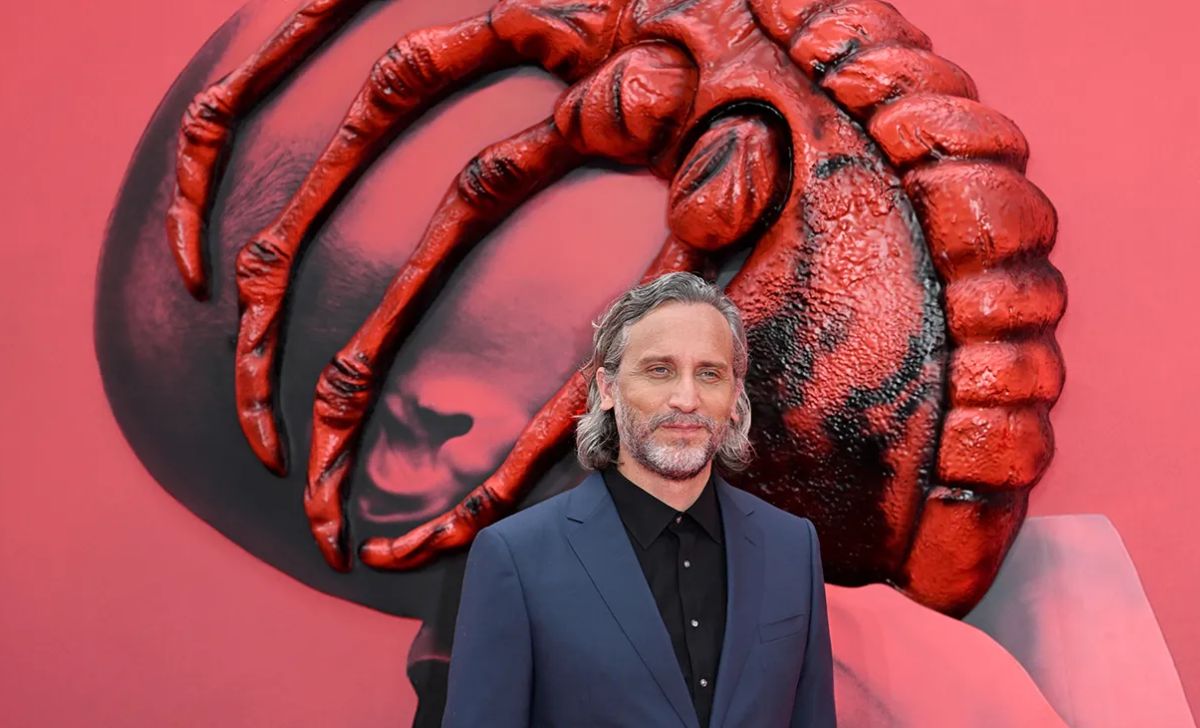
Fede Álvarez is handing off the director’s chair for the sequel to Alien: Romulus — but he isn’t leaving the franchise. After revitalizing the Xenomorph saga on the big screen, Álvarez told TooFab that he’ll remain a producer alongside franchise creator Ridley Scott while they search for a new filmmaker to direct the follow-up. The pair say the script is essentially finished and that the story will pick up where Romulus left off.
Álvarez steps back, stays on as producer
Álvarez confirmed he will “pass the torch” on directing the sequel but will continue to shepherd the project from a producing role with Scott. He explained that they wrote the story because they loved what they began with Romulus, and now want a director who’s eager to “go for the jugular.” In short: the creative core that delivered Romulus will still shape the sequel’s narrative even if someone new sits in the director’s chair.
Script, schedule and production status
According to Álvarez, the screenplay for the sequel is complete. Earlier this year he had been in pre-production and had indicated filming was expected to start in October; with him moving to producing duties, the next step is finding a director who shares the same appetite for tense, visceral horror. The producers will likely weigh filmmakers who can maintain the tight, claustrophobic tone that defined Romulus while also bringing their own strengths to the franchise.
Why the handoff matters (and why it’s familiar)
Franchises like Alien often change directors from installment to installment — Ridley Scott made the original in 1979, James Cameron followed with the hugely influential Aliens in 1986, and subsequent entries brought in filmmakers such as David Fincher and Jean-Pierre Jeunet. Álvarez’s decision to step aside echoes that tradition of passing the baton. Still, some fans see the timing as risky: Álvarez’s direction helped restore the franchise’s classic mix of dread and visual intensity, and replacing him while momentum is high naturally raises questions about preserving that tone.
How Romulus reset the franchise
Alien: Romulus returned the series to a more primal, close-quarters brand of terror after the more expansive, mythological turns of Prometheus and Alien: Covenant. Critics and audiences praised Romulus for its striking visuals, sudden shocks, and persistent atmosphere — qualities many felt most closely recalled the original film’s strengths. Financially, the film performed strongly: released August 16, 2024, on a reported $80 million budget it grossed roughly $351 million worldwide and earned solid scores on aggregator sites and audience platforms.

TV and the wider Alien universe
The franchise’s profile also benefits from television: Noah Hawley’s FX/Hulu prequel series Alien: Earth expanded the universe on the small screen and helped sustain audience interest. While TV can broaden the franchise’s lore, creators have frequently noted that a serialized, Earth-bound series can’t fully replicate the isolated, cosmic claustrophobia that remains the franchise’s signature on film — which makes preserving that feel in the sequels especially important.
Risks — and opportunities — for the sequel
Handing directing duties to someone new introduces both danger and potential. A mismatch in tone or approach could dilute what made Romulus work; conversely, the right incoming director could build on Álvarez’s momentum and push the franchise into fresh, successful territory — much as James Cameron did in the past. With crossover ambitions between Alien and Predator rumors circulating (and the Predator franchise enjoying renewed interest), a misstep here could complicate broader franchise plans. But with Scott and Álvarez still shaping the script and the project moving forward, the sequel has a solid creative foundation to start from.
What fans should watch for next
Expect announcements about a director search and, after that, casting and production details. Given that the screenplay connects to Romulus, Cailee Spaeny’s character and the story threads from the 2024 film seem poised to return in some form. For now, the takeaway is clear: the creative leadership behind Romulus isn’t disappearing — they’re reorganizing the lineup to bring in a new director who can honor the tone that brought the franchise back into the spotlight.
In short, Álvarez’s move is a calibrated risk: he’s stepping back from directing but staying close enough — with Ridley Scott — to protect the sequel’s DNA. Whether that strategy preserves the surge of critical and box-office energy Romulus generated will depend on the filmmaker they choose to take the helm.