

Emerging book genres and subgenres for 2026 signal a dynamic shift in how authors, publishers, and readers approach storytelling and the themes they’re passionate about. As cross-media adaptations thrive, digital self-publishing surges, and cultural diversity demands rise, 2026’s literary landscape is broader—and more exciting—than ever before. This detailed exploration covers the most influential genres, notable subgenres, and the currents transforming book trends for the near future.
Young Adult (YA): Evolution, Expansion, and Edginess
Young Adult fiction endures as a genre juggernaut, but what’s surging in 2026 is a diversification in theme, audience, and tone. While YA was traditionally aimed at teens, data shows adults continue to devour these books for their fast-paced narratives and emotional engagement. As a result, publishers are launching new YA imprints, aimed both at the core teen demographic and the “new adult” readers, aged 18-25, who want relatable, high-stakes tales that tackle real-world issues, mental health, and coming-of-age scenarios with more nuance and “spice.”
Notably, YA is fragmenting into subgenres such as:
- Dark Academia YA, weaving mystery and moral quandaries in elite school settings.
- Dystopian comeback eras, now shaped by climate anxiety and future tech.
- Speculative YA, infusing fantasy, horror, and sci-fi elements but with modern dilemmas.
LGBTQ+ Fiction: From Niche to Necessity
LGBTQ+ fiction is now a cornerstone rather than a specialty section, stemming partly from fan fiction roots and the coming-of-age of readers raised on digital storytelling communities. Demand includes both contemporary and speculative stories, with a surge in:
- Queer Romantasy (romantic fantasy) featuring LGBTQ+ leads in genres previously dominated by heteronormative narratives.
- Historical LGBTQ+ fiction, revealing hidden stories from overlooked eras or cultures.
- Coming-out and “out and about” tales that move beyond identity crises to focus on adventure, love, or survival.
Horror: High-Concept, Social, and Fem-Gore
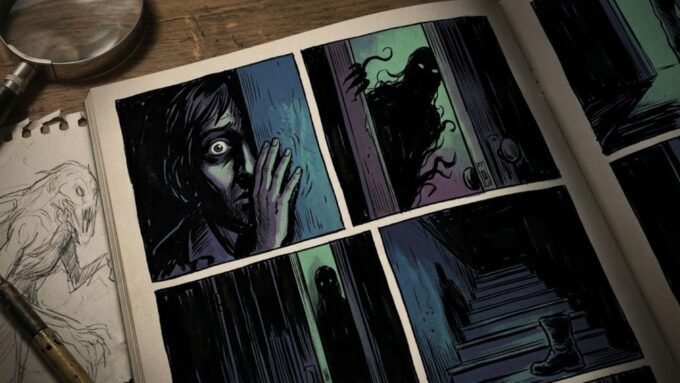
Horror’s current boom is not just about scares—it’s a tool to address societal anxieties and collective trauma, blending vivid imagination with social commentary. There’s a rising taste for:
- Speculative horror with elements of science fiction, tech, or alternate timelines.
- Gothic horror revivals, with atmospheric, psychological undertones.
- Fem-Gore, a revenge-fantasy subgenre centered around female protagonists reclaiming agency and power through visceral narratives.
Romantasy and Cross-Genre Hybrids
Romantasy—where romance exists at the heart of sweeping fantasy worlds—continues to captivate audiences. What’s new in 2026 is the proliferation of hybrid genres: romance infiltrates thrillers, mysteries, and even cozy coming-of-age tales, with publishers eager for any story that can guarantee emotional payoff and escapism.
Key subgenre trajectories include:
- Romantasy with diverse mythological inspirations beyond European tradition.
- Suspense-romance, cozies with romantic subplots, and historical romance fusions.
- Love stories featuring AI-synthetic partnerships or futuristic settings.

AI, Futurism, and Tech-Inspired Science Fiction
Science fiction in 2026 is defined by its authentic integration of artificial intelligence, machine learning, and digital consciousness—reflecting how AI has become standard in everyday life. Increasingly, stories emphasize:
- Nuanced AI characters (not just “evil robots”) wrestling with autonomy, labor, and rights.
- Hybrid AI-human authored works, as writers experiment with co-creation and meta storytelling.
- Near-future dystopias showing surveillance, ethics, and governance shaped by algorithms.
Fantasy, too, trends toward shorter, self-contained worlds or duologies—departing from the decade-long sagas of the past—better matching modern reading habits and attention spans.
Climate Fiction and Eco-Storytelling
“Cli-Fi” or climate fiction is poised to break out of its niche, as environmental crises intensify headlines and galvanize activism. Publishers are eager for stories that translate climate science, resilience, and social adaptation into thrilling narratives. These tales might be dystopian or utopian and frequently integrate:
- Climate refugees and migration stories.
- Environmental mysteries and eco-thrillers with a scientific twist.
- Psychological drama about adaptation, survival, and hope.
True Crime and Documentary Hybrids
True crime’s appeal shows no sign of fading but is evolving with more sophistication. Readers crave investigative journalism blended with narrative nonfiction, memoir, or even craftily disguised fiction. Upcoming books will:
- Examine cold cases using AI, big data, and crowdsourced clues.
- Offer new perspectives focused on victims, survivors, and systemic change rather than glorification of perpetrators.
- Encourage interactive elements, drawing on podcast and documentary models to let readers “participate” in real-time discoveries.
Commercial, Women’s, and Book Club Fiction
Commercial fiction and women’s fiction persist as high-sales genres due to their relatability and broad appeal. 2026 will see:
- Book club fiction that tackles contemporary social issues, generational divides, and complex family relationships.
- Hybrid subgenres within women’s fiction, adding elements of suspense, thriller, or historical drama.
- Upmarket fiction that blends literary style with commercial plot—the “best of both worlds.”
Nonfiction Trends: Real Stories and Practical Guides
Several nonfiction genres are gaining renewed momentum as readers seek fact-based inspiration and actionable advice for turbulent times:
- Memoirs and real-life adventures focusing on personal growth and survival.
- Short-form nonfiction—practical handbooks for finance, health, and tech designed for busy readers.
- AI and technology explainer books, capitalizing on a rapidly evolving knowledge economy.
- Sustainability and green living guides, urgent as climate anxieties fuel consumer choices.
Audio, Immersive, and Interactive Formats
Beyond genres and subgenres, how books are consumed is shifting rapidly:
- Audiobooks and enhanced audio dramas offer layered experiences, especially for genres like horror and thrillers.
- Immersive content and “choose-your-own-adventure” interactive stories continue to rise, merging literature with gaming and AR/VR.
- Luxury, collectible editions cater to devoted fans—especially for fantasy, sci-fi, and graphic novels.

Diverse Voices and Regional Language Stories
2026 will also be remembered as the year publishers truly recognized the global potential of regional language books and diverse perspectives:
- There’s a rising appetite for books in Hindi, Tamil, Bengali, and more regional languages, both within and outside of India.
- Stories featuring non-Western mythologies, legends, and social issues will have stronger systemic support and wider readerships.
Publishing Ecosystem Shifts: Self and Co-Publishing
Self-publishing’s growth shows no signs of slowing. With new distribution models, digital-first launches, and subscription-based publication, more writers can bypass traditional gatekeepers. Hybrid and co-authoring with AI may redefine what “authorship” means in the next era.
In conclusion, 2026’s emerging book genres and subgenres are driven by a thirst for fresh perspectives, cross-cultural experiences, and the hunger for fiction and nonfiction that reflects—and shapes—the world’s challenges and hopes. From AI-centered stories and cli-fi to globally inspired fantasy, intricate true crime, and short-form nonfiction, the publishing world is brimming with possibility for writers, readers, and creators alike.