

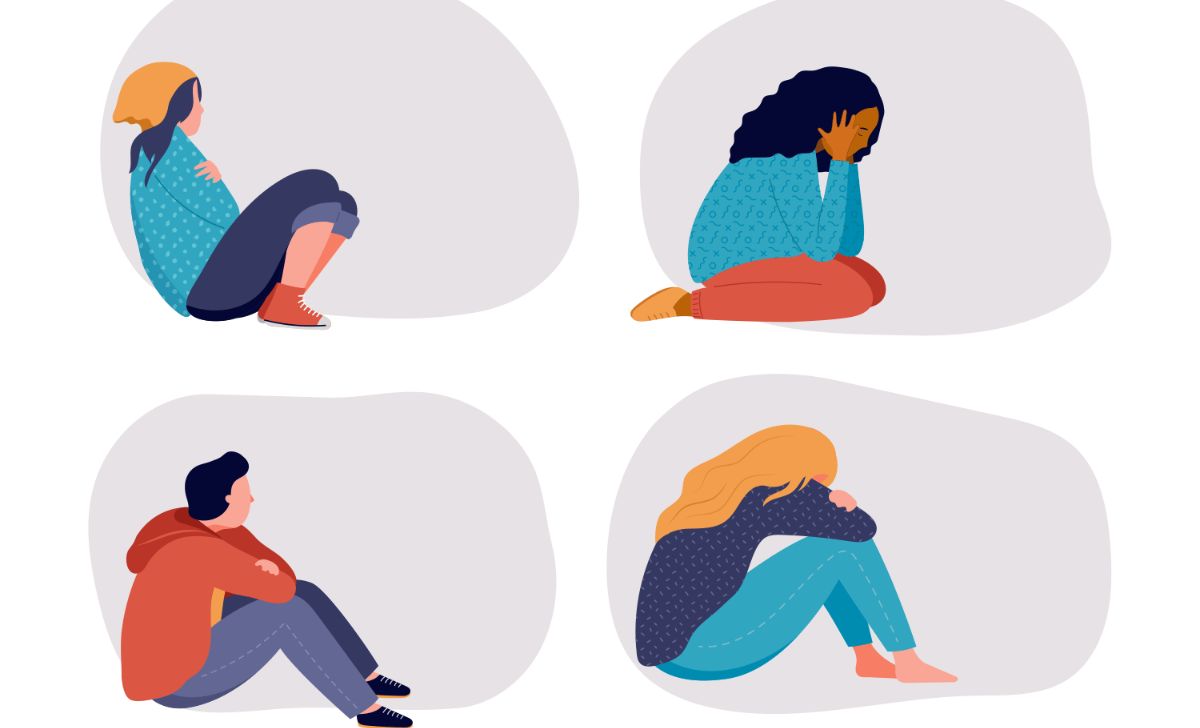
Human beings are wired for connection. Relationships give us emotional stability, a sense of identity, and even help shape how we see the world. While occasional solitude can be peaceful and even therapeutic, prolonged or forced isolation can deeply damage our mental and physical health. The effects of no social interaction on the human brain go far beyond just feeling lonely—they can fundamentally alter how we think, feel, and behave.
The Immediate Impact: Stress and Emotional Instability
When someone is cut off from others, the brain initially reacts with a surge of stress hormones. In small doses, stress can be manageable, but isolation can transform it into chronic stress. This is because social interactions act like “social reality testing,” helping us assess whether our thoughts and perceptions are rational. Without that feedback loop, our inner world becomes unstable.
Deprived of meaningful communication or tasks, people often experience:
- Racing, spiraling thoughts
- Heightened impulses
- Growing feelings of anxiety and depression
- Obsessions, suicidal ideation, or even hallucinations
In short, when the mind can’t anchor itself to other human perspectives, it begins to turn inward in destructive ways.
Changes in Brain Structure and Function
As isolation continues, the brain itself starts to change. Prolonged stress makes the limbic system—the part of the brain that handles fear and stress—hyperactive. At the same time, the prefrontal cortex, responsible for reasoning, decision-making, and moral judgment, can actually shrink.
This shift pulls the mind away from rational thinking and toward raw emotional reactivity. The longer this imbalance persists, the more deeply it becomes ingrained, making people more prone to:
- Sudden anxiety attacks
- Uncontrollable rage
- Poor memory and focus
- Irrational actions or risk-taking
What begins as emotional turbulence can become a lasting neurological scar.

Physical Health Consequences of Isolation
The damage isn’t confined to the mind. Isolation disrupts the body’s natural rhythms, causing people to:
- Lose their sense of time
- Struggle with insomnia or irregular sleep
- Experience headaches, dizziness, or heart palpitations
- Develop hypersensitivity to sounds or touch
- Lose weight due to stress-related digestive issues or poor appetite
These physical symptoms can further erode mental health, creating a vicious cycle of decline.
Solitary Confinement: Isolation at Its Most Extreme
Few situations illustrate these effects more starkly than solitary confinement in prisons. People in solitary often spend 22 to 24 hours a day alone in a small, windowless cell, sometimes for weeks, months, or even years.
This practice was originally introduced in the late 1700s by Quakers in the U.S., who believed it would encourage reflection and penitence—hence the term “penitentiary.” But it quickly drew criticism from public figures, even the Supreme Court, and author Charles Dickens famously condemned it as “worse than any torture of the body.”
Despite its early backlash, solitary confinement surged again in the 1980s during the “tough-on-crime” era. Many are placed in solitary for minor infractions like talking back to guards. And for those who already struggle with mental health disorders, isolation only worsens their condition.
Long-Term Damage and Struggles After Release
The psychological wounds of solitary confinement often outlast imprisonment. People who endure it are three times more likely to show symptoms of post-traumatic stress disorder (PTSD). They frequently report:
- Personality changes
- Persistent anxiety and paranoia
- Difficulty concentrating
- Struggles reconnecting with others
Even when released, they can find ordinary situations overwhelming, making reintegration into society extremely difficult.
Global Alternatives and Lessons
While the U.S. still uses solitary confinement extensively—over 120,000 prisoners lived under such conditions in 2019—some other countries are moving in a more humane direction. Norway, for example, focuses on rehabilitation rather than punishment.
Norwegian prisons house fewer people per capita, spend five times more per prisoner on education and work-release programs, and have one of the world’s lowest rates of reoffending. Their success shows that supportive environments help people recover and grow, while isolation only deepens damage.

Coping With Isolation
For those who find themselves involuntarily isolated, there are limited but helpful coping strategies: establishing structured daily routines, engaging in physical exercise, reading, and writing. These can provide mental stimulation and preserve a sense of time and identity. However, even the best self-care can only do so much in the absence of real human contact.
Final Thoughts
The effects of no social interaction on the human brain are profound, affecting everything from stress levels to brain structure and physical health. Prolonged isolation can erode our sense of self, damage our cognitive abilities, and create lasting emotional trauma. Humans are social by nature—we thrive in community, not confinement.
Recognizing the devastating impact of isolation, especially in extreme forms like solitary confinement, is the first step toward building systems and societies that prioritize connection, empathy, and rehabilitation over punishment.