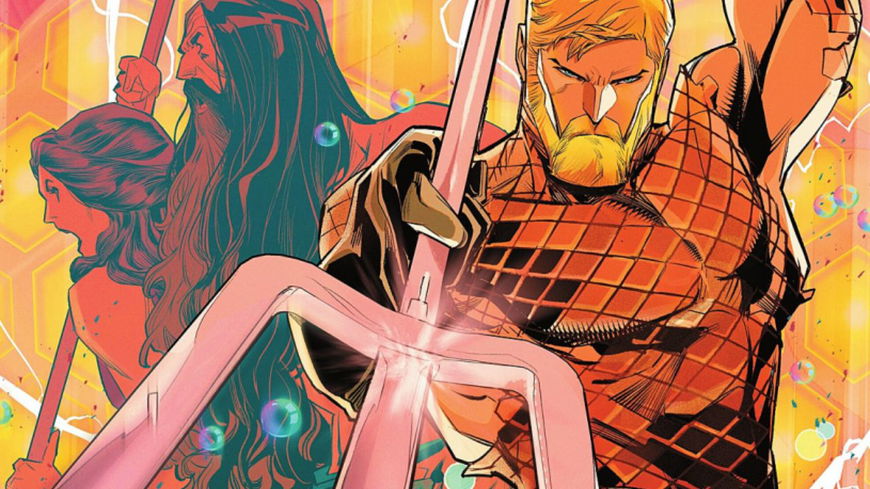

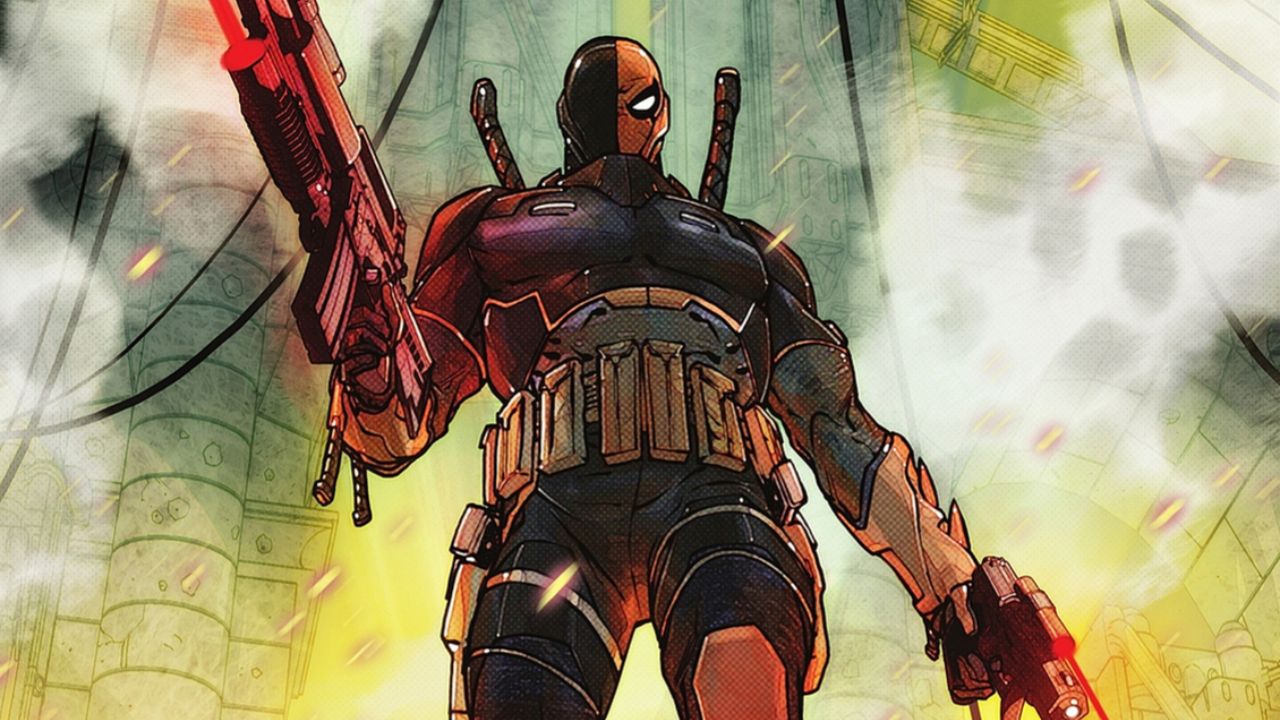
The world of Slade Wilson has always been one of calculated brutality and isolated professionalism. However, the debut of Deathstroke – The Terminator #1 (2026), written by Tony Fleecs with stunning art by Carmine Di Giandomenico, strips away the mercenary’s armor to reveal a man haunted by time, legacy, and a sudden, catastrophic loss. This first issue doesn’t just launch a new mission; it deconstructs the character’s very foundations, leading to a shocking climax that promises to change the Terminator forever.
A House Divided
The story begins not with a gunshot, but with a quiet, domestic tension that feels far more dangerous. The cover sets the tone, featuring a sleek, high-tech aesthetic that hints at the “Next Level” branding of the series. But inside, we find ourselves in a dimly lit kitchen where William Wintergreen, Slade’s long-time confidant and handler, is having a somber conversation with a woman who appears to be Rose Wilson, Slade’s daughter.
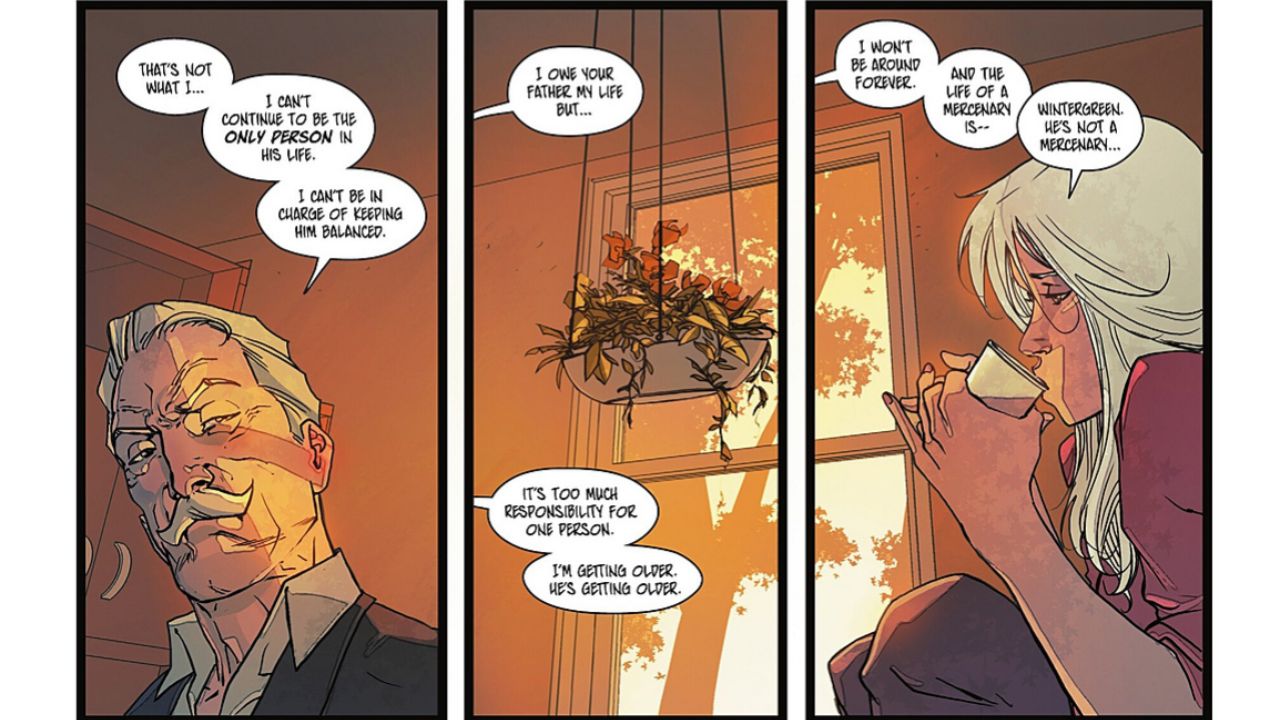
Wintergreen is tired. The years spent balancing the scales of Slade Wilson’s morality and logistics have clearly taken their toll. He admits that he cannot continue to be the only person in Slade’s life. He expresses a deep fear: “He’s never going to change”. Wintergreen is aging, and he realizes that the responsibility of keeping the world’s most dangerous man balanced is too much for one person to carry indefinitely.
The dialogue between Wintergreen and Rose is thick with resentment and duty. Rose is unwilling to step into a role she views as being Slade’s “manservant”. She can barely stand to be in the same room with her father, and she certainly has no interest in helping him manage his internal chaos. Wintergreen counters by reminding her that the life of a mercenary is demanding, but he is cut short when the true nature of Slade Wilson is verbalized: he isn’t just a mercenary; he is a killer.
Part 1: The Killer
The title page, titled “Part 1: The Killer,” transitions us from the soft light of the kitchen to the cold reality of the field. We see Slade Wilson in his full Deathstroke regalia, positioned on a bridge at dusk. He is setting up his equipment with a clinical precision that defines his career.
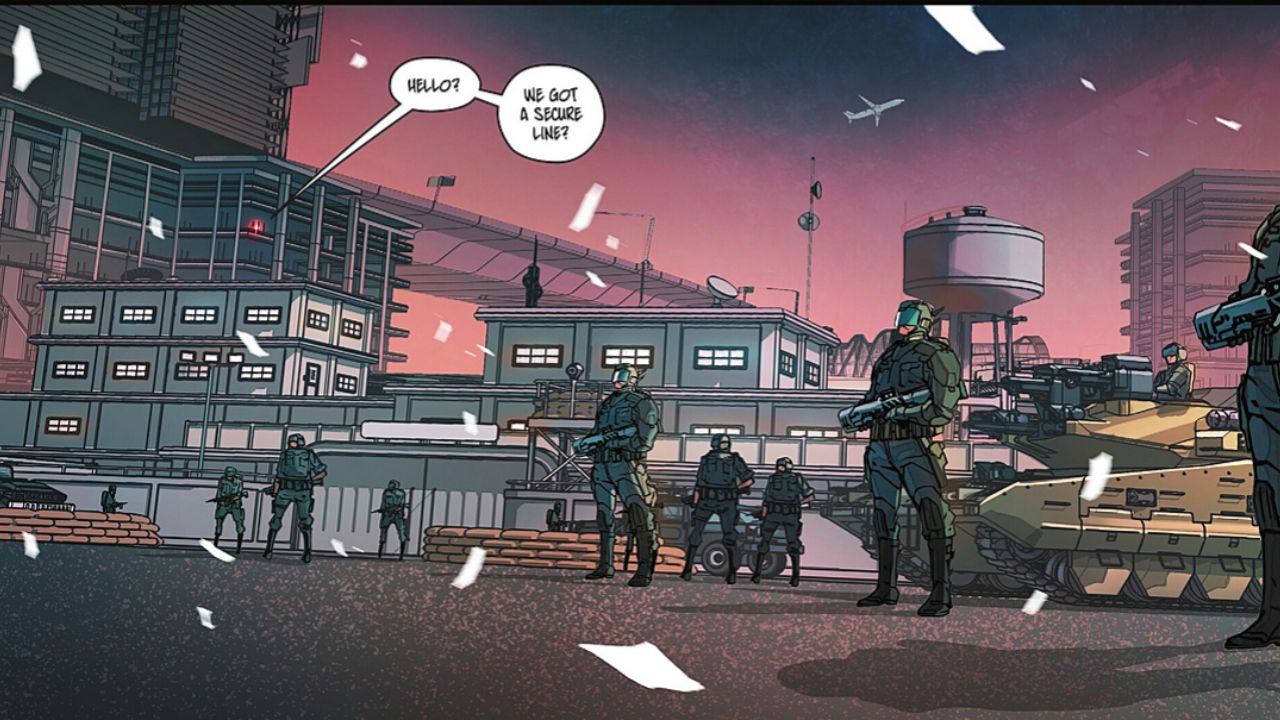
Through a secure radio line, Wintergreen provides the briefing for the night’s work, though the conversation remains colored by their earlier domestic dispute. Wintergreen mentions that he saw Rose that morning, but Slade is dismissive, impatient with the “blind drops” and the personal distractions. He demands the details of the job and wants to know who the client is.
The contract is unusual. It is a “blind drop,” meaning even Wintergreen doesn’t know the identity of the client. This lack of transparency usually warrants an extra fee, but tonight, the lack of information is the least of their worries. Wintergreen tries one last time to reach Slade’s humanity, warning him that if he doesn’t make things right with Rose, he could lose her forever. Slade’s response is icy, asking if Wintergreen really wants to lecture him about “losing a child” right now—a dark reference to the tragic history of the Wilson family.
The target is a 46-year-old Caucasian whistleblower, a father of three and a witness in a Cale Industries deposition. Slade identifies a grim irony in the target’s profile: “Hey, just like me,” he muses.
The Strategy of Noise
Observing the facility from a distance, Slade notes the heavy security. Armored trucks patrol the perimeter, manned by well-trained ex-Special Forces. The target is in protective custody, and getting to him won’t be easy. Wintergreen notes that guards are stationed at every entrance and throughout the facility.
There is a final instruction from the mystery client: the job must be done “quietly”. This indicates a private sector job rather than a government contract, but Slade has other ideas. He is tired of the low-profile, “cheapo” jobs. He feels the world needs a reminder of who the Terminator is. Against the client’s wishes and Wintergreen’s advice, Slade decides to go “loud”.
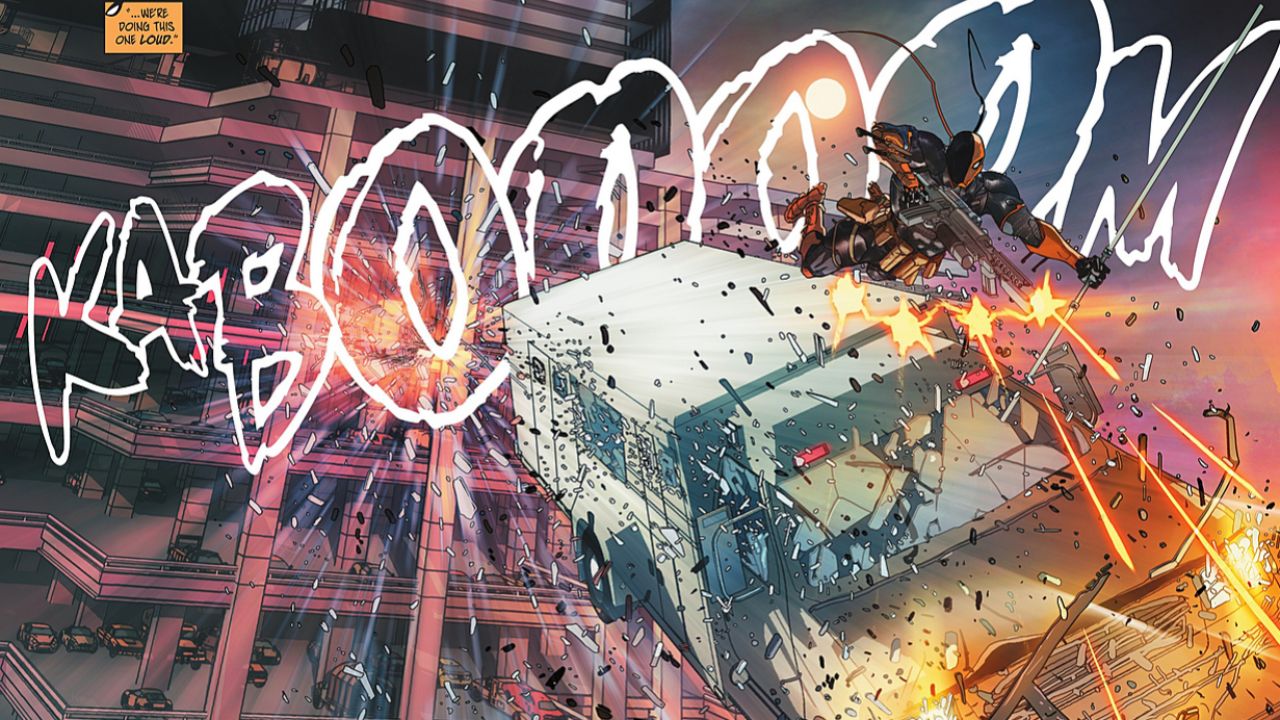
The breach is explosive. As Slade crashes through the perimeter, Wintergreen sighs over the radio, knowing the client won’t be happy. But Slade is in his element. As he tears through the initial wave of security, he reflects on his daughter. Wintergreen’s words about changing have stuck in his mind, but for Slade, “loud” is the only language that feels honest.
The Nature of the Weapon
The action sequences on pages 11 through 14 are a showcase for Di Giandomenico’s dynamic art style. Slade moves with a speed and lethality that borders on the supernatural. As he fights, he engages in a cynical philosophical debate with Wintergreen about the egos of their clients. He finds it hard to fathom the arrogance required for someone to tell the world’s greatest assassin how to assassinate. Wintergreen dryly points out that the money is what buys them the right to have that ego.
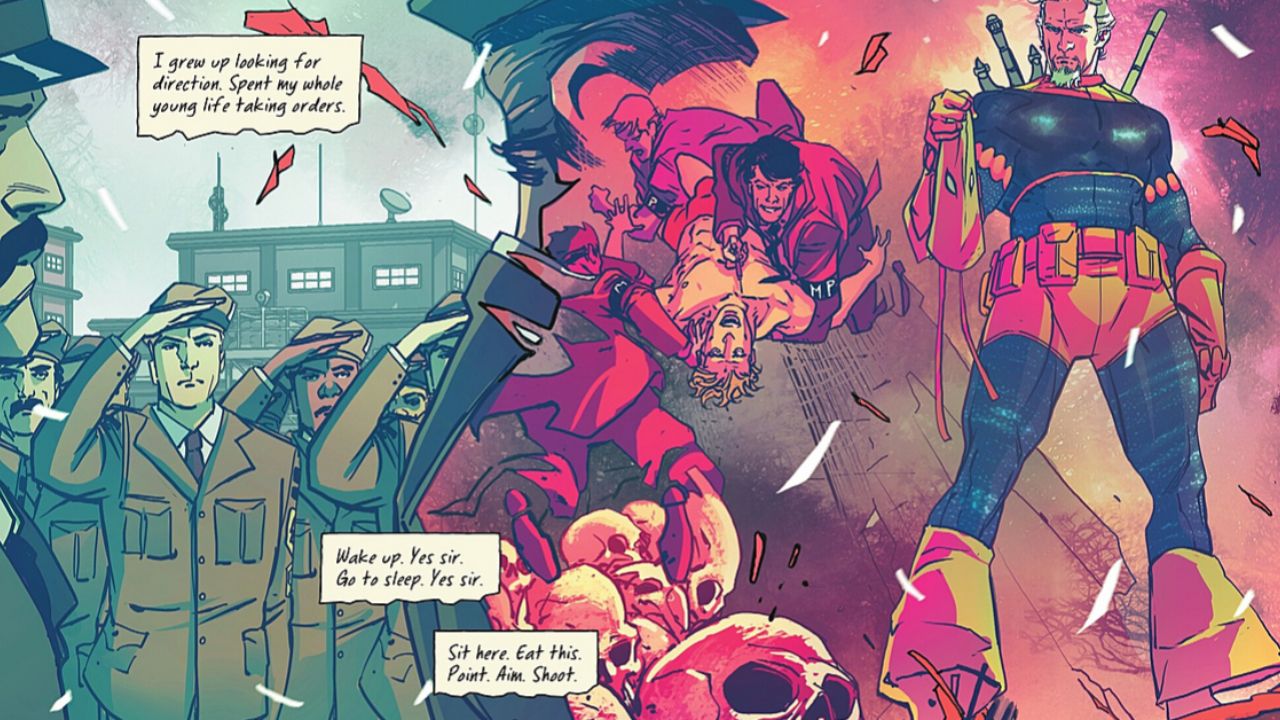
Slade’s internal monologue begins to delve into his past. He reflects on his upbringing—a life spent taking orders. “Wake up. Yes sir. Go to sleep. Yes sir”. He notes that he was a trained weapon long before the army ever gave him the experimental super-soldier treatment. He views himself as fundamentally unadaptable. Evolution, he believes, is not in his nature. His superhuman strength and healing factor haven’t made him more open to new ideas; they have simply made him more set in his ways—stubborn and impenetrable.
He hijacks a motorcycle, effortlessly bypassing security gates and leaving a trail of destruction in his wake. The guards are caught completely off guard by the sheer audacity of the frontal assault. One guard even tries to take a break just moments before the chaos reaches him, highlighting the false sense of security Slade is about to shatter.
The Compound and the Trap
Slade reaches the safe house where the target is supposedly being held. Wintergreen admits that intel on the interior of the compound was harder to come by, forcing Slade to rely on a schematic in his heads-up display. As he navigates the halls, his thoughts drift back to Adeline Kane, his first love. He credits her with being exceptionally skilled at finding his weaknesses, a trauma that has made it nearly impossible for him to maintain close personal relationships ever since.
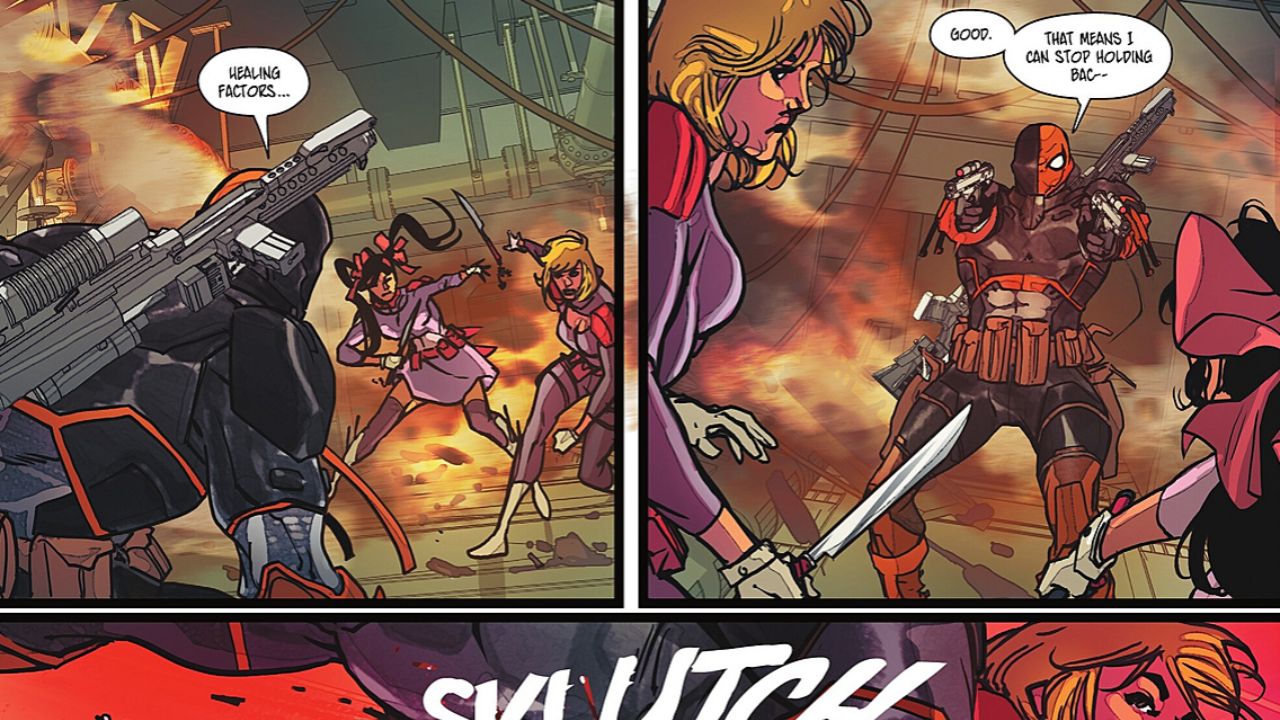
Suddenly, the mission takes a turn for the metahuman. Slade is confronted by a pair of “Body Doubles”—Carmen Leno and Bonny Hoffman. These are not ordinary security guards; they possess healing factors that allow them to endure incredible amounts of damage, though they lack Slade’s super-strength.
The fight with the Body Doubles is brutal. Slade, realizing he doesn’t have to hold back against opponents who can heal, unleashes his full combat prowess. He mocks their confidence, warning the “silver fox” not to break a hip as he systematically dismantles them. Despite the interruption, he remains focused on the target, pushing deeper into the facility.
The Heartbreak of Sector 14
As Slade approaches the final door in Sector 14, his monologue reaches a peak of existential dread. He compares his life to purgatory—a state where highs aren’t high and lows don’t feel different. He worries that he can no longer feel anything at all, wondering if he has ever truly experienced joy.
He reaches the target’s room, expecting to find the whistleblower. Instead, he finds a scene of absolute devastation. Wintergreen is there—not over the radio, but physically present and mortally wounded. The shock is immediate. Slade, the man who claimed to feel nothing, is suddenly desperate. “Bill… you can’t… you can’t die, you jackass,” he pleads.
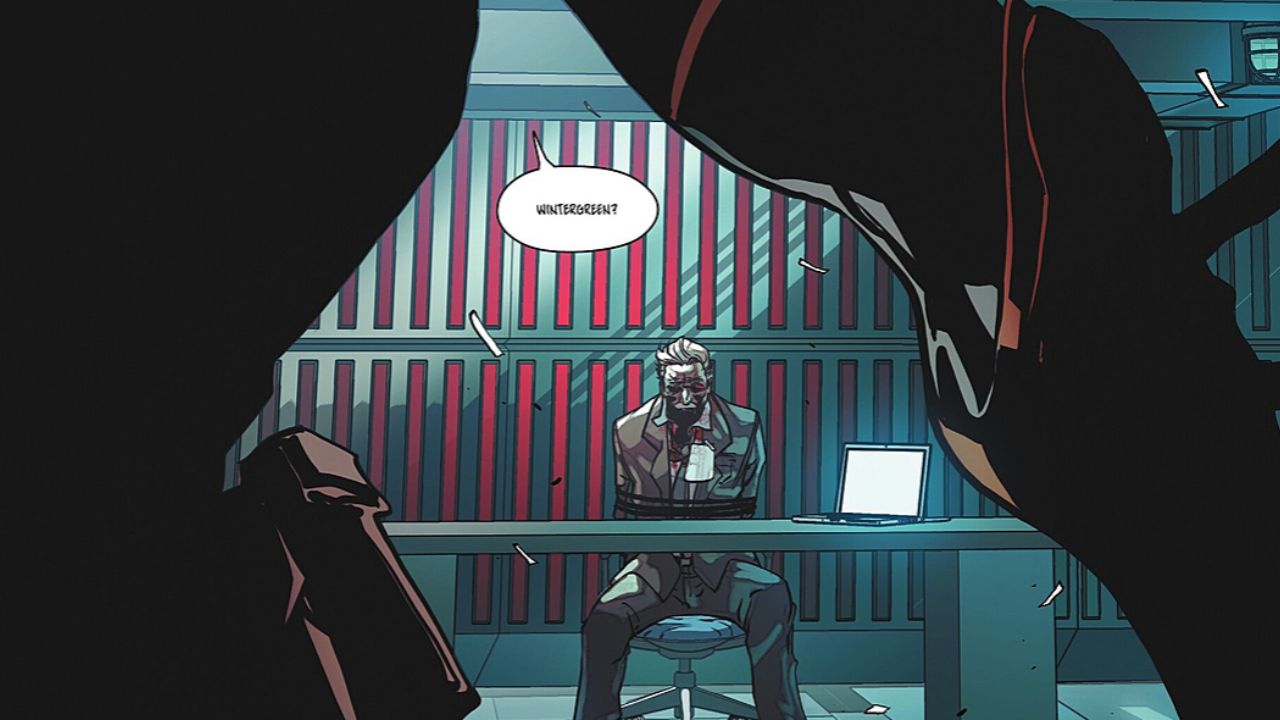
It becomes clear that the entire mission was an elaborate setup. The “blind drop,” the target, the Body Doubles—it was all designed to lead Slade to this moment. Someone has struck at the heart of Slade’s operation by targeting his only true friend.
Total Wipeout
While Slade is reeling from Wintergreen’s condition, a series of notifications flash across his display. It is the sound of his entire life being liquidated. One by one, his accounts are being drained. The International Bank of Bialya, the First Bank of Gotham—every account associated with Deathstroke Inc. is wiped to a balance of $0.00.
The mystery client or the perpetrator behind the attack has had total access to Slade’s finances. Slade realizes with horror that the person who killed Wintergreen is the same person who has now taken everything he owns. He is left standing in the center of the compound, penniless and grieving, with no idea who is responsible.
The situation escalates as the local authorities arrive. They surround Slade, demanding he put his hands in the air and step away from the body. Slade, ever the pragmatist even in the face of tragedy, makes a cold-blooded decision. He uses Wintergreen’s body as a “meat shield” to absorb the incoming gunfire as he makes his escape. It is a moment of profound darkness, underscored by his thought that he would have expected Wintergreen to do the same for him.
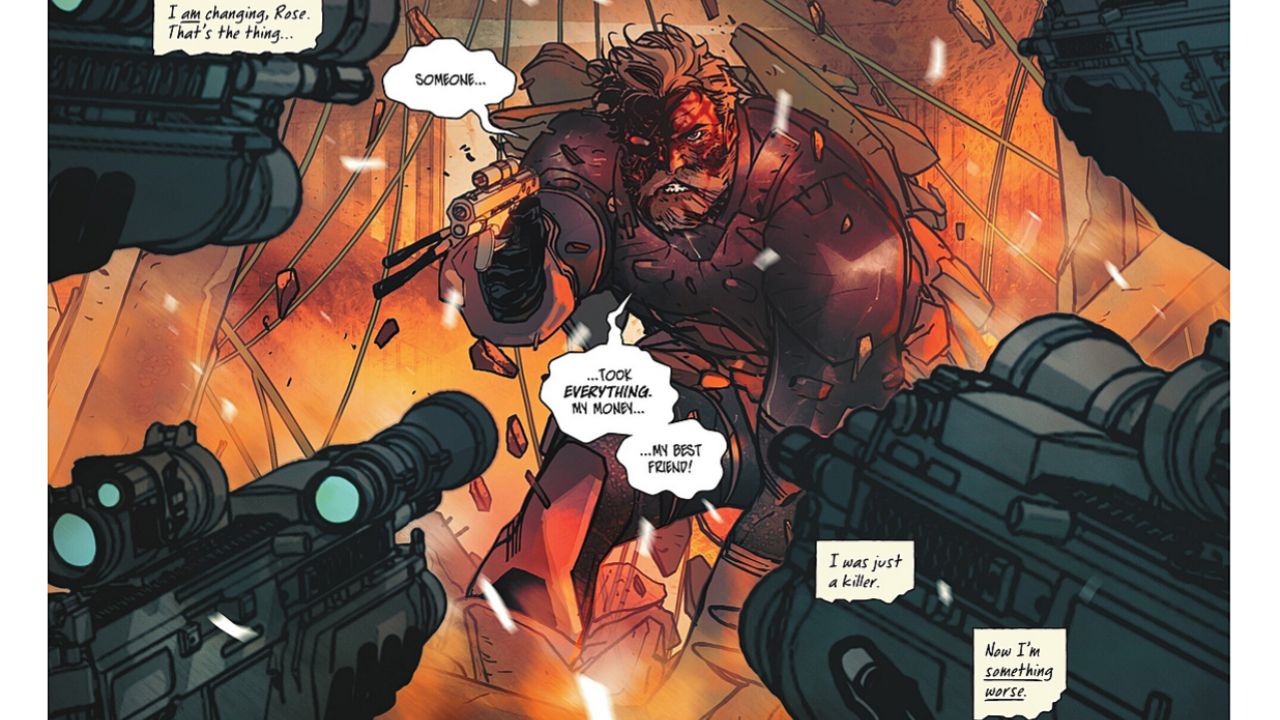
The issue ends on a haunting, explosive note. As Slade attempts to fight his way out, he hears a voice or a sound—a repetitive “TICK TICK TICK” that counts down to zero. A massive explosion rocks the facility. In the aftermath, as the smoke clears, Slade Wilson stands transformed. He was once just a killer, but now, stripped of his friend, his fortune, and his legacy, he has become something far worse.