
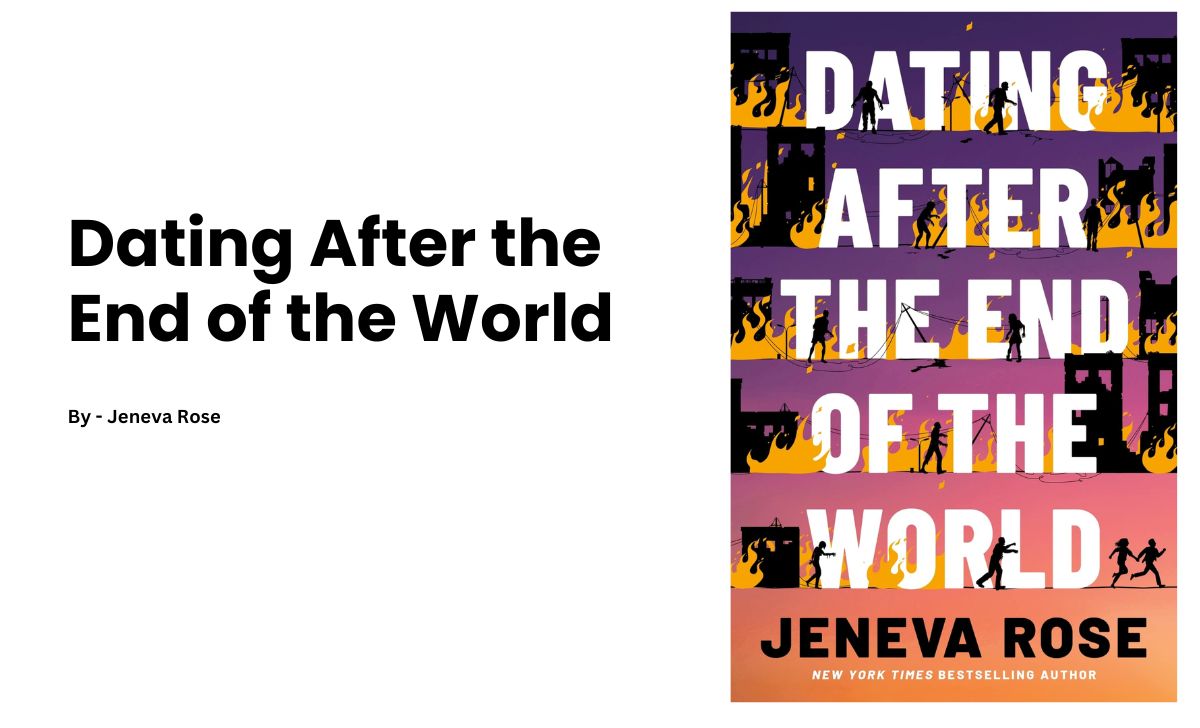
There’s a particular thrill in books that refuse to sit neatly inside a single box. Jeneva Rose’s Dating After the End of the World is one of those books: part romance, part post-apocalyptic thriller, and streaked with black humor. It feels like being handed three novels at once — an enemies-to-lovers romance, a survival story, and a speculative mystery — and Rose leans into that collision. The result is an often-fun, sometimes bumpy ride that rewards readers willing to embrace tonal shifts and sudden jolts of genre.
Plot Summary
The story begins years after a mysterious viral outbreak that changed the fabric of society. Humanity is fractured, communities are wary, and survival is an everyday act. The protagonist, Casey, returns to her hometown after years of keeping her distance from others. Her father, a well-known prepper obsessed with doomsday scenarios, shaped her childhood with strict rules and constant paranoia.
Now, as the world struggles to rebuild in fragments, Casey is forced to confront both her past and her present. When she crosses paths with her former enemy — a man she once couldn’t stand — circumstances push them together in unexpected ways. From reluctant partners in survival to unexpected companions, their dynamic evolves through witty exchanges, tense moments, and genuine emotional connection.
Amid this growing relationship, Casey must also deal with secrets, moral choices, and dangers lurking beyond her walls. The story blends action-packed scenes of threat and escape with quieter reflections on love, grief, and what it means to keep hoping when everything around you seems broken.

Characters and Relationships
Rose’s greatest strength lies in her characters. Casey is complex — tough, sarcastic, and emotionally guarded, but never invincible. Her trauma is not exaggerated for effect; it feels lived-in and believable. She’s the kind of heroine who knows how to fix a generator but struggles to say “I love you.”
The love interest, who initially seems like a foil to Casey’s independence, grows into a fully realized counterpart. Their banter starts sharp and defensive, but as survival forces them into closer quarters, layers of vulnerability start peeling away. The romance follows a classic enemies-to-lovers rhythm, but Rose handles it with patience and warmth. Their chemistry feels natural, not forced, and readers who enjoy character-driven tension will find plenty to savor here.
Supporting characters — from quirky neighbors to morally ambiguous survivors — add color to the narrative and help build a believable world where no one is entirely good or bad. Everyone carries a past, and every choice has a consequence.
Tone and Genre Blend
What makes this novel stand out is its daring blend of genres. It swings between heart-pounding suspense and heartfelt intimacy, peppered with moments of dark comedy that catch you off guard.
The humor works as a kind of relief valve — laughter amid chaos — but the shifts can be abrupt. One moment, you’re laughing at a snarky internal monologue; the next, you’re reading about genuine danger or loss. For some readers, that constant tonal balancing act is part of the charm. For others, it might feel like emotional whiplash.
Still, it’s hard not to appreciate the ambition. Rose refuses to play it safe. The book manages to explore love in the shadow of catastrophe without turning overly grim or overly sentimental. That balancing act keeps it unpredictable and fresh.
Pacing and Structure
The pacing mirrors the book’s theme of survival — bursts of chaos followed by moments of stillness. Action sequences come fast and frantic, while romantic and emotional scenes stretch out, giving readers time to breathe.
However, some readers might find the ending a touch rushed. After such careful buildup, the final chapters sprint through emotional resolutions and plot twists that could have used more space. Yet, even with that flaw, Rose’s storytelling keeps you engaged from start to finish. Every chapter ends with a hook — whether emotional or suspenseful — making it difficult to put the book down.
Highlights and Strengths
There’s a lot that works in Dating After the End of the World. The biggest win is the emotional authenticity of its characters. Casey’s voice feels raw and real, her humor a shield she uses to survive both physically and emotionally. The romance, though sometimes messy, carries genuine heart.
Rose also nails the small, human moments — the comfort of shared food, the awkwardness of first trust, and the bittersweet realization that connection still matters even when the world has fallen apart. The book’s dialogue sparkles with sarcasm, flirtation, and occasional tenderness, making the chemistry between characters feel earned.
The speculative backdrop doesn’t overpower the emotional story. Instead, it enhances it, showing how love and vulnerability can still bloom in barren ground.
Weak Spots
Despite its charm, the novel isn’t perfect. The tonal shifts between comedy, romance, and post-apocalyptic dread can sometimes jar the reader. A few plot turns rely on convenient coincidences, and secondary subplots — especially involving side characters — don’t always get the resolution they deserve.
The climax, though exciting, feels like it wraps up a little too neatly compared to the messy emotions leading up to it. Still, these minor issues don’t overshadow the book’s emotional payoff or its creativity in fusing multiple genres.
Who Should Read This
If you enjoy romances that take bold risks, this one’s for you. Fans of unconventional love stories — where tenderness grows in the ruins, and humor helps you cope — will likely adore it. It’s ideal for readers who loved post-apocalyptic fiction but crave something warmer and more human.
Those who follow Jeneva Rose’s earlier thrillers will also find this novel an interesting shift in tone, showing her range beyond the suspense genre. It’s a book that asks, Can you still date, love, and dream after everything ends? Rose’s answer is a hopeful yes — even if the path there is chaotic.
Final Verdict
Dating After the End of the World is an ambitious mix of love story and survival saga. It’s funny, thrilling, and emotionally engaging in turns. Some moments wobble, but the book’s heart never does. Jeneva Rose proves she can make readers laugh, gasp, and feel deeply within the same chapter.
In a genre crowded with predictable romances and grim dystopias, this one stands out for its humanity and humor. It’s not flawless, but it’s memorable — and sometimes, that’s what matters most.
For readers looking for a love story that doesn’t shy away from disaster, heartbreak, and awkward human moments, Dating After the End of the World delivers a truly one-of-a-kind reading experience.