

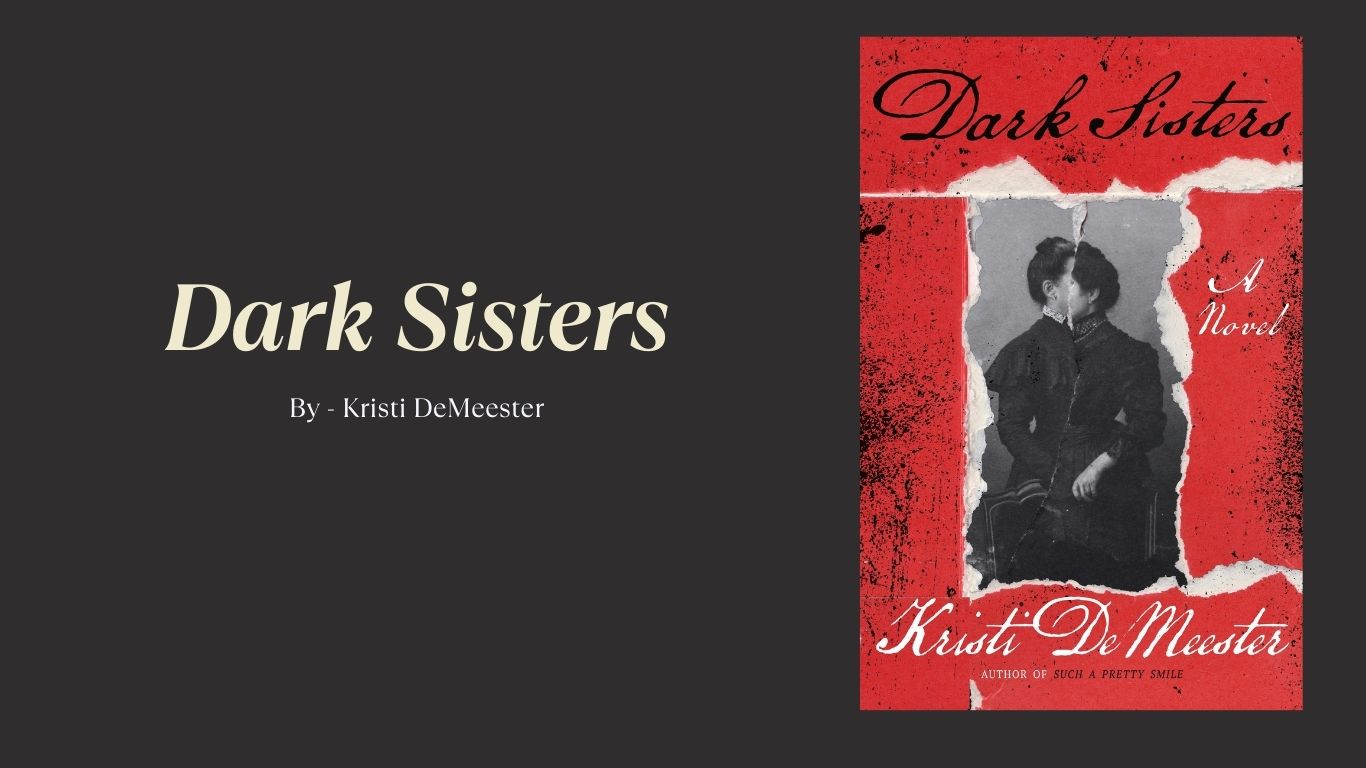
Kristi DeMeester’s Dark Sisters stitches together three different eras of a single town and the women bound to it, and it uses witchcraft, church power, and intimate betrayals to show how violence and control are passed from one generation to the next. What reads at first like a collection of linked tales gradually reveals itself as a single, fierce argument — about the cost of silence, the shape of anger, and how folklore can be both balm and weapon.
How the Book Is Structured (Plot overview)
Dark Sisters is built in three main threads that eventually knot together. In the 1750s, Anne — a widow and healer — flees accusations of witchcraft and finds a tree that hums with something older than the town’s law. In the 1950s, Mary is locked into a small-town domestic life until an affair with Sharon awakens long-buried desires and dangerous consequences. Finally, in the early 2000s, Camilla — the daughter of the town’s pastor — grows up in a community run by a powerful, punitive church and discovers she shares an uncanny bond with the Dark Sisters’ legend. The novel moves between those timeframes, slowly layering cause and effect until the present-day stakes become heartbreakingly clear.
Voice, Mood, and Atmosphere
One of the book’s biggest strengths is the atmosphere. DeMeester is precise in the way she writes a room shut tight, a trail through winter woods, the varnished calm of church hospitality that hides something corrosive beneath. The prose is often lyrical — not showy, but attentive to small sensory details that accumulate into dread. If you enjoy fiction that builds tension by lingering on a smell, a bite of cold air, or the exact pattern of light, there’s a steady, almost hypnotic quality to these pages.
Themes: Feminine Anger, Power, and Collective Memory
At its heart, Dark Sisters is a meditation on what happens when women’s anger is policed and buried. The book repeatedly shows how institutions – family, church, the gossip economy of small towns — punish women for stepping outside prescribed roles. DeMeester doesn’t only depict outward violence; she pays close attention to quieter harms: being gaslit, having one’s story rewritten, being taught to carry grief as obligation. The supernatural elements act as both metaphor and real force, turning inherited trauma and resistance into something tangible and communal.
Characters: Who Carries the Story
The women at the center of the novel are written with empathy and necessary roughness. Anne’s survival instincts, Mary’s slow shift from resignation to defiance, and Camilla’s confusion and awakening form the emotional spine of the book. DeMeester allows her characters to be flawed and contradictory, which can be uncomfortable but also deeply human. This is not a story interested in perfect victims or simple villains — it trusts readers to sit with moral ambiguity.
Pacing and Structure — Strengths and Drawbacks
The interwoven timeline allows scenes and symbols to echo across centuries. When those connections finally surface, the effect is striking: a small moment in one era may suddenly carry heavy meaning after a later chapter. That said, the pacing is intentionally uneven. Some sections linger, almost meditatively, while others move with sharp urgency. Readers who value atmosphere over momentum will likely appreciate this choice; others may find parts of the novel slow.
What the Supernatural Means Here
This is not a novel driven by jump scares or spectacle. The supernatural exists as a language for what the town refuses to acknowledge. Folklore becomes a way for women to remember harm when official narratives erase it. The tree, the legend of the Dark Sisters, and the rituals that surface throughout the book feel ancient yet unsettlingly current. Horror here is less about fear for fear’s sake and more about reclaiming power through memory.
Tone and Reader Experience
Dark Sisters is an intentionally unsettling read. Moments of tenderness sit alongside cruelty, making both feel sharper. There are scenes that linger long after reading, not because they shock, but because they recognize familiar injustices. Readers who turn to horror for emotional release may find this novel quietly cathartic. Those looking for light escapism may find it heavy, even exhausting — but that weight is part of its purpose.
Final Verdict: Who Should Read This
This book will resonate most with readers drawn to multigenerational gothic stories, feminist horror, and novels where mood and meaning take precedence over tidy resolution. It rewards patience and emotional engagement rather than speed. Dark Sisters does not rush to comfort the reader, but it offers something more lasting: recognition, anger shaped into story, and a reminder that what is buried rarely stays silent forever.author/show/7213461.Kristi_DeMeester”>