
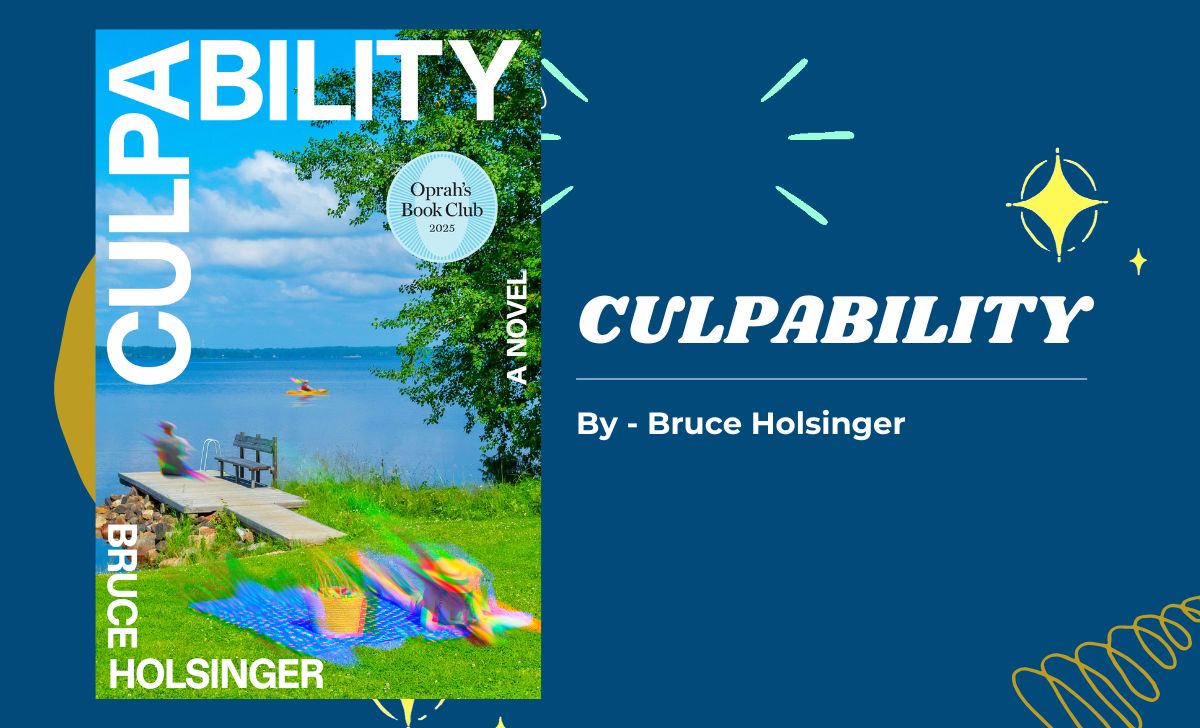
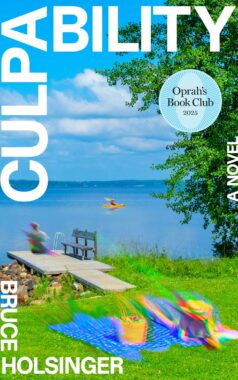
Bruce Holsinger’s Culpability reads like a family drama and a techno-ethical puzzle folded together. On the surface it is an intimate portrait of a family reeling after a horrific crash; beneath that surface it asks who — or what — we hold responsible when the tools we build act in ways we cannot fully control. Holsinger keeps the human heart at the center, even while the novel wanders into thorny questions about autonomous vehicles, chatbots, and the porous border between human choice and machine decision-making.
What the book is about (plot summary)
At the center of the story are the Cassidy-Shaws: Noah and Lorelei and their children, including seventeen-year-old Charlie, a lacrosse player. During a drive to a tournament the family’s self-driving minivan is involved in a catastrophic collision that kills the occupants of the other car while the Cassidy-Shaws emerge with only minor injuries. The wreck upends their lives; investigations begin, public speculation churns, and long-buried tensions inside the family surface as they try to understand what happened and why. The novel follows the family as they retreat to a Chesapeake Bay beach house to recover, only to find that the wreck’s moral reverberations — in legal corridors, at the dinner table, and online — keep coming.
Tone and pacing — how Holsinger tells the story
Holsinger’s prose is often lean and economical, balancing close domestic observation with scenes that widen into public life: investigators, lawyers, and media narratives that feed the family’s private grief. The book’s momentum comes from the slow peeling back of layers — small family revelations, social media speculation, technical reports — rather than from non-stop action. That structure makes the moments of shock and moral reckoning land harder; the novel doesn’t simply use the crash as a plot gadget but treats it as a hinge that lets us examine character, privilege, and the infrastructure behind everyday choices. Critics have praised the narrative’s accessibility and pacing while noting its timely subject matter.
Themes: responsibility, technology, and ordinary life
What Culpability does especially well is refuse easy answers. Is the van to blame, the software, the company that made it, the teenager in the driver’s seat, or the social conditions that shape risk and decision? Holsinger pulls on threads of legal culpability, parental responsibility, and the cultural readiness (or lack thereof) for machines that make life-and-death choices. The book frames these debates in domestic terms: arguments over what Charlie should have done, how Noah and Lorelei handled parenting, and how grief reshapes each character’s moral compass. Several reviewers emphasize the novel’s timeliness — a piece of fiction that channels contemporary anxieties about artificial intelligence into a story everyone can follow.
Characters and human stakes
At its core, Holsinger’s novel is a portrait of a family under stress. Noah is the husband trying to hold things together; Lorelei navigates shock, anger, and public scrutiny; Charlie is both adolescent and symbolic: a point of moral friction because he was “at the wheel” when the crash occurred. The author resists turning characters into mere mouthpieces for an argument about technology — they remain flawed, contradictory, and convincing. Side characters — an investigator, tech-company reps, and neighbors — expand the moral field without flattening the family’s emotional reality. Several reviewers singled out Holsinger’s skill at rendering family dynamics and grief with clarity and feeling.
What works — strengths of the novel
Holsinger’s strengths here are twofold. First, he keeps the novel grounded in lived detail: domestic scenes, small gestures, and the very particular rhythms of a family in recovery. Those details anchor the book’s speculative elements so that readers never feel lectured to. Second, he stages the ethical issues as problems that complicate human relationships rather than abstract puzzles. The collision is a moral Rorschach test that forces characters (and readers) to take stock of shame, pride, and the limits of explanation. Many reviewers — from trade journals to national papers — have noted that the book is both accessible and provocative, a rare combination for fiction addressing technology.
What doesn’t quite land — limitations to keep in mind
No book can do everything, and Culpability sometimes leans on familiar beats: courtroom dramatics, social media outrage cycles, and investigative tropes that will feel recognizable to genre readers. If you’re looking for a strictly procedural unraveling of exactly what the machine did at the millisecond of impact, the novel offers more ethical rumination than forensic blow-by-blow. Some readers and critics observe that plot elements occasionally serve the theme more obviously than they serve character, which can make parts of the narrative feel engineered to prompt discussion. Those are not fatal flaws — they’re notes about the book’s ambitions and tradeoffs.
Why you might want to read it now
If you’re interested in fiction that puts family life at the center of urgent contemporary questions, Culpability is a strong pick. It’s the sort of novel that invites conversation: about how we assign blame, how technology reframes risk, and what it means to protect (or fail to protect) the people we love. The novel’s selection by a prominent book club and the breadth of critical attention it has received underscore that it’s resonating with readers beyond typical literary-thriller audiences.
Final take
Culpability offers a humane, timely, and readable probe into how blame and responsibility are negotiated in an age when “who’s driving” can be a complicated question. Holsinger’s steady focus on domestic consequences — grief, parenting, and the messy calculus of human choice — keeps the novel emotionally present even as it asks big questions about algorithms and accountability. It’s thoughtful rather than didactic, unsettling rather than sensational, and it will leave you thinking about where moral responsibility really lives: in our hands, our laws, or the code we allow to steer our lives.