

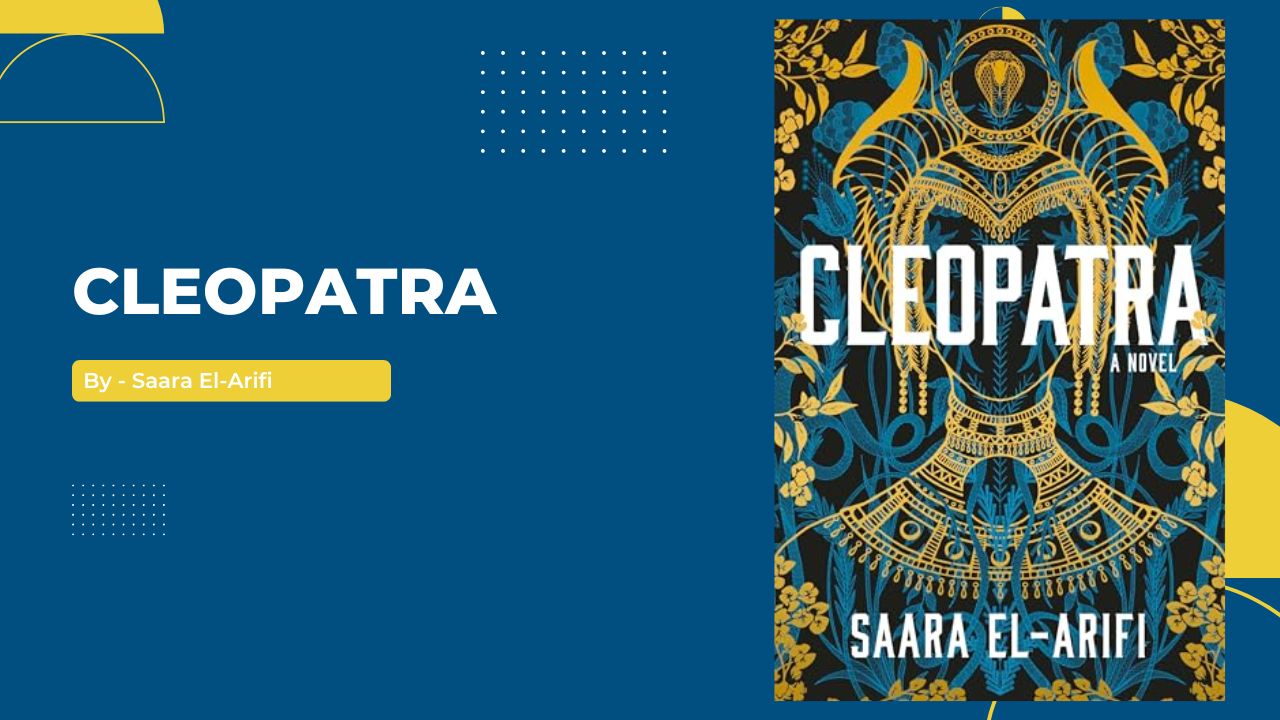
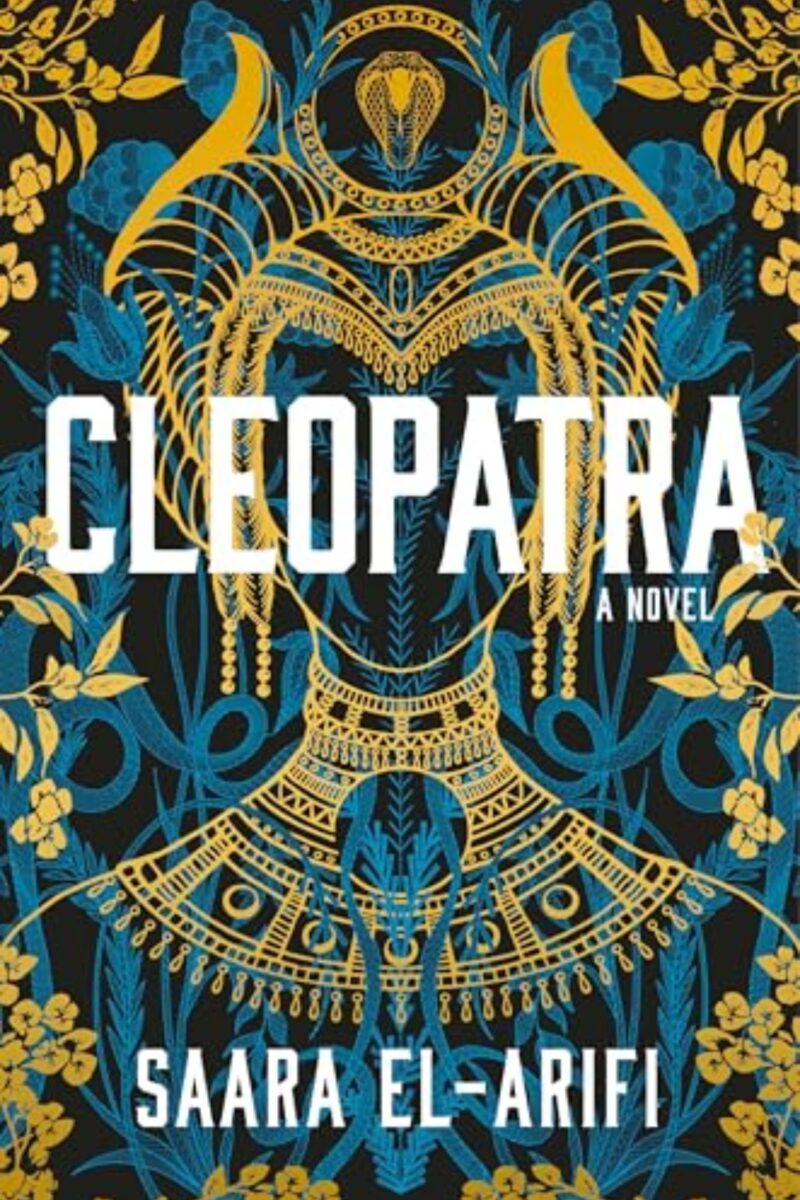
Saara El-Arifi’s Cleopatra takes a well-worn legend and wrestles it into vivid life with humanity and soul. Instead of retelling the familiar tale of romance and downfall, El-Arifi invites readers inside Cleopatra’s mind — not as a seductress carved by history, but as a strategic, fierce, and deeply feeling woman ruling a kingdom on her own terms.
Opening Lines: Grounding Cleopatra in Her Own Words
From the very first pages, the novel positions Cleopatra not as history’s object but as its narrator. Told in first person, her voice is layered with reflection, defiance, vulnerability, and wisdom. The narrative thrust of the book isn’t simply “what happened,” but what it felt like from the inside. This storytelling choice pays off in spades — Cleopatra’s inner world becomes as compelling as the sweeping political scenes around her.
Characterization: More Than Myth, More Than Monarch
El-Arifi’s Cleopatra emerges as a beautifully complex figure. She is honest about her ambitions and temperaments, yet unafraid of vulnerability. Rather than reduce her to the tired trope of a femme fatale, the novel portrays her as:
- A dedicated Pharaoh whose decisions are shaped by duty and fierce loyalty to Egypt.
- A loving mother whose relationships with her children fuel much of her resolve.
- A woman wrestling with her own myth, crafted by voices that came after her.
What lingers most is how real she feels — flawed, brilliant, passionate, and occasionally impulsive. She is not distant marble; she is flesh and blood.
Setting and Atmosphere: Alexandria Reimagined
El-Arifi’s prose doesn’t just narrate Cleopatra’s life; it paints it. Ancient Alexandria, packed with political tension and lavish ritual, feels palpable. Markets bustle, temples gleam, and the pulse of Egyptian royalty echoes through the descriptions. The world-building is immersive without becoming overwhelming, allowing readers to feel present rather than lectured.
Plot and Pacing: Love, Politics, and Power
The novel moves gracefully from the young Cleopatra ascending the throne after her father’s death to the trials that marked her reign. El-Arifi doesn’t shy away from the betrayals, personal losses, and impossible choices that shaped her legacy.
The interplay between Cleopatra and figures like Julius Caesar and Mark Antony is handled with nuance. Their relationships feel layered — intimate, strategic, complicated. Love and politics are inseparable here, and the tension between personal desire and national duty gives the novel its emotional charge.
If there is a minor weakness, it lies in the pacing of the latter chapters, which move swiftly through events that some readers may wish had more breathing room. Still, the emotional core remains intact.
Themes: Identity, History, and Myth
Where Cleopatra feels especially powerful is in its interrogation of storytelling itself. El-Arifi doesn’t just recount events — she probes how stories are shaped, who gets to tell them, and whose voices get lost in the retelling.
Through Cleopatra’s reflections, the book asks:
- What does it mean to be defined by history?
- How much of a woman survives once legend takes over?
- Can power and tenderness coexist in the same ruler?
These questions elevate the novel beyond historical retelling. It becomes a meditation on legacy and narrative ownership.
Final Thoughts: A Queen Reclaimed
Cleopatra by Saara El-Arifi succeeds because it refuses to flatten its subject. Instead of myth, it offers humanity. Instead of spectacle, it gives us voice.
This is a novel that feels intimate despite its epic scale. By the final page, Cleopatra no longer feels like a distant historical icon — she feels startlingly alive. And perhaps that is the greatest achievement of all: transforming legend back into woman.
If you enjoy historical fiction that centers emotion as much as politics, this one deserves a place on your shelf.