
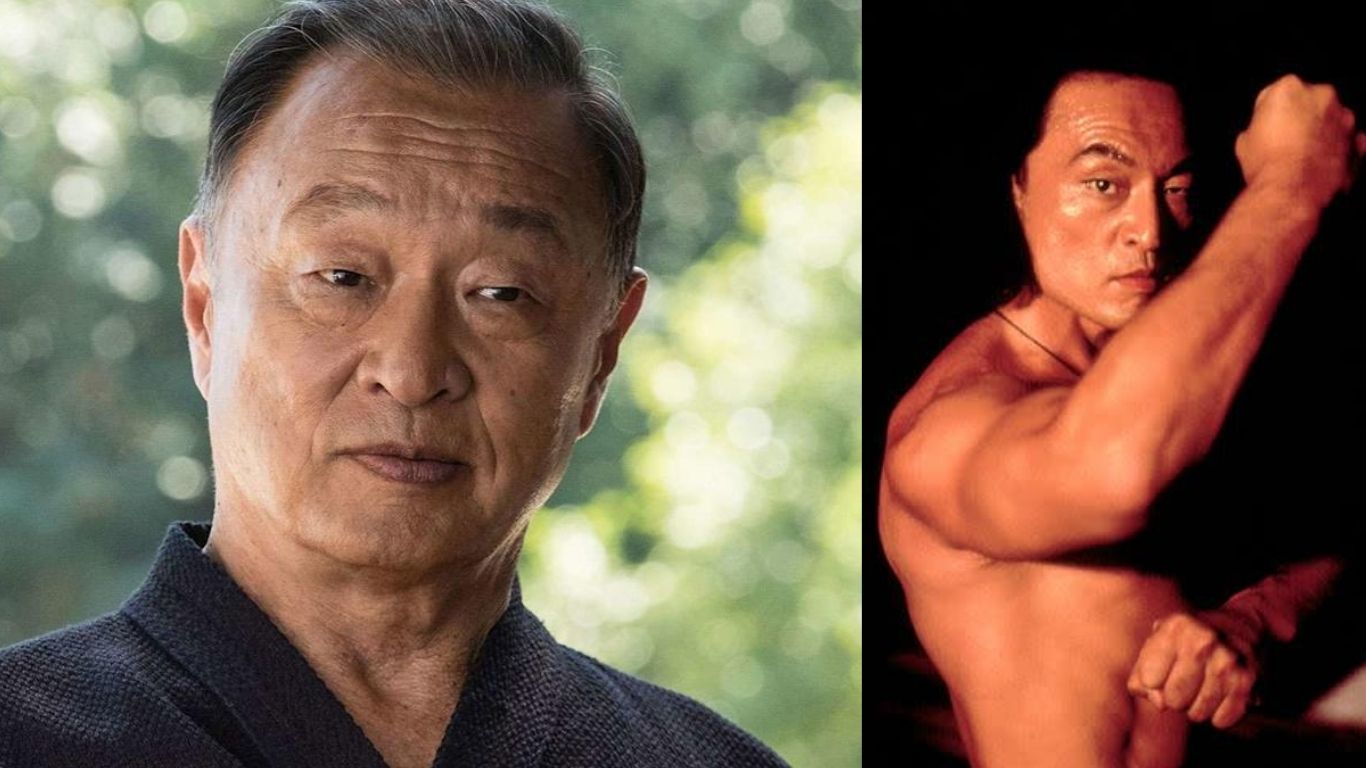
Cary-Hiroyuki Tagawa, the Tokyo-born actor who brought depth and charisma to some of Hollywood’s most memorable characters, has passed away at the age of 75. The actor died in Santa Barbara surrounded by his family and children, following complications from a stroke, as confirmed by his manager, Margie Weiner. “Cary was a rare soul — generous, thoughtful, and endlessly committed to his craft,” Weiner said. “His loss is immeasurable.”
A Career of Global Recognition
Tagawa’s acting journey began in the late 1980s, with his breakthrough performance as Chang, the emperor’s driver, in Bernardo Bertolucci’s Oscar-winning film The Last Emperor (1987). That role set the stage for a prolific career spanning more than 150 film, television, and video game credits.
He achieved international fame as Shang Tsung, the power-hungry sorcerer in the Mortal Kombat film franchise. Tagawa first portrayed the iconic villain in the 1995 film adaptation, returning for Mortal Kombat: Annihilation (1997), various TV projects, and later reprised his role in the video game series — including Mortal Kombat 11 (2019) and Mortal Kombat: Onslaught (2023). The first film was a commercial hit, earning over $100 million worldwide. Reflecting on that era, Tagawa praised director Paul W.S. Anderson for blending martial arts with an electrifying metal soundtrack that “matched the action so well.”
beyond-the-storm-an-ember-in-the-ashes-book-4-by-sabaa-tahir/”>Beyond Mortal Kombat, Tagawa appeared in several major Hollywood productions, including License to Kill, Rising Sun, Pearl Harbor, Planet of the Apes, Memoirs of a Geisha, and 47 Ronin. He often gravitated toward roles that reflected cultural intersections between East and West, portraying both warriors and philosophers with equal conviction.
Roots and Early Life
Born in Tokyo, Tagawa was raised largely in the American South after his father — a Hawaiian-born U.S. Army officer — was stationed on the mainland. His parents met during his father’s service in Japan, naming him after Cary Grant and his brother after Gregory Peck.
Though his mother, Ayako, was a stage actress in Japan, she initially discouraged him from pursuing acting, fearing the limited opportunities available to Asian performers. Before entering Hollywood at age 36, Tagawa worked an array of jobs — from celery farming and limo driving to trucking and photojournalism.
Even as his career advanced, Tagawa remained candid about the challenges Asian actors faced in the industry. In a 2005 interview, he remarked, “The good news for Asian actors and Hollywood is that it’s better than it’s ever been, but the bad news is that it hasn’t changed that much.”
The Martial Artist and Teacher
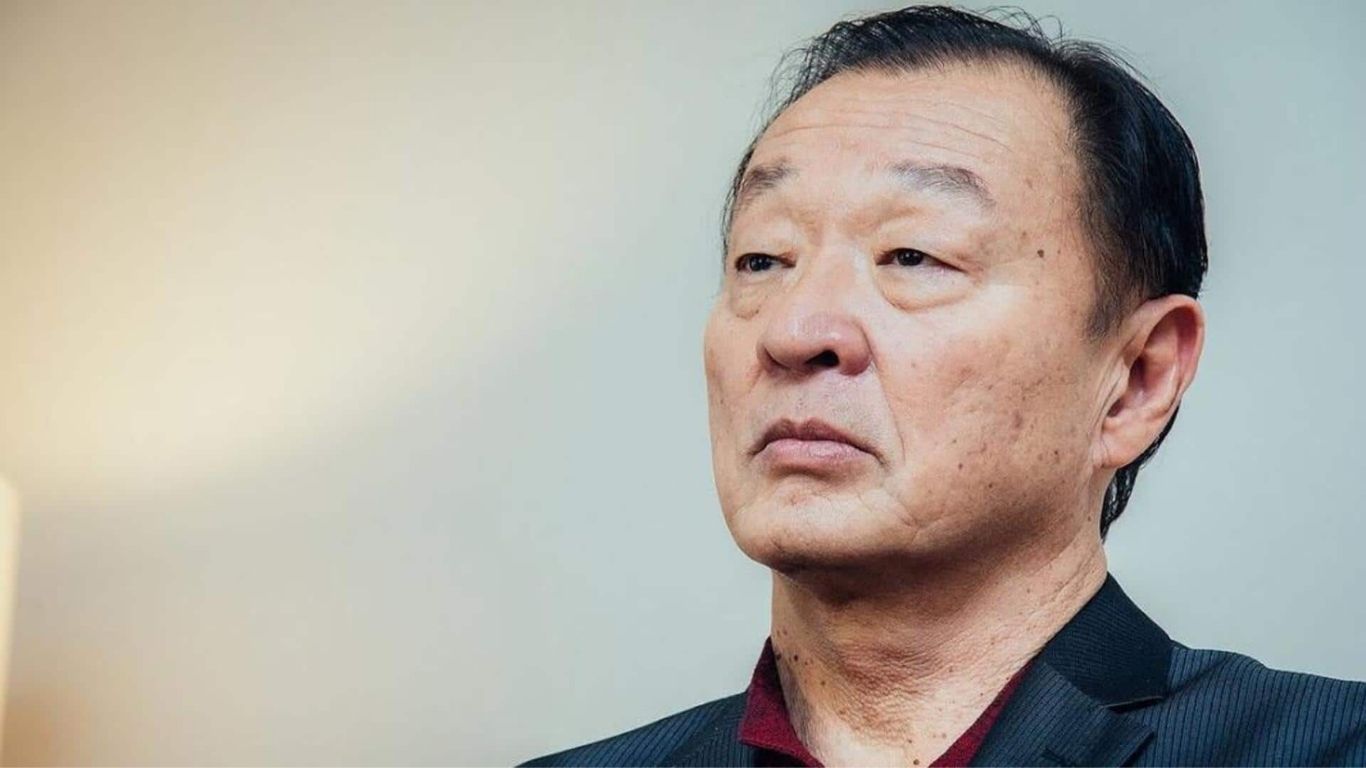
Tagawa’s physicality and presence on screen were rooted in his lifelong study of martial arts. He began training in Kendo as a child before deepening his discipline at the University of Southern California, where he studied Japanese karate. Returning to Japan, he trained under Master Nakayama of the Japan Karate Association.
Though known for his skill, Tagawa distanced himself from martial arts used solely for combat. He developed his own practice systems — first Chun-Shin, which focused on energy movement without fighting, and later Ninjah Sportz, a healing and performance-based fusion of martial arts principles. Through this system, he worked with professional athletes, including world boxing champion Brian Viloria, and advised the University of Hawaii’s football team.
Later Work and Reflections
Tagawa continued to challenge himself well into the 2000s with complex television roles. His portrayal of Trade Minister Nobusuke Tagomi in Amazon’s The Man in the High Castle (2015–2019) was one of his most acclaimed later performances. Drawing parallels between his personal experiences and his character, Tagawa once said he understood Tagomi’s internal conflict about identity and peace. “To be good, bad, and ugly — being different — that’s something I lived too,” he shared.
His television credits extended to Nash Bridges, Hawaii, Revenge, Lost in Space, and most recently, voicing The Swordmaker in Netflix’s animated series Blue Eye Samurai.
Personal Life and Legacy
Tagawa lived in Kauai, Hawaii, with his wife Sally, where they raised their two children. He is survived by his three children — Calen, Brynne, and Cana — and two grandchildren, River and Thea Clayton.
Though his life included moments of controversy, including a 2008 misdemeanor harassment charge for which he accepted full responsibility, Tagawa remained widely respected for his artistry, introspection, and cultural advocacy.
From The Last Emperor to Mortal Kombat and The Man in the High Castle, Cary-Hiroyuki Tagawa’s body of work bridged worlds and generations — embodying strength, discipline, and compassion both on and off the screen.