

With a reported production budget of approximately $250 million, Avatar: Fire and Ash stands as one of the most expensive films ever made—even if it cost notably less than its predecessor, Avatar: The Way of Water. That total represents roughly 45 % less than Way of Water’s staggering ~$400–460 million budget.
But while we know the headline figure, what remains hidden are the internal, line‑item expenditures by department: how much was spent on visual effects vs. live‑action shooting, cast salaries vs. post‑production, props vs. digital infrastructure. These details are not publicly disclosed—Hollywood studios typically keep such breakdowns confidential.
Nevertheless, drawing from previous reports, interviews, and Avatar 2’s more reported numbers, here’s a reasoned sketch of how the budget may have been allocated—alongside speculation grounded in industry norms and Cameron’s documented production strategies.
Budget Overview: Public Estimates
- Overall production budget (estimated): ~$250 million.
- Compared to predecessor: ~45 % lower than Way of Water’s ~$400 million budget.
Why the reduction?
- Back‑to‑back filming: Avatar 2 and 3 were shot together, enabling reuse of sets, motion‑capture infrastructure, and visual assets. This dramatically reduced incremental cost for Fire and Ash.
- Tax rebates: Filming in New Zealand qualified for production tax incentives—estimated at up to 25 % of costs, reducing the net spend significantly.
- Tech advantage: By the time Fire and Ash began production, the VFX systems and underwater motion‑capture workflows were already fully refined—no need to build expensive new pipelines from scratch again.
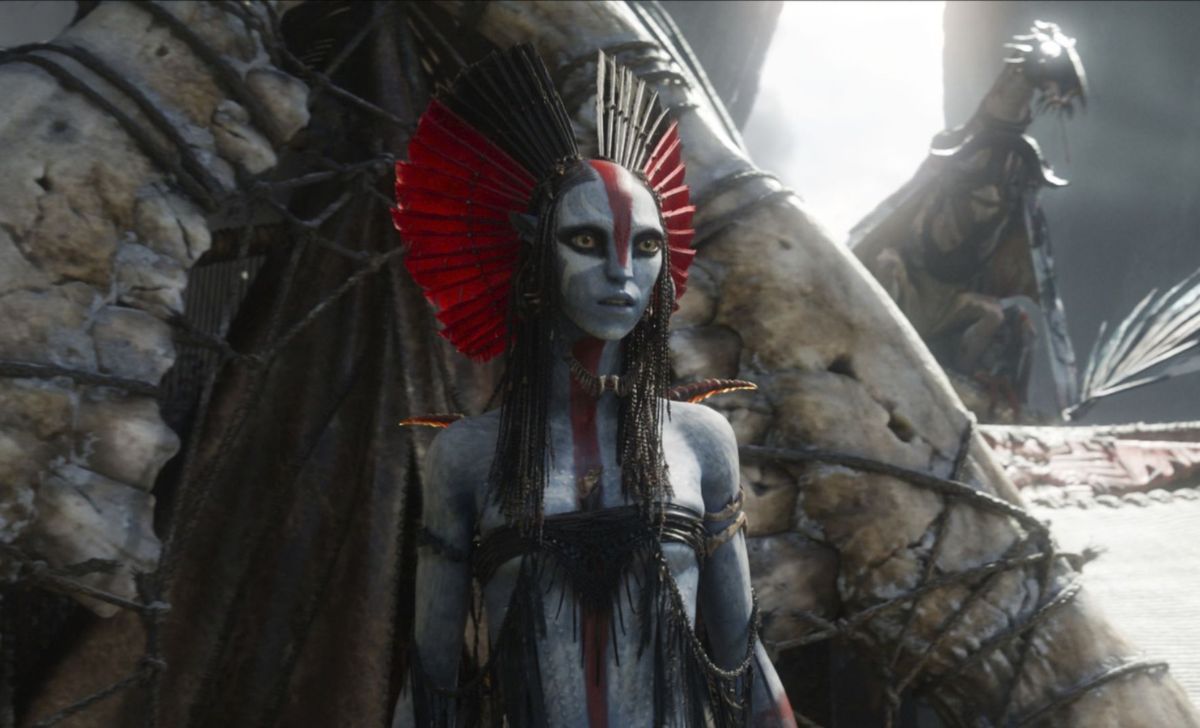
Estimated Department-Level Breakdown (Hypothetical)
(These are approximate estimates based on industry patterns and what we know from Way of Water; NOT officially confirmed.)
| Department / Category | Estimated % of $250M | Estimated Cost (million USD) | Notes |
|---|---|---|---|
| Visual Effects & CGI | ~35 % | ~$87.5 | Building on previously developed VFX assets and environments |
| Cast & Crew Salaries | ~20 % | ~$50 | Including major stars, motion capture performers, directors |
| Live‑Action Filming (on location & sets) | ~15 % | ~$37.5 | Location costs, sets, logistics in NZ |
| Pre-production (design, planning, storyboarding) | ~5 % | ~$12.5 | Concept art, scripts, production design |
| Post-production (editing, sound, grading) | ~10 % | ~$25 | Editing by Cameron and team, ADR, sound mixing |
| Photography & Cameras | ~5 % | ~$12.5 | Camera systems, underwater rigs |
| Art & Costume Departments | ~5 % | ~$12.5 | Creature design, costumes, props |
| Other (insurance, overhead, contingency) | ~5 % | ~$12.5 | Insurance, administrative, tax credits |
Total: ≈ 100 % ≈ $250 million
⚠️ Note: These figures are speculative frameworks—actual allocation likely varied, and public sources do not confirm department-level numbers.
Comparison to Avatar: The Way of Water
While Fire and Ash cost ~$250M, The Way of Water had estimates ranging from $400 M to $460 M for production alone; some sources report overall costs (including overhead, interest, marketing) approaching $1 billion.
According to one breakdown (Collider quoting sources):
- $400M production
- $400M marketing/advertising
- $100M video distribution costs
- $40M residuals
- $72M interest and overhead
- $300M cast & crew salaries
Which would total well over $1B—but these figures are tied to Way of Water, not Fire and Ash.
Reddit Insight
Fans on Reddit have also pooled budget info:
“Avatar (2009) 237 m, The Way Of Water (2022) 460 m, and Fire and Ash (2025) expecting to be 250 m.”
And: “Probably because most of the tech and innovation used for Fire and Ash is already developed in WoW… now they can just focus on making the movie rather than develop the tech.”
These comments echo precisely the official reporting: Fire and Ash is cheaper because the infrastructure and CGI tools were already in place.
Why Departmental Breakdown Isn’t Public
Studios and producers rarely disclose granular cost line items:
- Competitive secrecy: revealing exact VFX or actor costs could weaken negotiating position on future projects.
- Accounting complexity: studio accounting bundles multiple costs together.
- Post‑production flexibility: budgets shift over time; early estimates evolve during shooting and editing.
So until Disney or Lightstorm publishes an official breakdown, any departmental numbers remain educated guesses.