
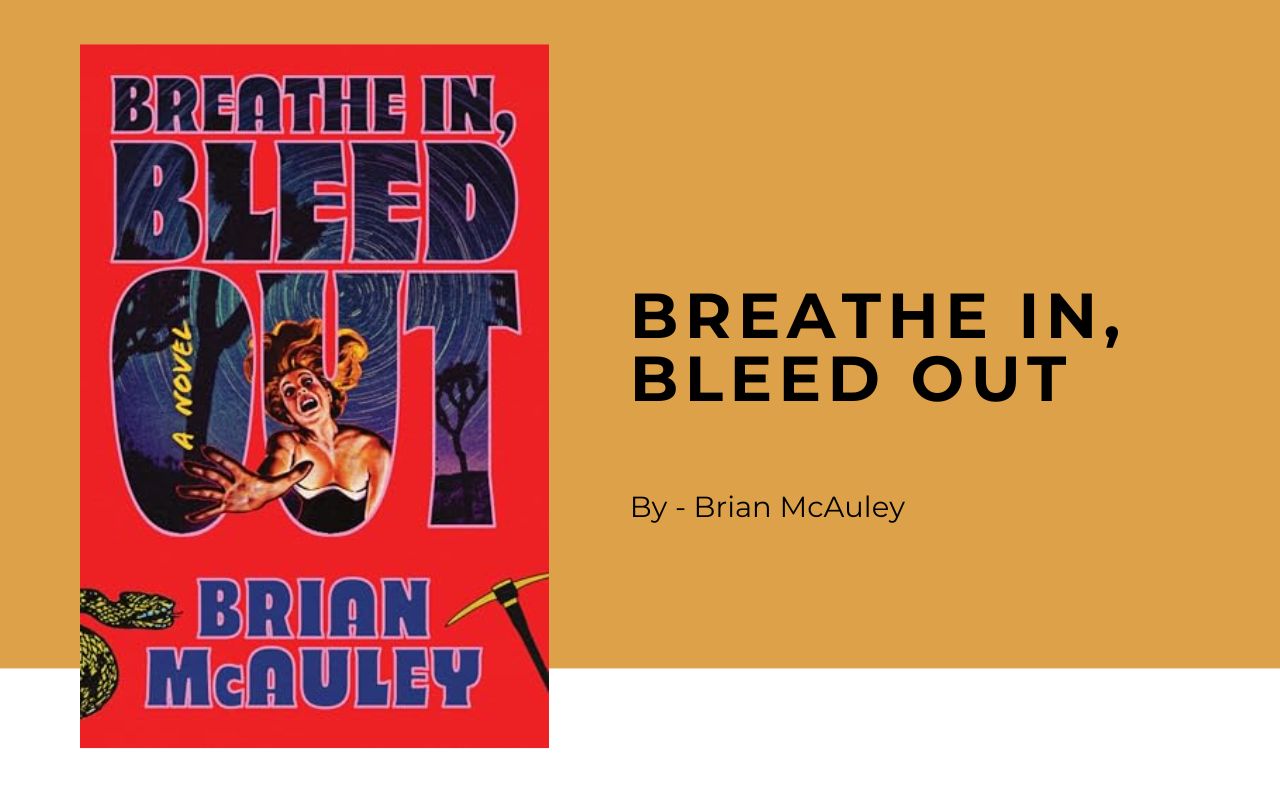
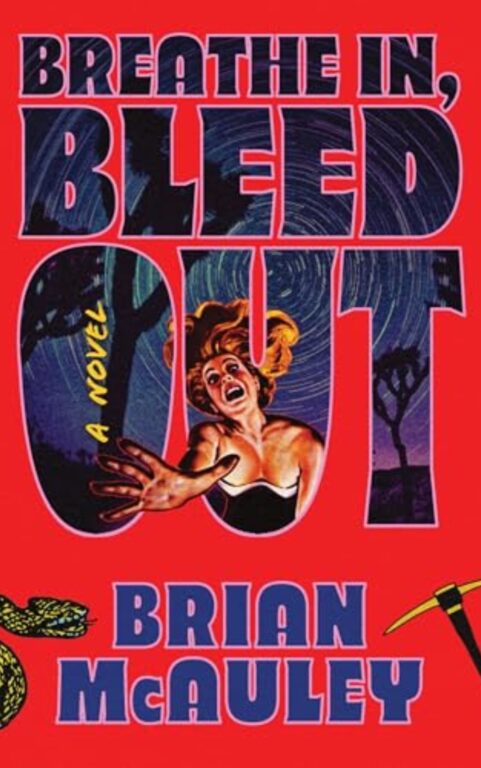
Before getting into the full review, here’s a clear understanding of what this book offers. Breathe In, Bleed Out by Brian McAuley is a modern horror–slasher novel set in an isolated “healing” retreat where grief, trauma, manipulation, and violence collide. The novel follows a group of friends seeking emotional recovery, only to find themselves trapped in a place where rituals are unsettling, trust erodes quickly, and survival becomes uncertain. The book mixes emotional storytelling with classic slasher-style shocks, creating a tense, cinematic reading experience.
Introduction — A Retreat That Feels Like a Warning
Stories that take characters off the grid naturally carry a sense of danger. When there’s no network, no contact, and no clear way back, everything feels more vulnerable. Brian McAuley uses this vulnerability effectively. The protagonist, Hannah, arrives at a wellness retreat hoping for recovery and clarity after a personal tragedy. Instead, the retreat feels more like a psychological maze where every comforting ritual has a darker undertone.
The novel immediately blends emotional struggle with creeping tension, making you care about the characters while fearing what the retreat might become. It’s a horror story grounded in believable human pain, which is exactly why the fear works so well.
Plot Overview (No Spoilers)
Hannah is grieving the death of Ben, a loss that has sent her spiraling into guilt, substance dependence, and fractured connections. Hoping for a reset, she joins her friends at an off-grid retreat focused on guided breathwork, structured therapy circles, and “release” rituals. The facilitators promise emotional renewal, but the atmosphere is far from relaxing.
As the days pass, the group participates in increasingly intense practices, and tensions rise. Hannah’s nightmares blur with reality, and her deteriorating state of mind makes it difficult for both her and the reader to distinguish psychological turmoil from real danger. Eventually, strange events escalate into violence, revealing that the retreat is hiding more than emotional exercises.
The pacing moves fast—moments of confession, interpersonal strain, hints of hidden motives, and a series of slasher-style confrontations create a gripping, survival-driven second half.
Strengths: Atmosphere, Pacing, and Emotional Weight
One of McAuley’s biggest strengths is his control over pacing. Scenes unfold quickly and tightly, keeping tension steady without slowing the story. The retreat itself is vividly drawn: isolated, spiritual, and unsettling in ways that feel believable. The rituals aren’t exaggerated—they resemble real-world wellness practices, but with a subtle, ominous twist.
Another highlight is the character dynamics. The group’s mix of loyalties, secrets, and emotional baggage makes the unfolding danger more impactful. These aren’t random victims—they’re friends bound by shared history, and their unraveling relationships amplify the sense of dread.
The novel also incorporates sharp, dark humor. It’s not a comedic horror story, but there are moments of wit that cut through the heaviness just enough to keep the reading experience balanced.
Where It Stumbles
While the book succeeds in delivering tension and emotional stakes, readers who prefer purely psychological horror may find the slasher-style sequences too strong. The story leans into gore and cinematic violence, which may not fit everyone’s taste.
Some supporting characters could also benefit from deeper development. A few feel more like figures meant to move the plot rather than fully layered individuals. Additionally, readers who expect a neatly tied-up ending might feel challenged by the story’s choice to leave some questions hanging.
Themes That Stay With You
The novel explores two themes especially well:
1. The Complexity of Healing
The book highlights how healing spaces can be both genuinely supportive and deeply manipulative. Rituals meant to calm can also control, and people desperate for recovery can easily fall into the wrong hands.
2. The Distortion of Grief
Hannah’s perception—warped by loss, guilt, and substance dependence—makes the narrative emotionally rich. The reader experiences confusion alongside her, reinforcing how trauma reshapes one’s relationship with reality.
These themes make the novel more than just a slasher. It becomes a commentary on the vulnerability of the grieving, and on how emotional pain can push people toward extreme solutions.
Who Will Enjoy This Book?
This novel works best for readers who enjoy:
- Modern slasher-style horror
- Strong atmosphere and fast pacing
- Female-led survival narratives
- Horror with emotional complexity
- Stories set in isolated, off-grid environments
It may not suit readers who prefer soft, subtle horror without graphic moments.
Final Verdict
Breathe In, Bleed Out delivers a chilling and emotionally charged horror experience. It blends classic slasher energy with real-world themes of grief, dependency, and the desire for healing. McAuley creates a setting that feels spiritual on the surface but threatening underneath, and he uses character tension to fuel every moment of suspense.
While some characters could be more fully developed and the blend of emotional drama with violent horror may not appeal to everyone, the book stands out for its atmosphere, sharp pacing, and its ability to make readers question the safety of “wellness” culture.
This is a gripping, unsettling novel ideal for readers who appreciate character-driven horror with a brutal edge. It leaves you thinking long after the final page and might make you reconsider any upcoming plans for a secluded retreat.