
BookTok has emerged as one of the most transformative forces in modern publishing, fundamentally reshaping how readers discover books, engage with literature, and drive literary trends. BookTok and Its Influence on Literary Trends This Year have been nothing short of revolutionary, as this vibrant TikTok subcommunity has evolved from a niche corner of social media into a publishing powerhouse that influences everything from bestseller lists to bookstore displays, creating unprecedented opportunities for authors while democratizing literary discovery in ways the industry has never seen before.
The BookTok Phenomenon: Numbers That Tell the Story
The statistics surrounding BookTok’s impact in 2025 paint a picture of remarkable influence. The platform has amassed over 370 billion views with more than 52 million contributions, demonstrating its massive reach and engagement. This digital literary revolution has translated into tangible sales figures, with BookTok helping to sell approximately 20 million books in 2021 alone, representing over 2.4% of total book sales for that year.
The growth trajectory continues to be impressive. Book sales in the United States rose 9% to reach 825.7 million print sales in 2021, marking the highest reported statistic since BookScan began recording data in 2004. This resurgence in book sales, particularly print books, directly correlates with BookTok’s preference for showcasing physical books in videos, creating an aesthetic appeal that drives purchasing decisions.
Demographic Power and Cultural Shift
BookTok’s influence stems largely from its core demographic: teenage girls and young women aged 16-25. Research from the Publishers Association reveals that 59% of this age group credits BookTok or book influencers with helping them discover a passion for reading. This demographic, once overlooked by traditional publishing marketing, now wields enormous purchasing power and cultural influence.
The platform’s impact extends beyond simple book recommendations. Over half (55%) of young readers turn to BookTok for book recommendations, while 68% say BookTok has inspired them to read books they would have never considered otherwise. This represents a fundamental shift in how literary taste is formed and shared, moving away from traditional gatekeepers like professional critics and literary establishments toward peer-to-peer recommendations.
Interestingly, the BookTok community has evolved beyond its initial young adult focus. While the majority of BookTok creators are under 35, the platform now includes diverse voices representing various age groups and reading preferences. The demographic breakdown shows that 25-34-year-olds now account for the highest percentage of BookTok engagement, with many being younger millennial mothers who influence both their own reading habits and those of their families.
Genre Revolution: What BookTok Readers Want
BookTok has dramatically reshaped genre preferences and publishing priorities. The top genres dominating BookTok in 2025 include fantasy, romance, dark academia, and thrillers, with particular emphasis on genre-blending narratives that combine elements from multiple categories. The rise of “romantasy” (romance-fantasy hybrids) exemplifies this trend, creating new market segments that traditional publishing is scrambling to serve.
Young Adult fiction has claimed the most sought-after genre position in 2025, with industry professionals showing unprecedented demand for YA content. This dominance reflects BookTok’s ability to create crossover appeal, where adult readers engage with YA content, expanding the traditional boundaries of genre demographics.
Dark academia, enemies-to-lovers tropes, and morally gray protagonists have become particularly popular hashtags, with creators using these specific elements to categorize and recommend books. The platform’s algorithm responds favorably to these genre-specific markers, helping readers find exactly the type of content they crave while allowing authors to target their ideal audiences more effectively.
The Algorithm Effect: How BookTok Drives Discovery
Unlike traditional social media platforms that prioritize content from accounts users already follow, TikTok’s algorithm favors recent video performance over follower count, creating unique opportunities for book discovery. This algorithmic approach means that a single compelling book review can go viral regardless of the creator’s follower count, potentially launching unknown authors to bestseller status overnight.
The algorithm analyzes three key engagement signals: watch time, completion rate, and shares. For BookTok specifically, emotional reaction videos rank as the most powerful content format, being 4x more likely to go viral than standard promotional content. This emphasis on authentic emotional responses has created a culture where genuine enthusiasm for books translates directly into sales success.
Timing strategies have emerged as crucial for BookTok visibility, with peak engagement occurring during weekday mornings (7-9 AM), early evenings (5-7 PM), and late nights (10 PM-midnight). Creators and authors who understand these patterns can optimize their content distribution for maximum impact.
Traditional Publishing Transformation
BookTok has forced traditional publishing to reconsider fundamental aspects of their business model. Publishers are increasingly finding their authors online and favoring writers with substantial social media followings. This shift represents a dramatic departure from traditional talent acquisition methods, where literary merit and agent recommendations once held primary importance.
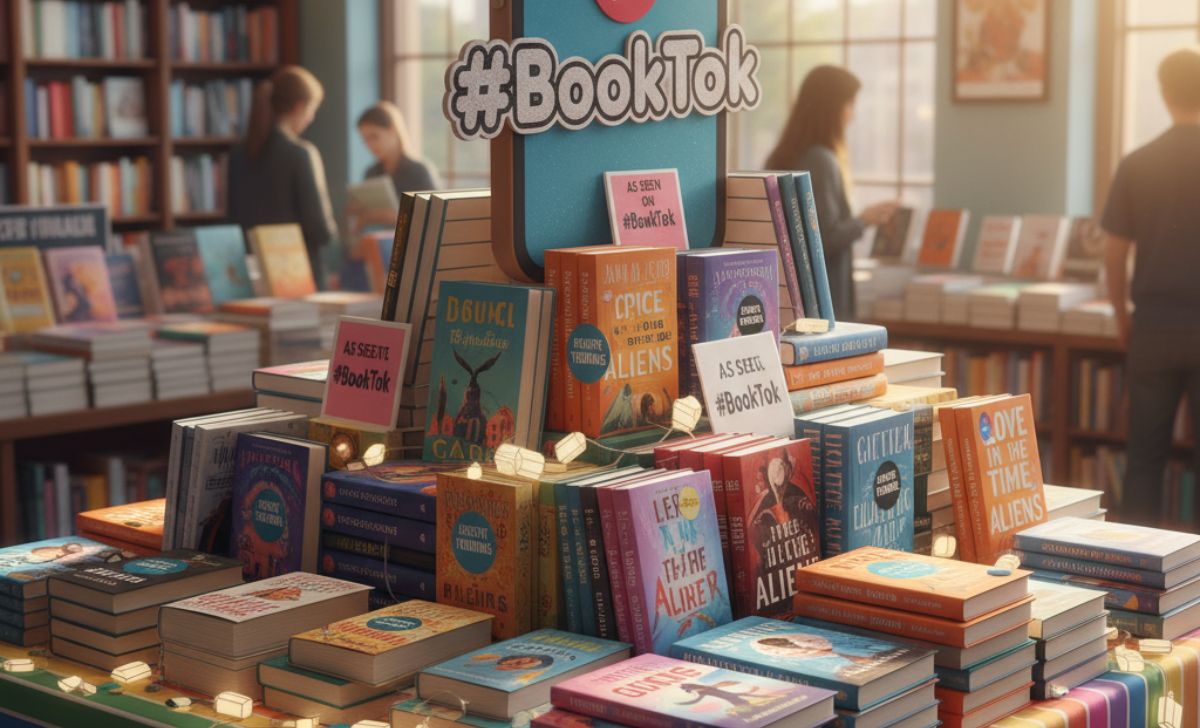
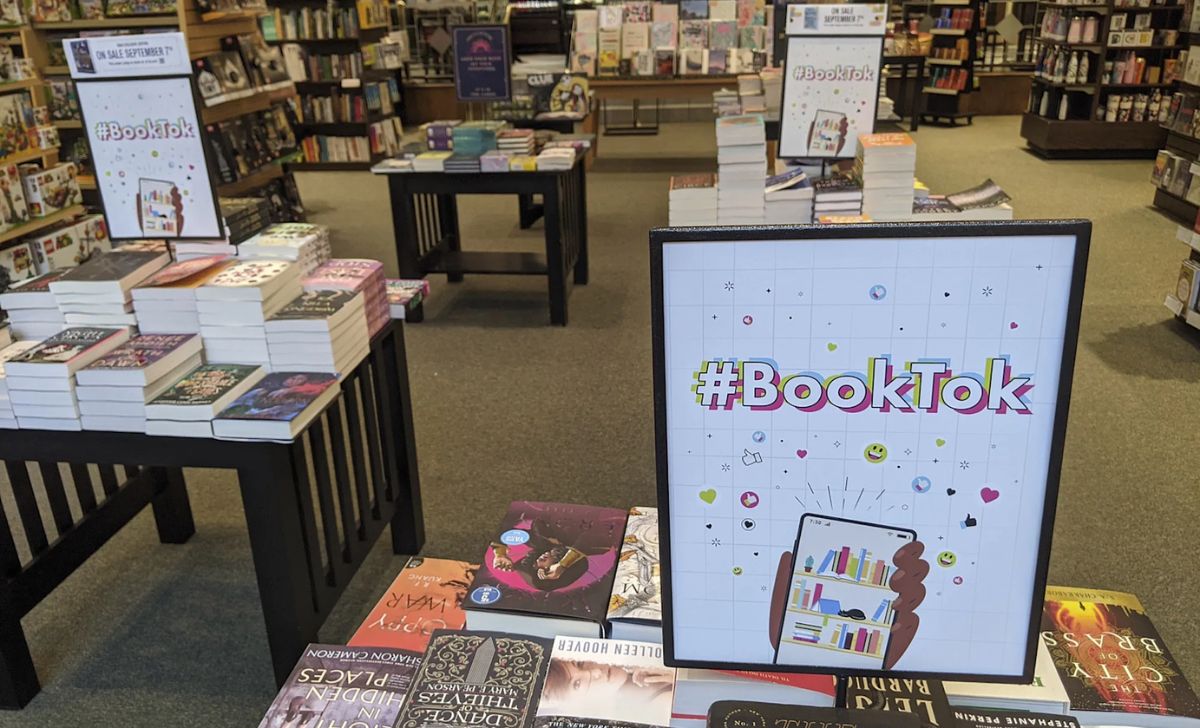
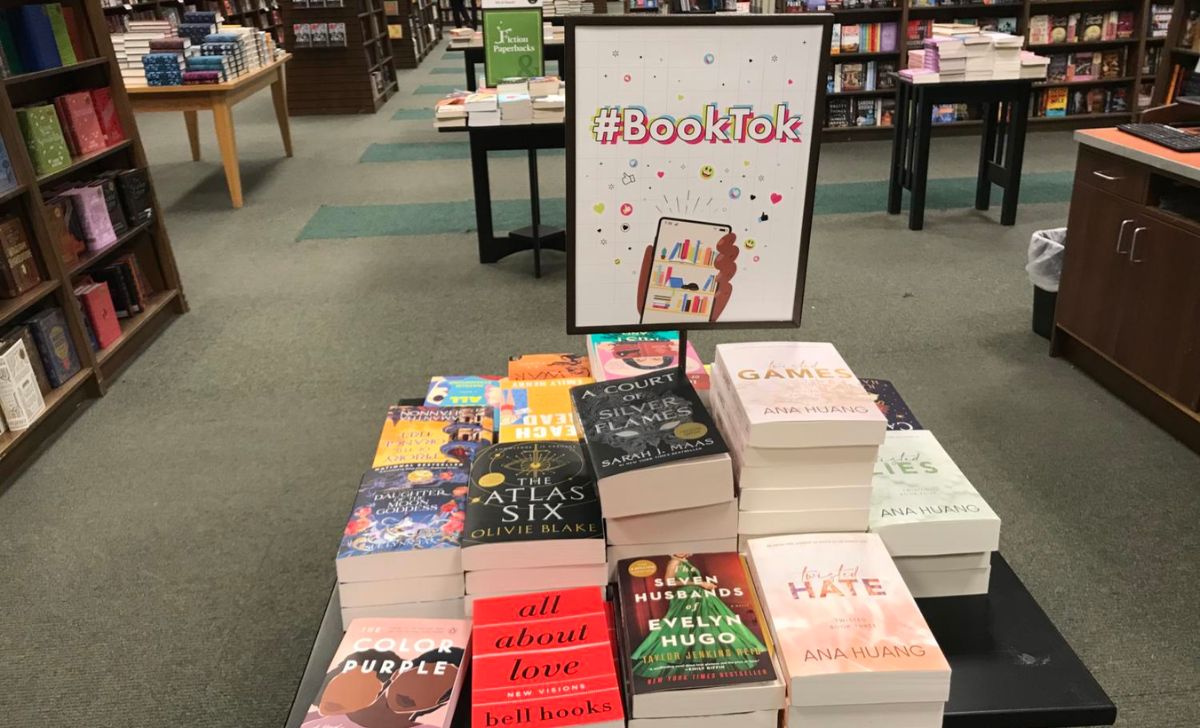
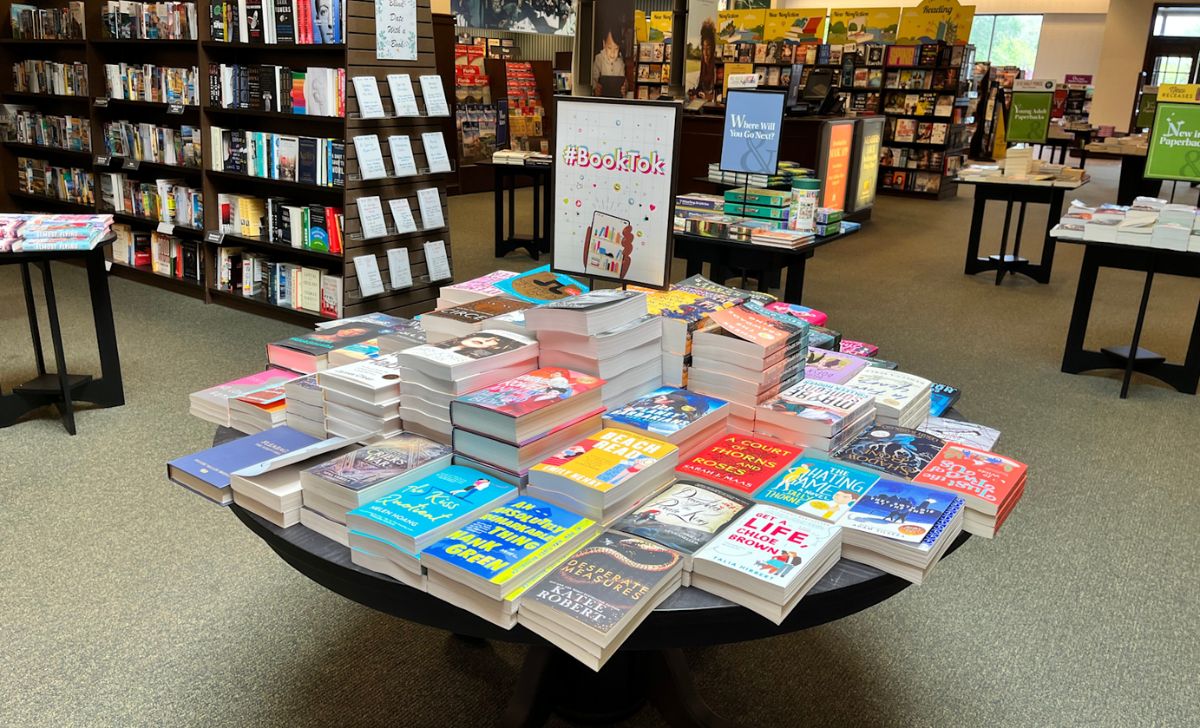
The influence extends to retail strategies, with major bookstores like Barnes & Noble, Target, and Walmart creating dedicated BookTok displays. These displays have become significant revenue drivers, with books featured on BookTok seeing an average 600% increase in sales. The visual merchandising strategies of bookstores have evolved to mirror the aesthetic preferences of BookTok creators, emphasizing colorful covers and attractive book arrangements.
Publishers have also discovered new talent through the platform, with authors like Lucy Score, Hannah Grace, and Jasmine Mas beginning with self-publishing and gaining traction on TikTok before securing significant publishing contracts. This pathway has created new opportunities for authors who might have struggled to break into traditional publishing through conventional channels.
Independent Authors and Self-Publishing Success
BookTok has become particularly transformative for independent authors, offering unprecedented free promotion for writers without traditional marketing budgets. Success stories like Jeneane O’Riley, whose self-published fantasy romance climbed to the top of Amazon’s charts after a single BookTok video garnered over six million views, demonstrate the platform’s potential to launch careers.
The platform has created a more level playing field where indie authors can compete directly with traditionally published works. Self-published authors like Ryan Beswick, whose book became the number one folklore bestseller on Amazon in 2022, credit BookTok with literally changing their lives. These success stories have inspired countless other writers to pursue self-publishing routes, knowing that social media visibility can substitute for traditional marketing budgets.
The direct-to-consumer model has been particularly empowered by BookTok, allowing authors to build dedicated fan bases and maintain closer relationships with readers. This shift has reduced dependence on traditional publishing gatekeepers and created new revenue streams for creative professionals.
Diversity and Representation Challenges
Despite its democratizing potential, BookTok faces significant diversity challenges that reflect broader issues within the publishing industry. Critics have noted the glaring lack of representation for authors of color and LGBTQ+ creators, with some BookTok displays in major retailers featuring no romance authors of color despite serving predominantly diverse communities.
However, the platform has also empowered diverse creators to challenge these limitations. Muslim BookTok creator Azanta Thakur founded BookTalk, a virtual book conference aimed at connecting authors, publishers, and creatives while raising the profile of marginalized voices. Similarly, creators like Kaley from @chronicallybookish focus on representing people with disabilities, while others dedicate their platforms to promoting books by authors of color.
The authenticity-driven nature of BookTok has created opportunities for underrepresented voices to find audiences organically, though systemic barriers within traditional publishing continue to limit overall representation. The platform’s influence has encouraged publishers to reconsider their diversity initiatives, recognizing that diverse books do sell and that there’s an actively growing audience seeking greater representation.

Economic Impact and Market Transformation
The economic implications of BookTok extend far beyond individual book sales. The platform has contributed to a revival of independent bookstores and overall growth in the book retail sector. Barnes & Noble has opened 30 new bookstores and renovated existing ones, with executives attributing much of their recent success to BookTok-driven traffic.
Print book sales specifically have experienced remarkable growth, contradicting predictions about the dominance of digital formats. BookTok’s emphasis on physical books for aesthetic and video purposes has reinvigorated the print market, with many readers preferring physical copies for display and sharing purposes.
The platform has also created new revenue streams within the publishing ecosystem. Publishers, bookstores, and authors are investing in social media marketing strategies specifically designed for TikTok, while creators are monetizing their influence through brand partnerships, affiliate marketing, and direct author collaborations.
Content Strategies and Marketing Evolution
BookTok has established specific content formats that consistently drive engagement and sales. Book aesthetic videos, trope highlighting, and behind-the-scenes author content have emerged as the most effective promotional strategies. These formats allow creators to showcase books in visually appealing ways while building personal connections with their audiences.
Cinematic content creation has become increasingly important, with high-quality book trailers and visual teasers gaining prominence. Authors and publishers are investing in professional video content that can compete for attention in TikTok’s fast-paced environment, moving beyond simple book recommendations toward more sophisticated multimedia marketing.
The collaborative nature of BookTok has created new partnership opportunities between authors, creators, and publishers. Micro-influencer collaborations (creators with 10,000-50,000 followers) have proven particularly effective for authentic book promotion, often yielding better engagement rates than partnerships with larger influencers.
Looking Forward: Challenges and Opportunities
As BookTok continues to evolve, several challenges and opportunities are emerging. The potential TikTok ban in the United States has created uncertainty within the publishing industry, with authors and publishers scrambling to build audiences on alternative platforms. While other social media platforms like Instagram Reels and YouTube Shorts exist, none currently offer the same discovery potential that makes BookTok uniquely powerful.
The oversaturation of content presents ongoing challenges for discoverability. As more authors and creators join the platform, standing out becomes increasingly difficult, requiring more sophisticated content strategies and authentic community building. Publishers and authors must develop innovative approaches to cut through the noise and reach their target audiences effectively.
AI integration is beginning to influence BookTok content creation, with tools emerging to help authors and creators optimize their social media strategies. However, the platform’s emphasis on authentic human connection suggests that AI-generated content may struggle to achieve the emotional resonance that drives BookTok success.