


Digital content creation continues evolving rapidly, with blogging about comics and books positioned to experience unprecedented growth in 2026. The global comic book market reached $16.8 billion in 2024 and is projected to grow at a 6.6% CAGR through 2034, while digital comic platforms show explosive expansion with expected growth from $3.2 billion to $7.1 billion by 2033. As this creative boom unfolds, understanding the best practices for blogging about comics and books in 2026 will be essential for publishers and content creators aiming to capture significant market share in this expanding landscape.
Foundation: SEO-First Content Strategy
Master Keyword Research and Search Intent
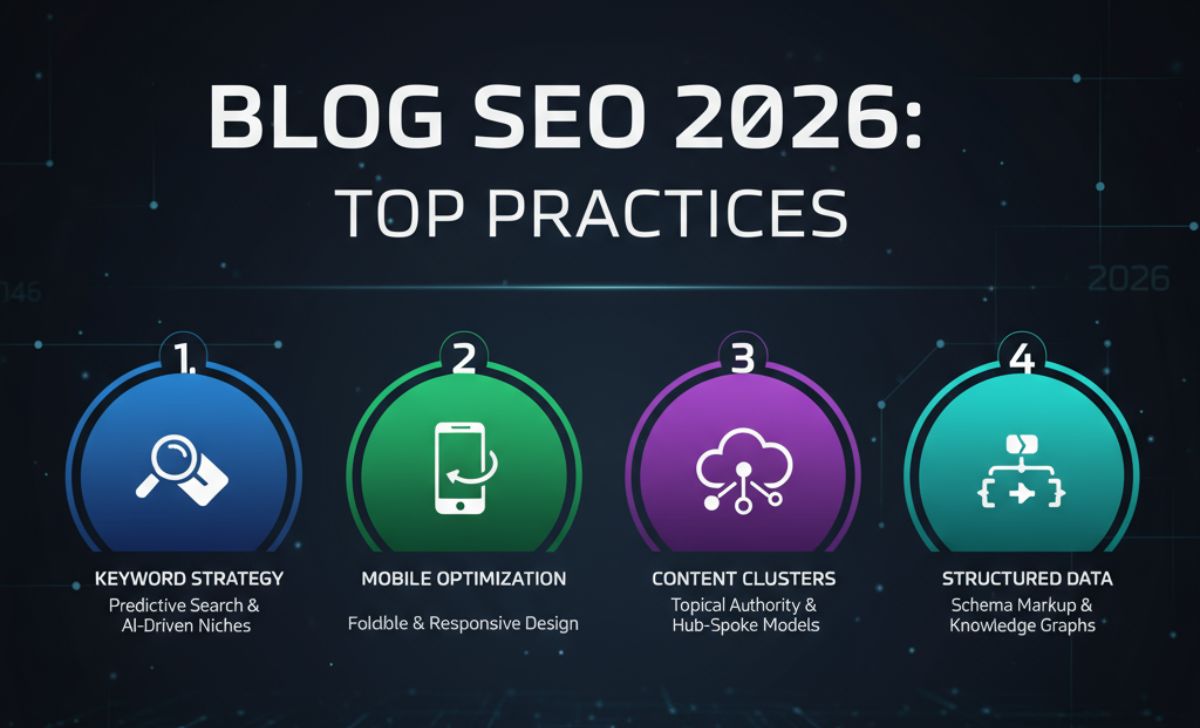
Traditional keyword stuffing approaches fail in 2026’s search landscape. Successful comic and book bloggers begin every post with comprehensive keyword research targeting long-tail, low competition keywords specific to their niche. Start by identifying 30+ keywords within your specialty—whether superhero comics, indie graphic novels, or specific book genres. Prioritize search intent alignment over keyword density, ensuring content matches what readers actually seek when searching for comic character origins or book recommendations.
Google’s algorithm updates increasingly reward content that demonstrates true understanding of search intent. When targeting “Batman comic origins,” readers expect comprehensive character background, publication history, and story arc analysis—not surface-level summaries. Research competitors ranking in top positions to understand content depth and format expectations, then create superior resources with unique insights and comprehensive coverage.
Implement Advanced SEO Techniques for 2026
Search engine optimization in 2026 operates as both traditional SEO and Generative Engine Optimization (GEO). Optimize content for AI-powered search results and traditional blue link rankings. Include structured data markup for comic characters, book reviews, and publication details. Schema markup helps search engines understand content context, increasing chances for featured snippets and knowledge panel inclusion.
Focus on topic clustering rather than isolated posts. Build pillar pages around broad topics like “Marvel Character Origins” then create supporting content for specific characters, linking strategically between related posts. This approach establishes topical authority and improves overall domain rankings.
Optimize for Mobile-First Experience
With 68% of comic reading app users accessing content via smartphones, mobile optimization becomes critical. Ensure fast loading speeds, responsive design, and thumb-friendly navigation. Core Web Vitals directly impact rankings—prioritize Largest Contentful Paint under 2.5 seconds, First Input Delay under 100 milliseconds, and minimal Cumulative Layout Shift.
Content Creation Excellence
Develop Comprehensive, Authority-Building Content
Quality trumps quantity in 2026’s competitive landscape. Create in-depth, evergreen content exceeding 1,500 words that thoroughly explores topics. When covering comic character origins, include publication history, key story arcs, character development, cultural impact, and connections to broader comic universe. This comprehensive approach satisfies reader curiosity while demonstrating expertise to search algorithms.
Expert insights and original research separate successful blogs from generic content. Interview comic creators, attend conventions for exclusive coverage, or conduct reader surveys for unique data. Original research generates natural backlinks and social shares while establishing credibility within the community.
Master Visual Content Integration
Visual content receives 94% more views than text-only posts and generates 40 times more social shares. Comic and book blogs particularly benefit from visual elements—character artwork, book covers, infographics, and comparison charts enhance reader engagement and comprehension.
Incorporate diverse visual formats including custom graphics, annotated screenshots, character relationship diagrams, and timeline infographics. Posts with more than seven images generate 116% more organic traffic compared to image-free content. Balance visual richness with loading speed optimization through image compression and appropriate file formats.
Create Interactive and Multimedia Elements
Interactive content transforms passive reading into engaging experiences. Embed polls asking readers to vote on favorite characters, create interactive timelines of comic storylines, or develop character comparison tools. Interactive elements increase dwell time and reduce bounce rates—critical ranking factors in 2026.
Video content integration becomes increasingly important, with blog posts containing videos receiving 83% more traffic than those without. Create character analysis videos, book review discussions, or behind-the-scenes convention coverage. Even short video introductions or summary content enhances engagement metrics.
Platform Optimization and Technical Excellence
Build Multi-Channel Content Distribution
Successful comic and book bloggers in 2026 distribute content across multiple platforms while maintaining their blog as the primary hub. Share content on TikTok (BookTok), Instagram Reels, YouTube Shorts, and Twitter to reach diverse audiences. Each platform requires tailored content—short-form video teasers for TikTok, detailed image carousels for Instagram, and discussion threads for Twitter.
Cross-platform promotion amplifies reach without duplicating effort. Create platform-specific versions of blog content: extract key quotes for Twitter threads, develop visual summaries for Instagram stories, and produce short video highlights for TikTok. This omnichannel approach captures audiences across their preferred platforms while driving traffic back to comprehensive blog posts.
Implement Advanced Email Marketing Strategies
Email marketing delivers exceptional ROI for content creators, with personalized campaigns showing significant engagement improvements. Build segmented email lists based on reader interests—separate lists for Marvel fans, DC enthusiasts, indie comic readers, or specific book genres. Personalization extends beyond using subscriber names to include content recommendations based on reading history and engagement patterns.
Interactive email elements transform newsletters from static updates into engaging experiences. Include embedded polls about upcoming content topics, product carousels featuring recommended books, or exclusive preview content for subscribers. These elements increase engagement rates while providing valuable audience insights for content planning.
Leverage Community Building and Direct Engagement
Direct reader engagement builds loyal communities that generate consistent traffic and social proof. Create private Facebook groups, Discord servers, or Reddit communities for exclusive discussions, early content access, and reader feedback. These communities provide content ideas, user-generated content opportunities, and direct marketing channels.
Host regular live events—virtual book clubs, character analysis sessions, or Q&A discussions about recent releases. Live engagement builds personal connections while creating content for future blog posts. Record sessions for blog integration and social media distribution, maximizing content value across multiple formats.
Content Monetization and Business Strategy
Diversify Revenue Streams
Successful comic and book bloggers develop multiple income sources beyond traditional advertising. Affiliate marketing through Amazon Associates, comic book retailers, or bookstore partnerships generates commission-based revenue. Create honest, detailed reviews with purchasing links, ensuring transparency about affiliate relationships to maintain reader trust.
Develop premium content offerings—exclusive newsletters, detailed character analysis guides, or early access to reviews. Subscription models through Patreon or similar platforms provide recurring revenue while building dedicated communities. Offer tiered access with increasing benefits to encourage higher subscription levels.
Create Valuable Lead Magnets
Develop compelling lead magnets that capture email addresses while providing genuine value. Create downloadable character guides, reading order recommendations, or exclusive interviews with comic creators. These resources attract subscribers while demonstrating expertise and content quality.
Design lead magnets for specific audience segments—beginner guides for new readers, advanced analysis for hardcore fans, or genre-specific recommendations. Targeted lead magnets improve conversion rates while helping segment email lists for more effective marketing.
Build Authority Through Thought Leadership
Establish expertise through original analysis, trend predictions, and industry commentary. Cover emerging comic publishers, analyze market trends, or predict upcoming storylines based on publisher hints. Original insights generate media coverage, guest posting opportunities, and speaking engagements that expand reach and credibility.
Participate in industry discussions, comment thoughtfully on social media, and engage with creators and publishers. Building relationships within the comic and book communities provides insider access, exclusive content opportunities, and collaborative partnerships that enhance blog authority.

Performance Optimization and Analytics
Track Meaningful Metrics Beyond Vanity Numbers
Focus on metrics that correlate with business goals rather than surface-level engagement. Track conversion rates from blog posts to email signups, affiliate click-through rates, and average session duration. These metrics indicate content effectiveness and audience engagement quality.
Monitor brand mention growth across social platforms, inclusion in AI-generated search results, and referral traffic from industry websites. These signals indicate growing authority and influence within the niche, leading to long-term organic growth.
Implement Continuous Content Optimization
Regularly audit and update existing content to maintain relevance and rankings. Comic storylines evolve, new books release, and character developments require content updates. Schedule quarterly content reviews to refresh outdated information, add new insights, and improve SEO optimization.
Use Google Search Console to identify declining posts and optimization opportunities. Update meta descriptions, add internal links to newer content, and expand thin content with additional insights. This ongoing optimization maintains search visibility while maximizing existing content value.
Plan Content Calendars Around Industry Events
Comic and book industries follow predictable release schedules and event calendars. Plan content around comic convention seasons, major book releases, movie adaptations, and publisher announcements. This strategic timing captures increased search volume and reader interest around relevant topics.
Create evergreen content that remains valuable beyond immediate events while developing timely pieces that capitalize on trending topics. Balance planned content with flexibility to cover breaking news, surprise announcements, or viral industry discussions.
Future-Proofing Your Blog Strategy
Embrace Emerging Technologies
Stay ahead of technological developments affecting content consumption. Augmented reality integration, interactive storytelling elements, and AI-powered content personalization represent growing opportunities. Experiment with new formats while maintaining focus on core content quality and reader value.
Consider voice search optimization as smart speaker adoption grows. Structure content to answer common questions about comics and books using natural language patterns. Featured snippet optimization becomes increasingly important as voice assistants rely on these results for spoken answers.
Build Sustainable Content Systems
Develop content creation systems that scale efficiently without sacrificing quality. Create templates for recurring content types—character profiles, book reviews, or series analyses. Standardized formats improve consistency while reducing creation time for regular content types.
Build content repurposing workflows that maximize value from research and writing efforts. Transform long-form blog posts into social media series, newsletter content, video scripts, and podcast episodes. This systematic approach increases content output while maintaining quality standards.
Comic and book blogging in 2026 rewards creators who combine deep subject knowledge with sophisticated digital marketing strategies. Success requires balancing SEO optimization with authentic passion for the medium, technical excellence with creative storytelling, and community building with business acumen. Publishers and bloggers who master these integrated approaches will thrive in the expanding digital comic and book marketplace, building sustainable businesses while serving passionate reader communities.