
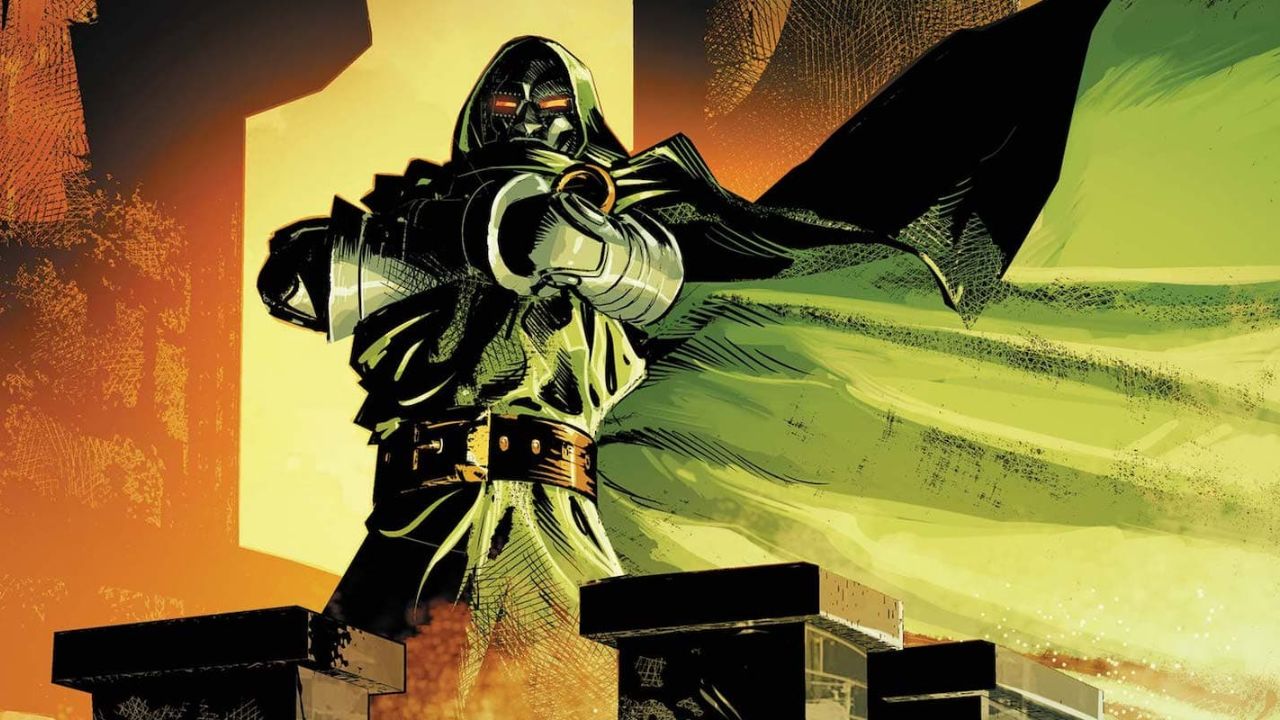
If you’ve been following the MCU’s long march toward its next defining crossover, one thing is clear: when Marvel puts the word Doom in a title, it’s never just for flair. Avengers: Doomsday is positioned as a Phase Six milestone, and all signs point to Doctor Doom stepping into a role far bigger than a standard villain.
That makes this the ideal moment to go back to the comics—not to hunt spoilers, but to understand the DNA of the story Marvel is adapting. Doom is not a simple antagonist. He is a monarch, a sorcerer, a scientist, a revolutionary, and—depending on the story—a tragic figure who genuinely believes the world would be better under his rule.
This reading order isn’t a random pile of famous issues. It’s a narrative path designed to help you understand Doom: where he comes from, how his mind works, and why he’s one of the few characters who can credibly threaten Avengers, gods, and entire realities. Each section below includes plot detail, thematic relevance, and why it matters in the run-up to Avengers: Doomsday.
Why reading the comics actually matters this time
Marvel movies often borrow broad ideas from the comics, but Doom is a character where nuance matters. His motivations aren’t rooted in chaos or cruelty for its own sake. Doom believes he is right. He believes order, strength, and intelligence—his intelligence—are the only things standing between humanity and extinction.
When films adapt Doom without this foundation, he risks becoming just another armored tyrant. The comics listed here show why Doom is different: why heroes fear him, why villains respect him, and why readers sometimes find themselves uncomfortably agreeing with him.
If Avengers: Doomsday aims to make Doom a saga-level threat, these stories are the emotional and philosophical blueprint.
Start at the beginning: Doom’s origin and identity
Fantastic Four #5 — The first appearance of Doctor Doom
Every Doom story begins here. This early issue introduces Victor von Doom as both a scientific genius and a ruler obsessed with reclaiming honor and power. While the storytelling reflects its era—bold dialogue, simple conflicts—the core elements are already present: rivalry with Reed Richards, the fusion of science and sorcery, and Doom’s unwavering belief in his own superiority.
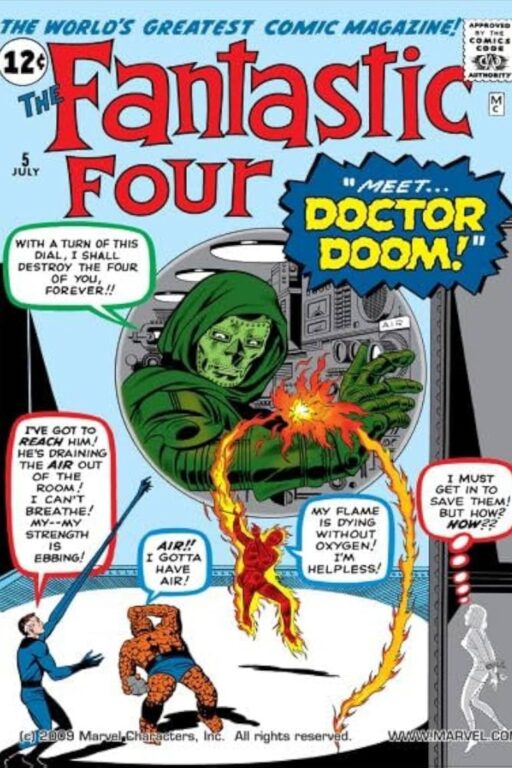
This issue establishes Doom not just as an enemy of the Fantastic Four, but as someone whose ambitions naturally bring him into conflict with all heroes. Reading this gives you the raw template from which every later interpretation evolves.
Books of Doom — The definitive modern origin
If Fantastic Four #5 is the skeleton, Books of Doom is the living body.
This miniseries reimagines Doom’s life from childhood onward, presenting him as a brilliant boy shaped by tragedy, poverty, and obsession. You see his mother’s fate, his early fascination with forbidden knowledge, and the personal failures that harden him into the man who will eventually rule Latveria.
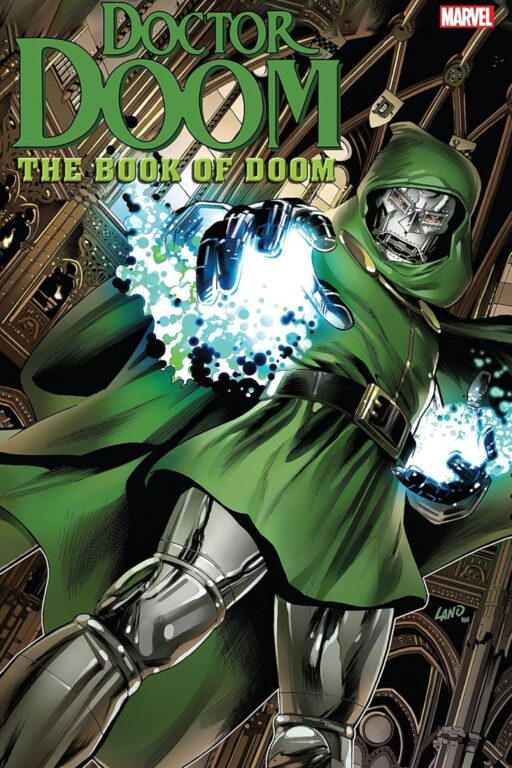
What makes this story essential is its restraint. Doom is not softened, but he is humanized. His cruelty grows from conviction, not impulse. By the end, you understand why Doom sees himself as the only person capable of saving the world—even if that salvation requires tyranny.
For anyone preparing for a cinematic Doom, this is non-negotiable reading.
Doom and magic: the side the movies can’t ignore
Doctor Strange & Doctor Doom: Triumph and Torment
This graphic novel is often cited as one of the greatest Doom stories ever written—and with good reason.
The plot centers on Doom’s attempt to free his mother’s soul from Hell, forcing him into an uneasy alliance with Doctor Strange. What follows is a descent into the supernatural, where Doom’s armor and arrogance offer no protection from the raw consequences of his choices.
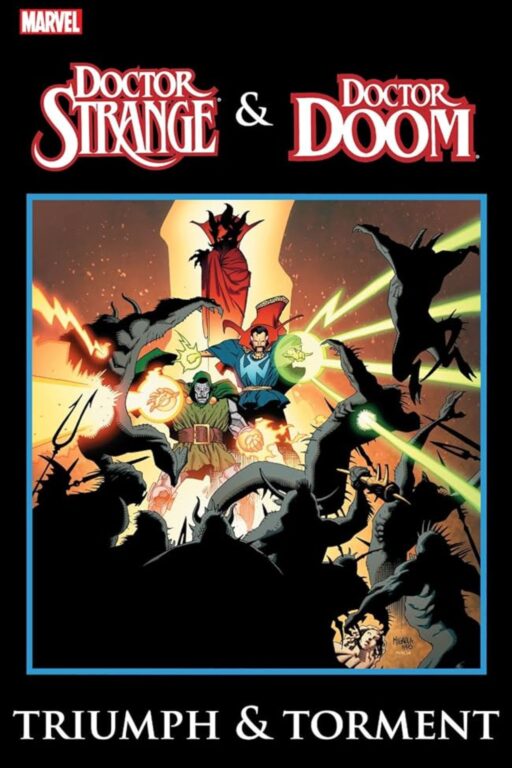
This story matters because it strips Doom down to his emotional core. His love for his mother is genuine. His willingness to bargain with demons is sincere. And his pride—so absolute that it nearly costs him everything—is on full display.
If Avengers: Doomsday leans into Doom as both scientist and sorcerer, this is the tonal reference point.
Doom as a rival to Earth’s greatest minds
Doomquest — Doctor Doom vs. Iron Man
“Doomquest” is a high-concept adventure that pairs Doom with Iron Man in a story that blends time displacement, technological warfare, and ideological conflict.
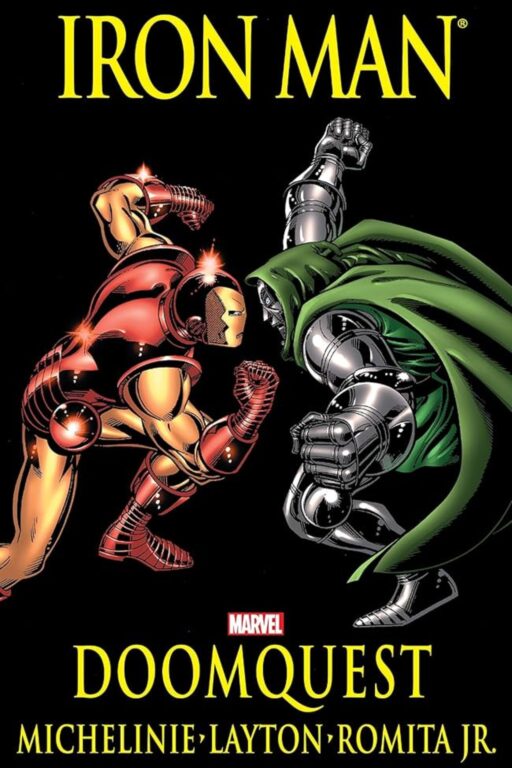
Beyond the spectacle, this arc reinforces something crucial: Doom sees himself as Tony Stark’s equal—or superior. Where Stark improvises, Doom plans. Where Stark protects, Doom conquers. Their clashes are less about fists and more about worldview.
With Iron Man’s legacy looming large over the MCU, this rivalry feels especially relevant. Even without Tony Stark in the picture, Doom’s relationship with advanced technology—and his belief that he should control it—remains a key theme.
Doom the ruler: power through control, not chaos
Emperor Doom
In Emperor Doom, Victor von Doom executes a near-perfect plan to seize control of the world—not through war, but through manipulation and psychological dominance.
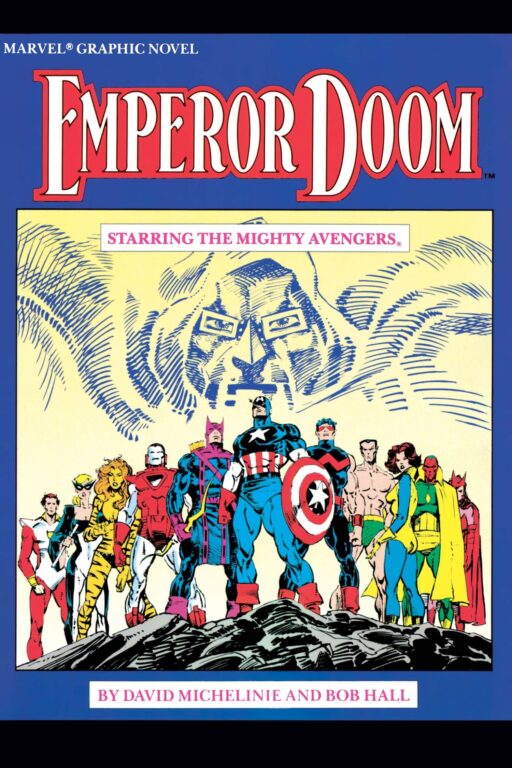
This story is important because it shows Doom at his most terrifying: calm, patient, and successful. Heroes struggle not because Doom is stronger, but because he has already accounted for their resistance. He understands institutions, media, and public perception better than anyone else in the room.
If the movie explores Doom as a political force rather than just a battlefield threat, this story provides a sharp example of how that plays out.
Doomwar — Latveria versus the world
Doomwar escalates everything. Doom targets global resources, particularly those tied to Wakanda, and launches a conflict that blends military strategy with ancient magic.
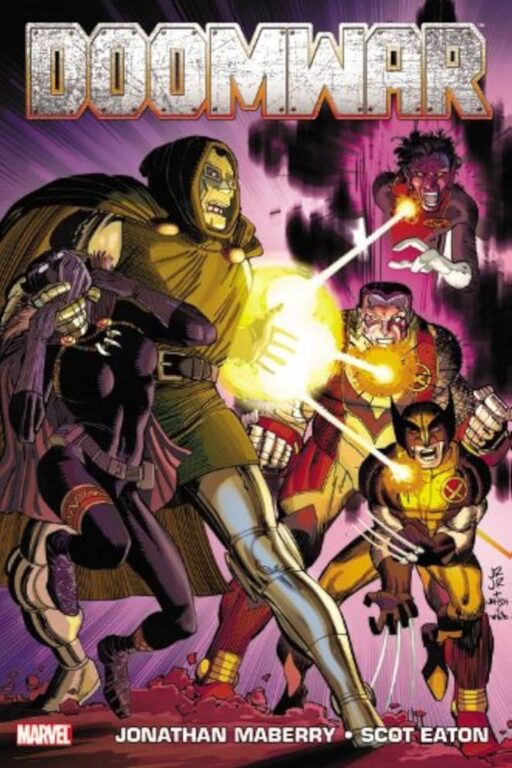
Here, Doom isn’t a rogue operator—he’s a head of state leading armies. The story emphasizes his ability to plan wars on multiple fronts, exploiting both mystical and technological weaknesses in his enemies.
This is Doom as a global problem, not a personal feud. It’s easy to imagine elements of this arc influencing the scale and stakes of Avengers: Doomsday.
Doom and the multiverse: when ambition becomes godhood
Avengers: Time Runs Out
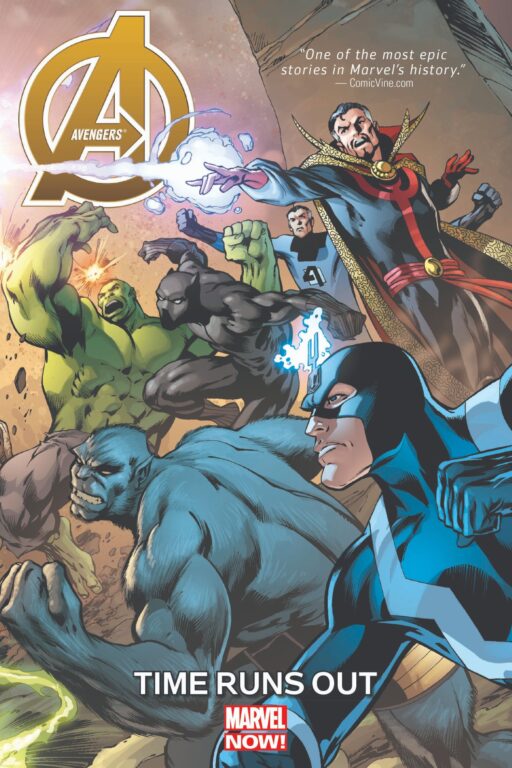
This arc sets the stage for one of Marvel’s biggest events by pushing the Avengers into a desperate struggle against collapsing realities. Doom’s role grows steadily, positioning him not just as an antagonist, but as someone who understands the true scope of the threat better than most heroes.
The tension here isn’t about winning—it’s about survival.
Secret Wars (2015)
This is the crown jewel of modern Doom stories.
After the multiverse collapses, Doom emerges as God Emperor Doom, ruling over a patchwork reality known as Battleworld. He has ultimate power, near-total control, and the worship of those who depend on him.
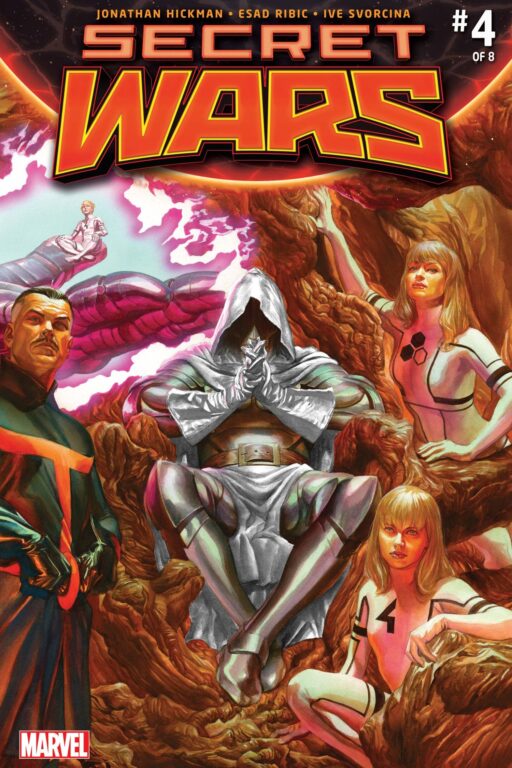
What makes this story powerful is not the spectacle, but the inevitability of Doom’s failure. Even with godlike power, his flaws remain. His need for validation. His fear of Reed Richards. His belief that order justifies everything.
If Avengers: Doomsday involves multiversal stakes, echoes of this story are almost guaranteed.
Doom attempts redemption—on his own terms
Infamous Iron Man
After losing godhood, Doom tries something radical: becoming a hero.
Taking on the mantle of Iron Man, Doom sets out to prove that he can protect the world better than Tony Stark ever did. The result is fascinating and unsettling. Doom saves lives, but never stops being Doom.
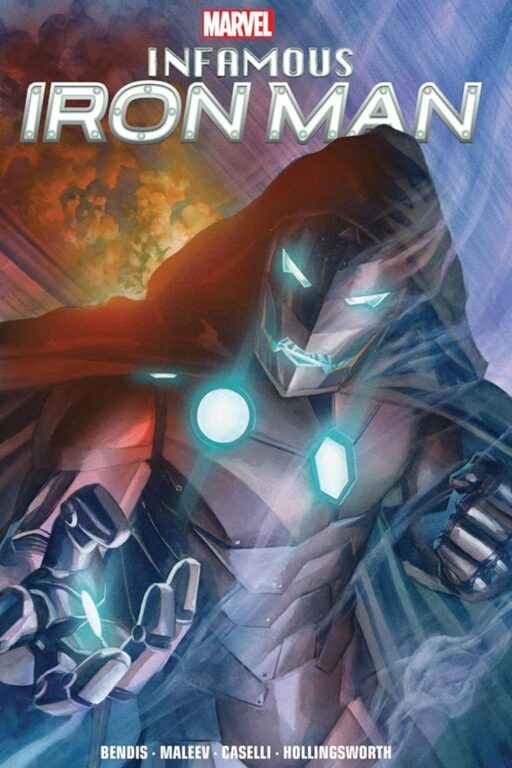
This series matters because it explores the central question of his character: is Doom evil, or simply convinced that only he is capable of doing what must be done?
That question is likely to sit at the heart of Avengers: Doomsday.
Modern Doom: ruling in the present era
One World Under Doom and related modern arcs
Recent Doom-focused stories bring him fully into contemporary Marvel continuity. These arcs depict a world shaped directly by Doom’s leadership—its benefits, its horrors, and its resistance movements.
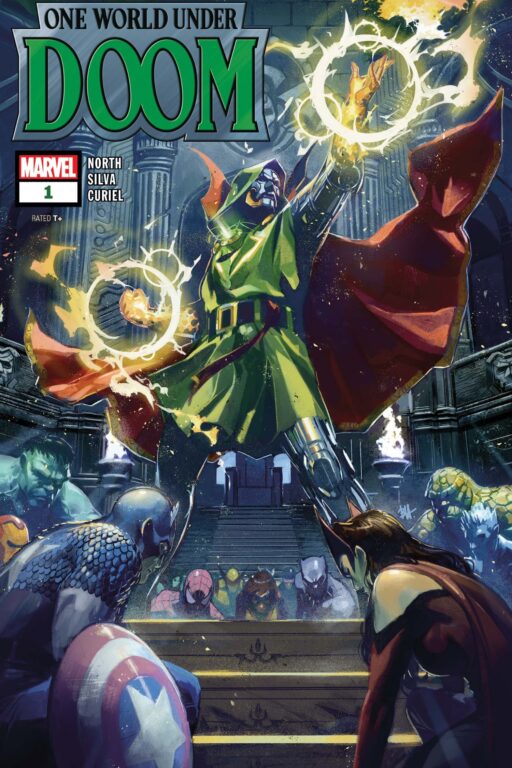
They show how writers today interpret Doom’s relevance in a modern political and technological landscape. For readers preparing for a film released in 2026, these stories offer the closest tonal match to what we may see onscreen.
Recommended reading order
If you want a smooth experience without jumping across eras too abruptly, follow this order:
- Fantastic Four #5
- Books of Doom
- Doctor Strange & Doctor Doom: Triumph and Torment
- Doomquest
- Emperor Doom
- Doomwar
- Avengers: Time Runs Out
- Secret Wars (2015)
- Infamous Iron Man
- One World Under Doom and related modern stories
If time is limited, focus on Books of Doom, Triumph and Torment, Doomwar, and Secret Wars.
What these comics reveal about Avengers: Doomsday
Without speculating wildly, these stories suggest a few likely directions:
- Doom will be portrayed as more than a brute-force villain
- Political power and public perception will matter
- Magic and science will be treated as equal forces
- Multiversal or reality-altering stakes are very much on the table
Most importantly, Doom will almost certainly be framed as a character who believes he is saving the world—even as the Avengers try to stop him.
Final takeaway
Doctor Doom is one of Marvel’s richest creations because he operates in moral gray zones most villains never reach. He doesn’t want to watch the world burn. He wants to run it—and he has decades of stories arguing that he might actually succeed.
Reading these comics before Avengers: Doomsday won’t just prepare you for plot points. It will prepare you for perspective. When Doom finally steps into the spotlight, you won’t just see a villain—you’ll see a man convinced that history will eventually thank him.