
The Armenian Genocide: A Haunting Chapter in History remains one of the darkest stains on humanity’s past—a tragedy that still echoes through generations. Rooted in centuries of persecution and culminating during the chaos of World War I, the systematic extermination of Armenians by the Ottoman Empire not only claimed the lives of nearly one million people but also left an enduring wound of denial, displacement, and grief.
Centuries of Oppression Before the Storm
Christian Armenians had long been a marginalized community within the Ottoman Empire. Throughout the 19th century, they were treated as second-class citizens, burdened with disproportionate taxes, denied equal rights in courts, and left vulnerable to raids by local Kurdish tribes.
In 1878, Armenian leaders attempted to secure reforms through international treaties, but Sultan Abdul Hamid II refused to honor these promises. When Armenians began to resist oppression, the sultan retaliated with brutal force. Between 1894 and 1896, the Hamidian Massacres unfolded—a campaign of violence that took over 150,000 Armenian lives. While devastating, these massacres proved to be only the beginning of a far greater catastrophe.
Rising Tensions and Broken Promises
Armenians were among the region’s most ancient peoples, with their identity deeply tied to Christianity since the 4th century. By the late 19th century, some Armenian elites had gained prominence in commerce, banking, and government roles. However, instead of fostering unity, this progress fueled suspicion among Muslim Ottomans, who feared that Armenians sought independence.
Though the Young Turk Revolution of 1908 promised equality, it soon became clear that little had changed. In 1909, another wave of massacres further devastated Armenian communities. And as the Ottoman Empire grew weaker amid the Balkan Wars and internal unrest, tensions only escalated.
World War I and the Path to Genocide
The outbreak of World War I proved catastrophic for Armenians. During a failed military campaign in the frozen Sarıkamış mountains, Ottoman general Enver Pasha blamed Armenians for the disaster, accusing them of treachery. This scapegoating marked the beginning of systemic extermination.
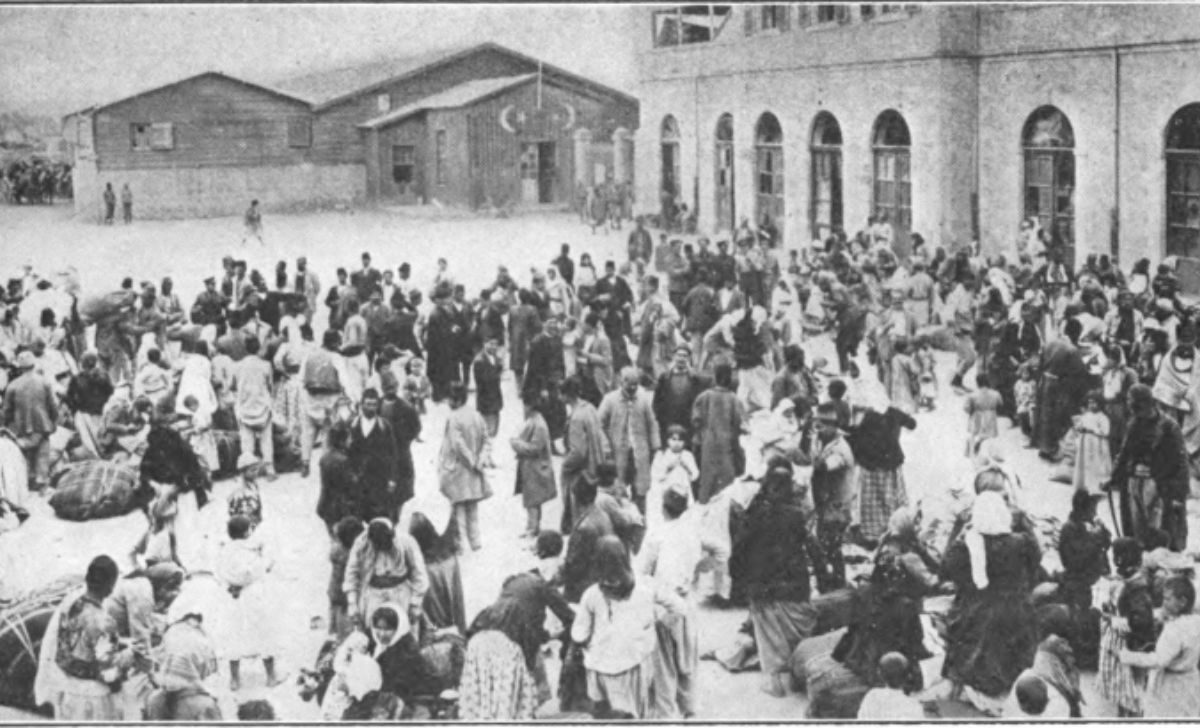
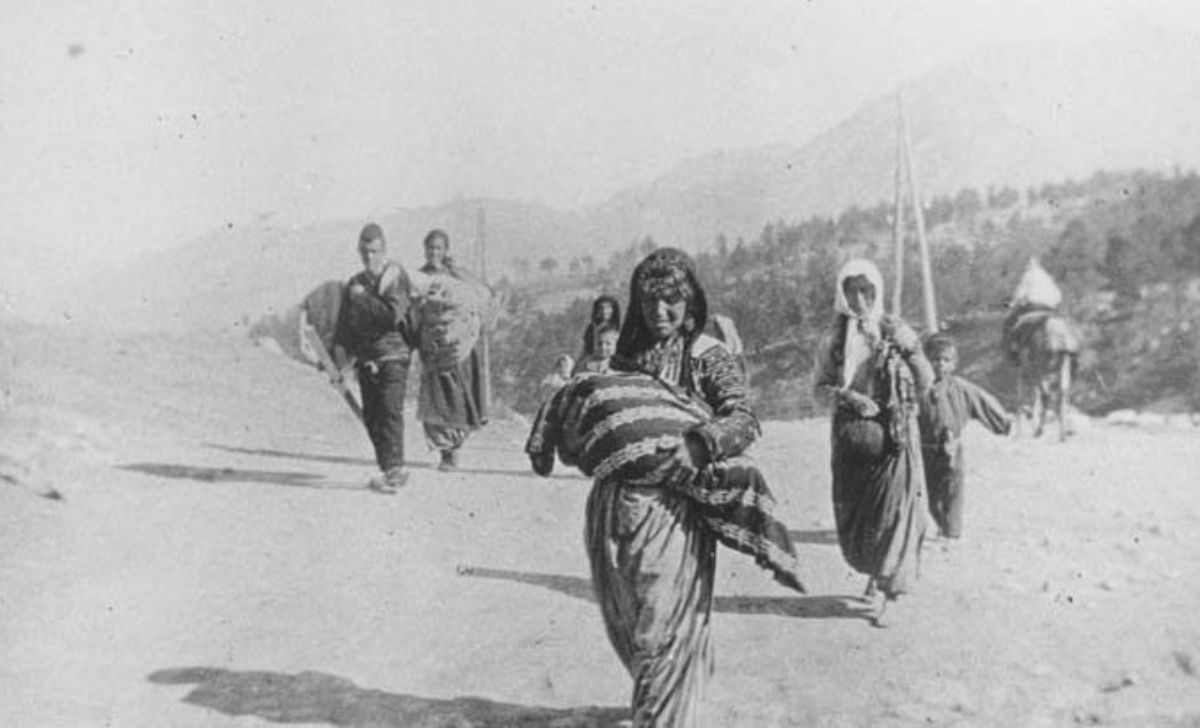
In 1915, Talaat Pasha, one of the leading figures of the Ottoman regime, ordered the deportation of Armenians from eastern Anatolia. Under the guise of national security, Armenians were stripped of property, their businesses seized, and their men systematically executed. Women and children were forced into brutal death marches through the Syrian desert. Along the way, they endured robbery, starvation, abduction, and sexual violence.
Those who survived often faced forced conversion to Islam. Children were placed in orphanages designed for indoctrination, where resistance was met with violence and torture. By 1916, the Armenian population in the Ottoman Empire had plummeted from 1.5 million to about 500,000.
A Scattered People
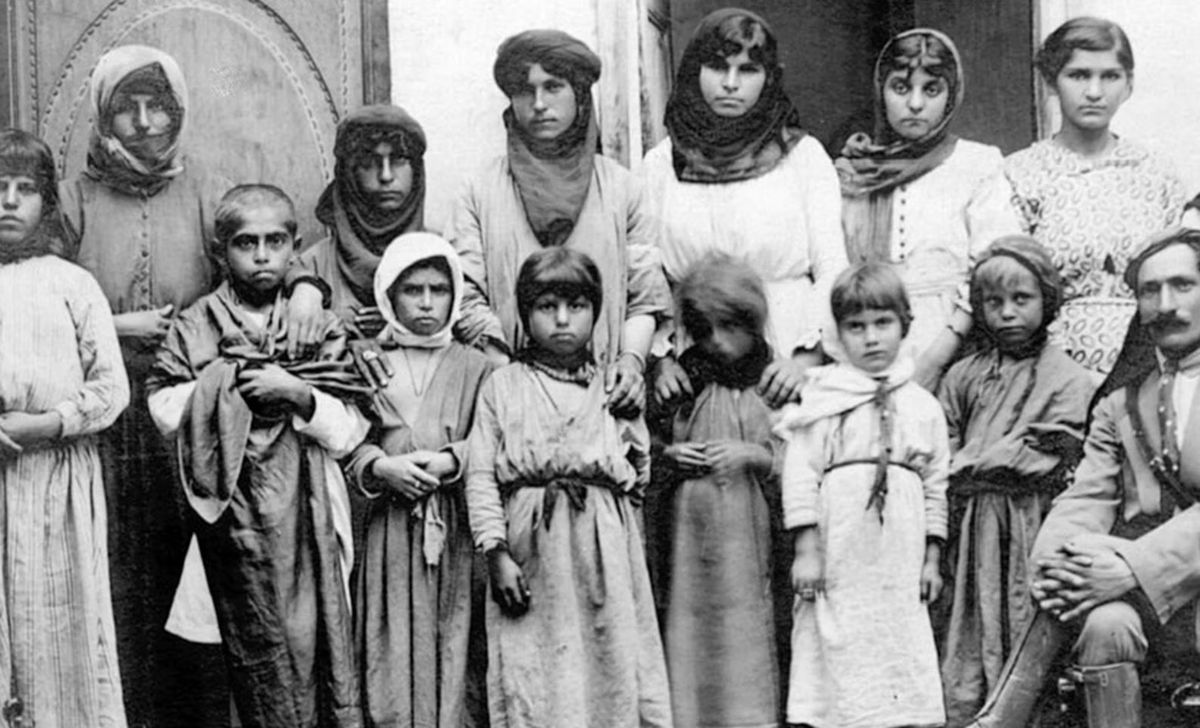
The genocide left Armenian communities shattered and displaced across the globe. Some found refuge in Russia, with their descendants later becoming part of modern-day Armenia after the nation gained independence in 1991. Others scattered across Europe, the Middle East, and the Americas, carrying with them stories of survival, trauma, and resilience.
Denial and the Struggle for Recognition
Despite overwhelming evidence, the Turkish government continues to deny the Armenian Genocide, framing the atrocities as wartime necessities rather than a deliberate plan of extermination. This denial has long compounded the pain of survivors and their descendants, who continue to seek recognition and justice.
In recent years, however, a growing number of Turkish scholars and historians have begun to challenge this official stance, bringing the truth to light despite political pressure. Around the world, Armenian communities and organizations remain steadfast in their fight for recognition, working tirelessly to ensure this history is neither forgotten nor erased.
Why Remembering Matters
The Armenian Genocide stands as a chilling reminder of the consequences of unchecked hatred, scapegoating, and systemic discrimination. Remembering this tragedy is not only about honoring the lives lost but also about acknowledging the resilience of the Armenian people and reaffirming the responsibility of future generations to resist denial and prevent history from repeating itself.