
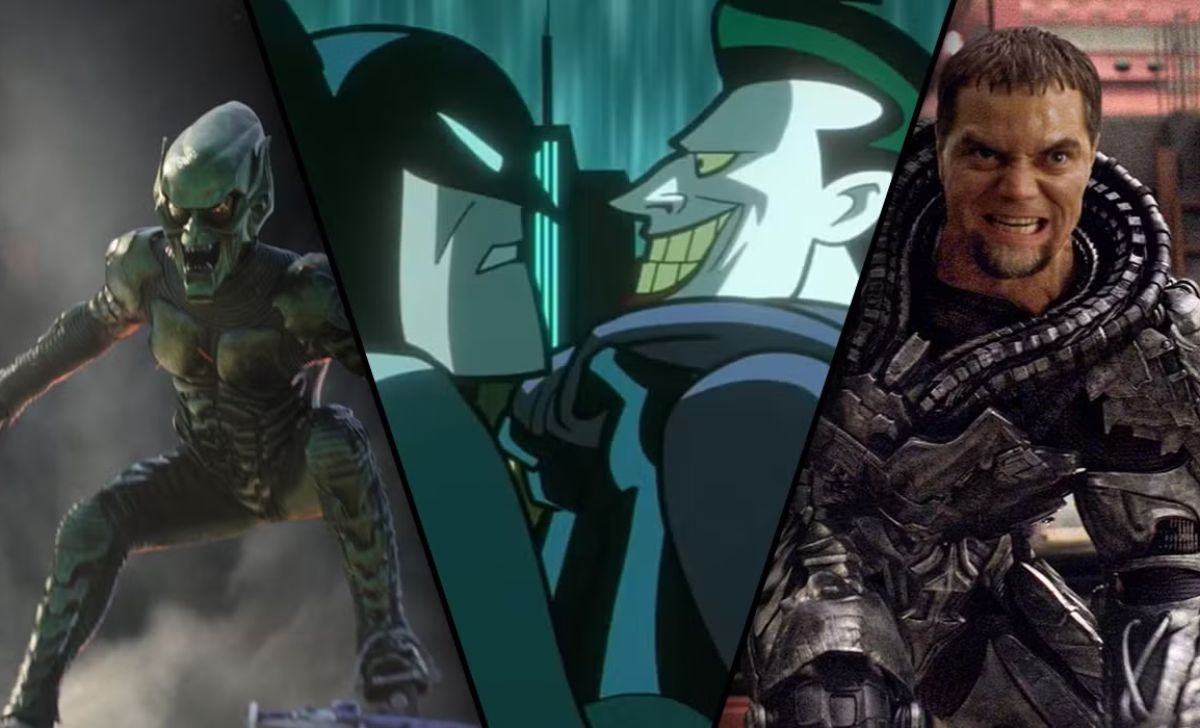
The relationship between heroes and villains is one of the oldest and most fascinating dynamics in storytelling. From ancient myths to modern superhero films, the two are bound together like light and shadow. But a question often arises: Are villains truly villains without heroes?
Do antagonists exist independently with their own ambitions, or are they defined—and even created—by the presence of heroes who oppose them? To explore this, we need to look at the psychology of hero-villain duality, examine famous rivalries in pop culture, and uncover why villains often seem incomplete without their heroic counterparts.
The Psychology of Heroes and Villains
Heroes represent ideals—justice, hope, sacrifice—while villains embody opposition—power, greed, chaos. Psychologists argue that villains are not just random characters but narrative necessities that bring balance.
- Heroes need conflict: A hero without an adversary has no challenge to overcome. Conflict drives growth, and villains are the catalysts for this.
- Villains need context: A villain plotting destruction in a world without someone to stop them is merely destructive. It is the hero’s resistance that frames their actions as villainous.
This duality mirrors Carl Jung’s concept of the “shadow self.” Heroes embody what we aspire to be, while villains embody what we fear or repress. Without one, the other loses definition.
Lex Luthor and Superman: Brains vs. Brawn
Few rivalries capture the hero-villain dynamic better than Lex Luthor vs. Superman.
- Superman’s role: He is hope personified—an alien with godlike power who chooses to protect humanity.
- Lex Luthor’s role: Without Superman, Lex would be a genius industrialist, possibly even a celebrated leader. But Superman’s existence sparks his obsession. He sees Superman as a threat to human independence, a godlike figure who makes humanity look weak.
Luthor’s villainy is deeply rooted in Superman’s presence. His envy, paranoia, and lust for power wouldn’t reach villainous heights if not for the Man of Steel constantly overshadowing him. In many ways, Superman makes Lex Luthor a villain.
Batman and the Joker: Order vs. Chaos
Perhaps the most iconic hero-villain pair is Batman and the Joker. Their relationship shows how villains can be direct reflections of heroes.
- Batman’s role: A symbol of order, justice, and discipline. He chooses to fight crime without killing, becoming a dark but moral guardian of Gotham.
- Joker’s role: A force of pure chaos. The Joker exists to challenge Batman’s ideals. He delights in breaking rules, pushing Batman to the edge, and proving that morality is fragile.
If Gotham had no Batman, the Joker might still be a criminal—but he wouldn’t be the Joker we know. His very identity revolves around mocking, testing, and corrupting Batman. Their rivalry proves that villains sometimes become themselves only when a hero exists to oppose them.
Magneto and the X-Men: Ideological Opposites
Another fascinating example is Magneto vs. Professor X and the X-Men.
- Professor X’s vision: Peaceful coexistence between humans and mutants.
- Magneto’s vision: Mutant superiority and survival at all costs.
Magneto is not inherently evil. He is a Holocaust survivor whose trauma shapes his fear that mutants will suffer the same fate as Jews under the Nazis. Without Professor X’s contrasting ideology, Magneto’s stance would look less villainous and more like a survivalist’s. It is the existence of the X-Men’s dream that defines Magneto as a villain in the narrative.
Villains Born Out of Heroic Shadows
Many villains throughout comics, films, and literature exist because heroes exist first. They are responses, reflections, or counterbalances.
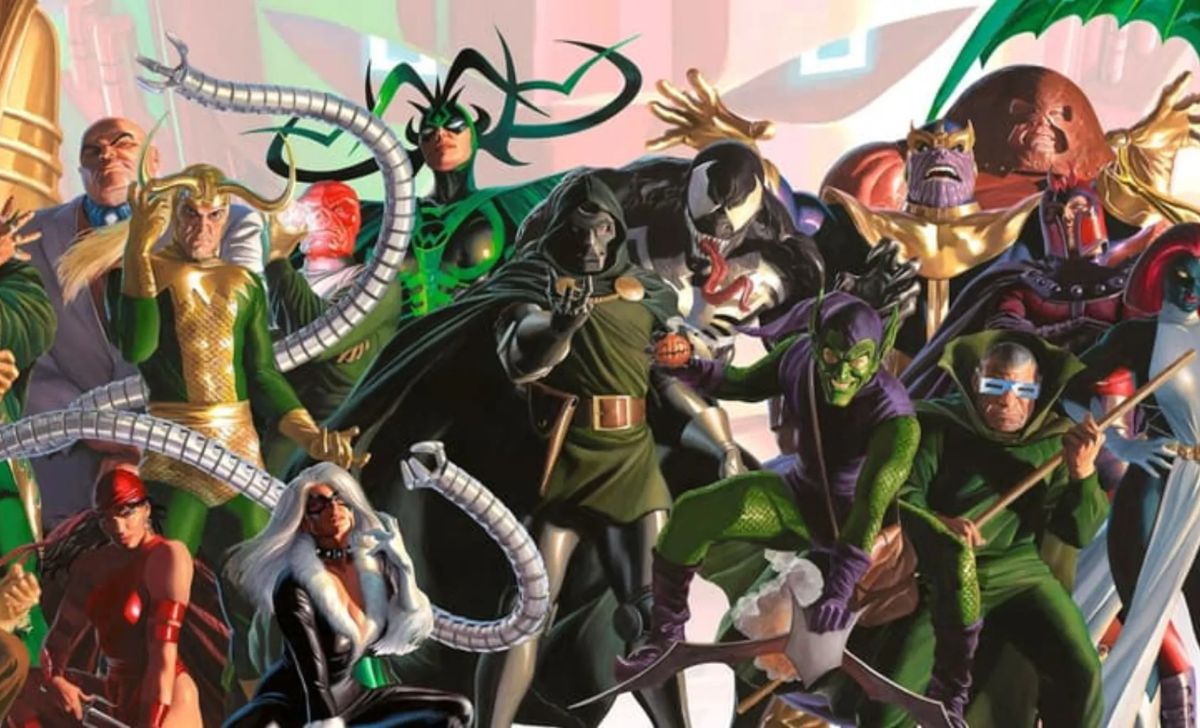
- Venom (Spider-Man): Eddie Brock’s life spirals because of Spider-Man. The symbiote, rejected by Peter Parker, finds a new host in Brock. Together they become Venom, existing almost entirely as Spider-Man’s dark mirror.
- Reverse-Flash (The Flash): Eobard Thawne from the future idolized the Flash, only to turn against him. His entire identity and villainy revolve around opposing Barry Allen.
- Green Goblin (Spider-Man): Norman Osborn’s obsession with power and control intensifies because of Spider-Man’s interference. His villainy becomes personal, almost symbiotic with Peter Parker’s journey.
- Killmonger (Black Panther): While not a “created” villain, his opposition to T’Challa defines his role. His tragic backstory gives him a valid cause, but it is T’Challa’s idealism that casts him as the antagonist.
Do Villains Exist Without Heroes?
So what if there were no heroes? Would villains still be villains, or would they just be powerful figures unchecked? The answer lies in perspective.
- Villains as independent forces: Some villains, like Thanos, Darth Vader, or Sauron, pursue goals regardless of a specific hero. They are villainous because of their ideology or ambition, not because of a single rival.
- Villains as dependent reflections: Others, like Joker, Reverse-Flash, or Venom, lose much of their meaning without the hero. They are built to oppose. Without their counterparts, they are incomplete.
In narrative terms, a hero and villain often form a “dyad”—two halves of a whole story. Remove one, and the other feels less significant.
Mythological Roots: Gods and Their Opposers
This dynamic is not new to modern comics. Mythology is filled with examples where antagonists exist only because of heroes or gods.
- Hades and Hercules: In Greek mythology, Hades’ role as the god of the underworld became more “villainous” when stories emphasized Hercules’ heroism.
- Ravana and Rama (Hindu mythology): Ravana is a great scholar and ruler, but in the Ramayana, his opposition to Rama defines him as the villain.
- Loki and Thor (Norse mythology): Loki’s mischief becomes villainy primarily in contrast to Thor’s heroism and order.
These stories show how the hero-villain relationship is deeply ingrained in human storytelling traditions.
Heroes Create Villains—But Villains Define Heroes
The relationship is circular. While villains often seem born out of heroes, heroes also depend on villains.
- Batman without Joker? He would still fight crime, but the depth of his moral struggles wouldn’t be the same. Joker pushes him to his limits.
- Superman without Lex Luthor? He would still save lives, but his philosophical challenges about human independence would fade.
- Spider-Man without Green Goblin or Venom? His struggles with responsibility and sacrifice would feel less personal.
In essence, heroes give villains a stage, and villains give heroes depth.

Real-Life Parallels: Do We Need Villains to Define Heroes?
Outside fiction, the idea still applies. Leaders often rise because of the opposition they face. Civil rights leaders, revolutionaries, and reformers became “heroes” because they opposed oppressive “villains.”
- Martin Luther King Jr. vs. Segregationists.
- Nelson Mandela vs. Apartheid.
- Mahatma Gandhi vs. Colonialism.
In each case, the existence of injustice (the “villain”) highlighted the heroism of those who opposed it. Without villains, heroes might not have the chance to prove their ideals.
Conclusion: Shadows Cannot Exist Without Light
So, are villains truly villains without heroes? The answer lies in balance. Some villains are independent forces of destruction, but many are defined by their heroes. They are born in response, fueled by obsession, and shaped by opposition.
In storytelling and psychology alike, heroes and villains need each other. Just as light defines shadow and shadow highlights light, one cannot fully exist without the other. A hero without a villain lacks conflict. A villain without a hero lacks purpose.
It is this eternal dance—Superman and Lex Luthor, Batman and Joker, Professor X and Magneto—that makes their stories timeless.