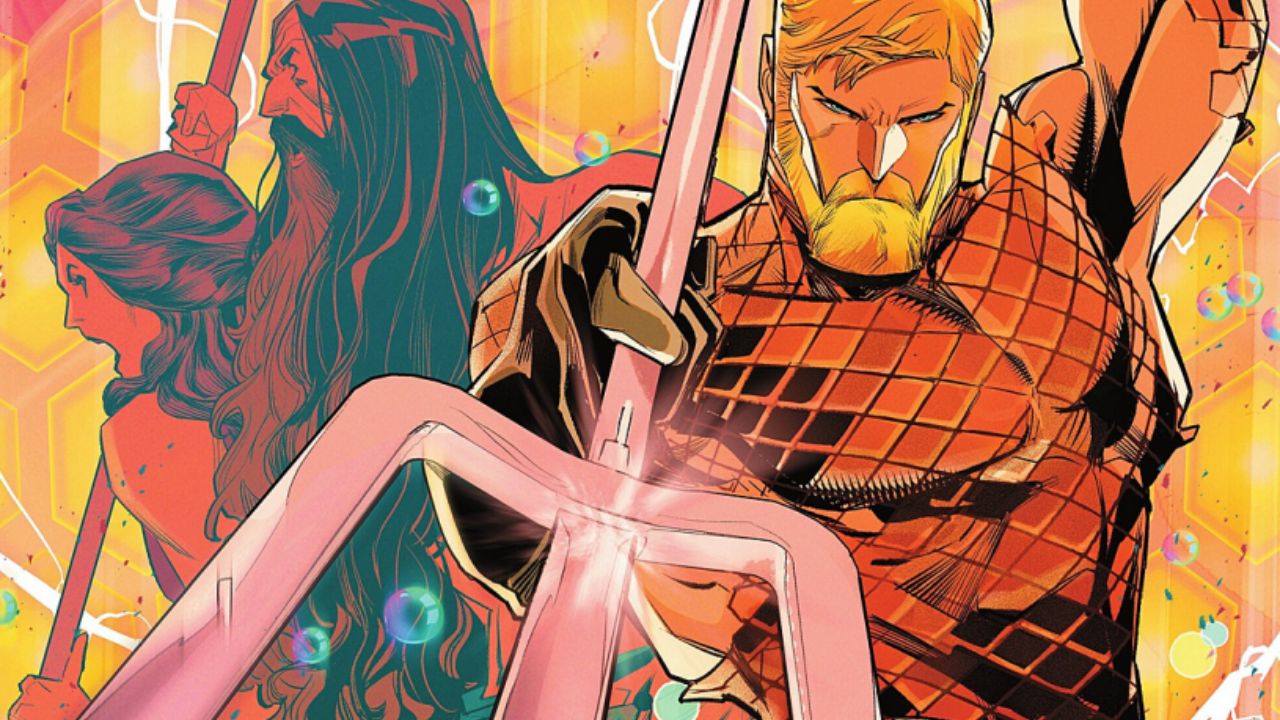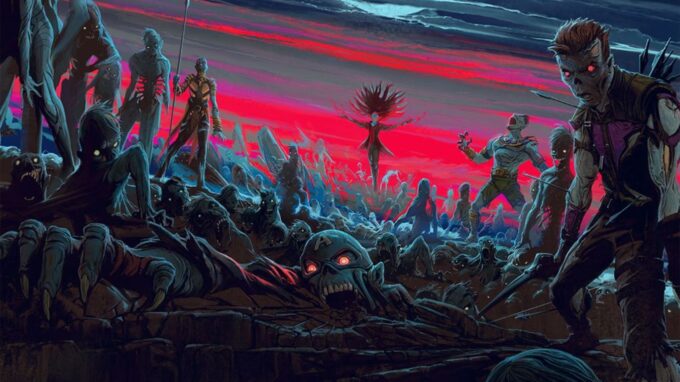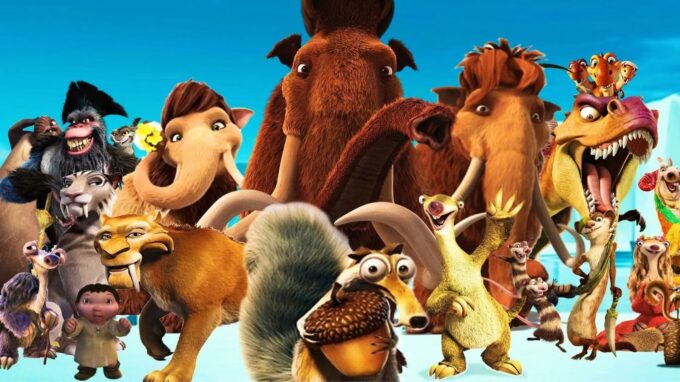
In the golden era of animation, cartoon characters graced our screens, making us laugh, cry, and root for them. But have you ever wondered about the journey of these characters from mere sketches to the lively personas that dance across our screens? In this article, we will explore the fascinating process of bringing an animated cartoon character to life.
Animated Cartoon Character: Journey From Sketch to Screen
Conceptualization and Sketching
Before an animated character can entertain us on the screen, it’s conceived in the minds of story creators, writers, and concept artists. The inception starts with brainstorming sessions where teams discuss the role, personality, and appearance of the character.

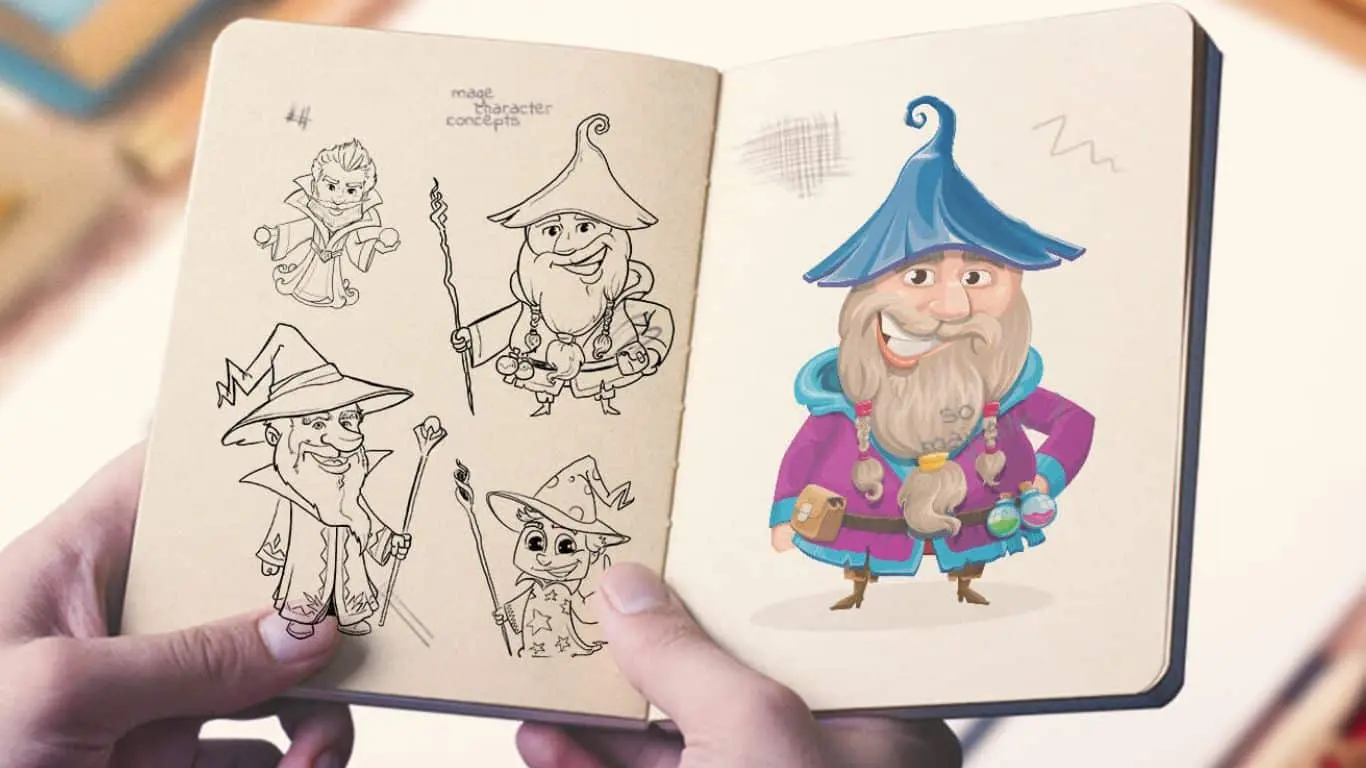
Sketch artists bring these ideas to life on paper. These initial sketches, often known as concept art or character designs, are the first visual representation of the character. Artists experiment with various poses, expressions, and costumes, tweaking until they strike a balance between originality and the intended message.
Model Sheets: Consistency is Key
Once the primary design is approved, artists develop ‘model sheets.’ These sheets are crucial guidelines for animators, ensuring the character’s consistency throughout the animation. They display the character from various angles, with a range of emotions and poses. This standardization guarantees that no matter who animates the scene, the character remains true to its original design.
Sculpting in 3D
For 3D animations, the next step involves sculpting the character in the digital space. Using software like Maya or Blender, 3D modelers transform 2D sketches into three-dimensional beings. This process demands meticulous detailing as modelers define every curve, edge, and texture, ensuring the character looks as envisioned by the concept artist.
Rigging: Building a Skeleton
Once sculpted, the character needs mobility. Enter rigging. Similar to how our skeleton supports and aids our movement, a digital skeleton is built for the 3D model. Riggers attach this framework to the character, defining the range and manner of its movement. This step ensures our cartoon character can run, jump, dance, or even just wave hello.
Animation: Breathing Life into Characters
With a skeleton in place, it’s time for the magic of animation. Animators pull, push, and tweak the rigged model, creating sequences of movements that will make up the scenes in the final production. This phase is where the character’s personality truly comes alive. Every gesture, every expression is meticulously crafted, syncing with the storyline and voiceovers.

Modern animations, especially those of larger studios, often employ motion capture technology. Actors wear suits dotted with sensors, and as they enact scenes, their movements are captured and imposed onto the 3D models. This technology lends a more realistic and fluid motion to characters.
Texturing and Lighting
Even the most expertly animated character can look bland without proper textures and lighting. Texturing artists paint the 3D models, adding details like fur, scales, or cloth patterns. They also consider how materials reflect or absorb light, making surfaces appear soft, shiny, or rugged.
Meanwhile, lighting artists play with shadows and light sources, setting the mood of the scene. Whether it’s a sunny, cheerful day or a gloomy, tense night, lighting drastically impacts the audience’s emotional response.
Rendering: The Final Touch
The animation process wraps up with rendering. In this phase, all elements—models, animations, textures, and lighting—are processed and combined to produce the final sequence. Rendering transforms the data-intensive files into smooth visuals that can be played on various devices. Depending on the complexity, a single frame can take hours to render, making this one of the most time-consuming stages.
Post-Production
Last but not least, post-production teams step in. They compile rendered sequences, add background scores, sound effects, and voiceovers, and make any necessary edits. Any visual effects, color corrections, or final touch-ups happen here, ensuring that the animated cartoon character seamlessly integrates with its environment and story.
An Art Form Like No Other
The journey of an animated cartoon character from sketch to screen is a blend of artistic prowess and technological wizardry. Every stage is a testament to the countless hours and dedication of artists, animators, riggers, and technicians. Next time you watch your favorite cartoon character, take a moment to appreciate the intricate dance of art and technology that brought it to life.
Also Read: The Impact of Disney’s Acquisition of Marvel and Star Wars