

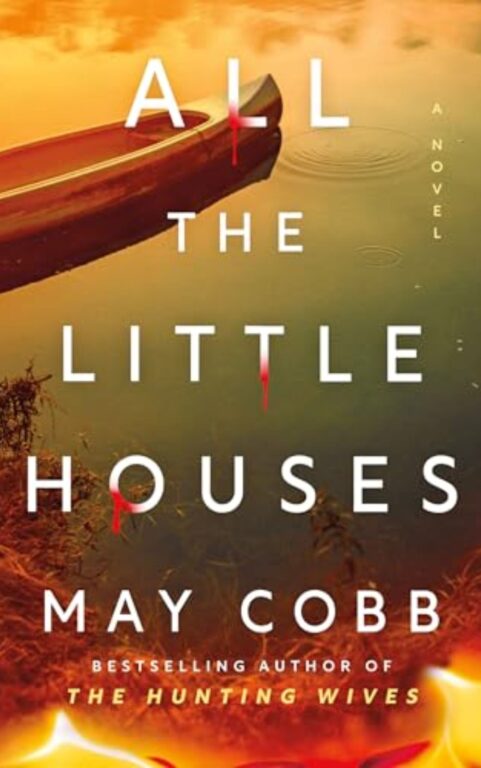
May Cobb’s latest, a soapy, small-town thriller “All the Little Houses” elbows its way into the “who’s hiding what” lane, reads like gossip you shouldn’t enjoy but absolutely do. It’s built on brittle relationships, secrets that escalate quickly, and a narrative that loops back to a grim image we first meet in the opening pages. The book was released in January 2026 from Sourcebooks Landmark.
What it’s about (spoiler-free)
At heart this is a collision story: a reigning mother-daughter duo who run the town’s social scene meets a wholesome, “prairie” family that moves into town — and nothing stays wholesome for long. Set in East Texas in the 1980s, the novel opens with a body in the water and then pulls you backward through choices, grudges, petty cruelties and loyalties to show how a tidy community unravels. The setup leans on class, image and the performative niceties that paper over rotten things.
Characters — the deliciously flawed cast
Cobb excels at drawing characters who are both recognizable and unforgiving: the social climber who engineers scenes, the kid trying to find an identity under parental pressure, and the outwardly wholesome newcomer whose calm contains fissures. Nobody here is purely virtuous; Cobb revels in moral gray. That means your sympathies will shuffle as the book progresses — sometimes you’ll pity someone, then find yourself resenting them a chapter later. The ensemble is deliciously nasty, and Cobb uses the social economy of a small town as a pressure cooker.
Voice, structure and pacing
Cobb opens at the end — the body in the water — then alternates perspectives to fill in how things got there. The technique is familiar in modern suspense, but she layers in domestic detail and simmering resentments that give the reveal heft. The pacing is deliberate in the first half (building daily life and micro-aggressions), then accelerates into a tighter, more urgent second half where consequences land hard. The structure allows the moral ambiguity to deepen rather than resolve too quickly.
What works (and for whom)
If you like your thrillers with soap-opera energy — jealousies, secret histories, catty one-upmanship and a slow-burn menace — this is made for you. Cobb’s strengths here are scene work (those small, precise moments of cruelty or affection), tonal control (it’s both breezy and unsettling), and characters who stay with you past the last page. Fans of her earlier novels, especially readers who liked the blend of domestic rot and high drama in The Hunting Wives, will find familiar pleasures.
What doesn’t always land
There’s a lot packed into the book — side plots that glitter but don’t all tie up, and an almost operatic level of meanness that can become numbing rather than edge-of-seat. If you prefer lean, purely plot-driven mysteries with surgical resolution, the breadth here might feel cluttered. Still, for others that abundance is part of the fun: every petty exchange is fuel.
The audiobook and extras
The audiobook, narrated by a full cast including Malin Akerman, adds an extra layer of texture; the performances heighten both the venom and the quieter, more tender moments. If you listen as much as you read, this version is worth considering.
Final verdict — read it if you want…
A juicy, morally messy page-turner that pairs suburban spite with genuine suspense. It’s not a textbook mystery (don’t pick it if you need every loose end tied in a neat bow), but it’s deeply readable, frequently sharp, and emotionally combustible. Think late-night book club fodder: delicious to gossip about and a little dangerous to recommend to your nicer friends.
Rating: 3.5 / 5 — a flavorful read with enough bite to keep you flipping, even when the social cruelty grows uncomfortable.