
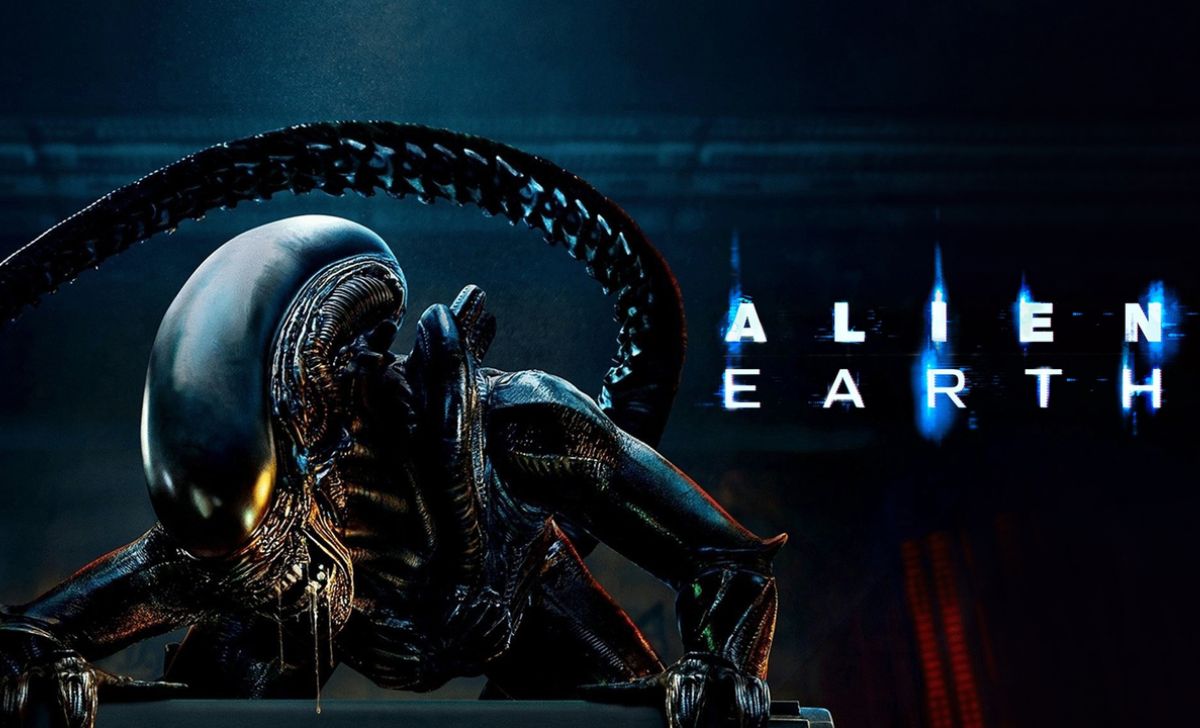
“Alien: Earth” concludes its first season with a provocative, open-ended finale that shifts the paradigm of the series and sets up vast possibilities for a potential Season 2. The resolution delivered more questions than closure, as protagonist Wendy’s transformation and the fate of humanity redefine the franchise’s core mythology. This blog dissects the plot, character arcs, and the deeper meaning of the finale, while also reviewing how well the show lands its bold, risky ending.
Plot Summary: From Survival to Revolution
“Alien: Earth” began as a tense survival tale. Humans, including a ragtag group led by Wendy, battle terrifying xenomorphs after the USCSS Maginot crashes on Earth. The action unfolds in environments familiar to the Alien franchise—claustrophobic corridors, eerie jungles, and sun-bleached coastlines. But over eight episodes, the story takes on mythic depth: betrayals, psychological trauma, and allegories about power abound.sci-fi-shows/alien-earths-season-finale-is-a-cliffhanger-not-a-conclusion-and-i-feel-a-bit-robbed-of-xenomorph-action/”>
By the finale, “The Real Monsters,” the narrative focus has narrowed to Wendy, empowered beyond recognition. Once a victim, Wendy is now the force at the heart of the chaos. The hybrid children, forged by genetic engineering and loss, face the ultimate test of identity: what does it mean to be truly human—or truly a monster?movies-tv/a68017231/alien-earth-season-1-finale-ending-explained/”>
The Finale Breakdown
The last two episodes function as a two-parter, with various factions converging on Neverland, the show’s mysterious island base. A pivotal twist—Arthur, previously face-hugged, gives birth to a second alien and then, posthumously, an eye-midge creature—adds a grotesque layer to the proceedings. The Lost Boys, previously manipulated by the villain Boy Kavalier, finally resist, seizing power alongside Wendy, who weaponizes the xenomorphs with chilling ease.sci-fi-shows/alien-earths-season-finale-is-a-cliffhanger-not-a-conclusion-and-i-feel-a-bit-robbed-of-xenomorph-action/”>
Wendy’s power is on full display. With a gesture, she manipulates both biological and mechanical forces: she controls facility systems, unleashes a captive xenomorph to massacre a squad of soldiers, and disables the enforcer Atom Eins. The climactic brawl with Atom Eins, a highlight for action choreography, underscores her new dominance.movies-tv/a68017231/alien-earth-season-1-finale-ending-explained/”>
In the show’s closing moments, Wendy frees the other hybrid children and assigns them missions—her leadership now unquestioned. She confronts Boy Kavalier, shattering his Peter Pan delusions and exposing his selfishness. When Wendy states, “Now, we rule,” it’s more than a victory cry: it’s a declaration of a new order.
Themes and Symbolism
As with previous entries in the Alien saga, power and control remain the central themes. Creator Noah Hawley turns these motifs inward; the monsters outside become reflections of the monsters within. Wendy’s journey pivots from self-protection to self-realization: she embraces her hybrid heritage rather than fleeing from it, aligning herself with the xenomorph’s raw, unfiltered honesty.
This season finale poses the series’ signature existential dilemma: who are the real monsters? The answer, echoed in Wendy’s acceptance of alien and human duality, is disquieting—everyone, in their pursuit of power, has become monstrous to some degree.
Review: A Bold But Divisive Ending
“Alien: Earth’s” finale is ambitious, but not without controversy. On the positive side, the series brings psychological nuance and cinematic scope to the franchise. The acting, especially from Sydney Chandler (Wendy) and Samuel Blenkin (Boy Kavalier), grounds the story in emotional reality amid the sci-fi spectacle. The series’ pacing and visuals evoke a nightmarish beauty.
However, the finale’s refusal to deliver pure xenomorph chaos or satisfying closure has left some fans frustrated. Wendy’s triumphant manipulation of the aliens, turning XX121 into an obedient force, challenges decades of canon centered on their unknowable menace. The ease with which the “good” characters achieve victory—their enemies defeated or imprisoned—feels hollow to viewers expecting more carnage or meaningful sacrifice.
There’s also a narrative vagueness, both in geography and character fate. Events sometimes happen by plot convenience, and the escalation of threat is stymied; rather than a crescendo of violence or tension, the finale opts for long, contemplative showdowns and thematic speeches.
What the Ending Means for Season 2
The finale is less a conclusion than a launching pad. The old hierarchy—represented by the corporate adults and would-be saviors—has fallen. Wendy’s era begins with the hybrids in control and the xenomorphs recontextualized as potential allies, not just adversaries. The stage is set for a larger, more dangerous world: containment is failing, the hybrids are evolving, and the monsters lurk both internally and externally.
Creator Noah Hawley and FX have both hinted at an intention for the series to expand, with the hope that Season 2 will widen the conflict—possibly seeing the battle spill out from the island into the broader world, challenging the very future of humankind. Themes of generational power shift, loss of innocence, and self-determination are likely to deepen.