

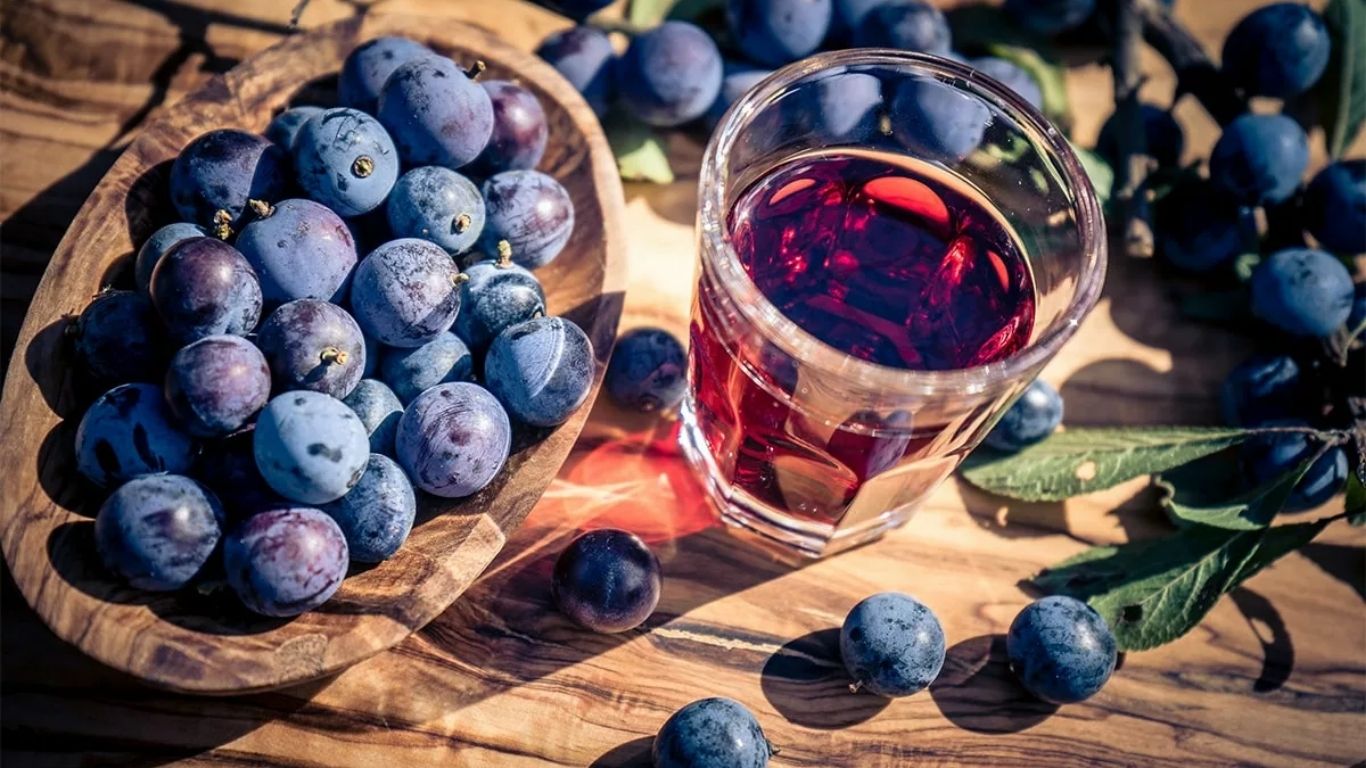
Alcohol has been part of human life for thousands of years, shaping diets, rituals, medicine, trade, and even empires. What began as accidental fermentation in overripe fruits evolved into a deliberate craft that helped build cities, fuel exploration, and spark moral debates that continue today.
What Fermentation Actually Is
Fermentation is a natural biochemical process where yeasts consume plant sugars and convert them into ethanol (drinking alcohol) and carbon dioxide. These yeasts are microscopic fungi that live on fruit skins, grains, and in the environment, and they start working whenever conditions are moist, sugary, and warm enough.
- When fruit overripens or cracks open, wild yeasts feast on the sugars and begin producing alcohol without any human intervention.
- Humans eventually learned to harness this invisible process intentionally, turning random natural fermentations into repeatable recipes for beer, wine, and other drinks.
At low levels, alcohol in a liquid can help suppress harmful microbes, which is one reason fermented drinks often became safer than untreated water in many ancient communities.
The Earliest Evidence: Neolithic Experiments
Nobody can pinpoint the exact moment humans first made alcohol on purpose, but the earliest hard evidence takes us back roughly 9,000 years. Archaeological chemistry has turned old pottery into a kind of time capsule, revealing traces of ancient brews.
- In the Neolithic village of Jiahu in northern China, residue in clay jars shows that people were making a mixed fermented beverage from rice, honey, grapes, and other fruits around 7000–6650 BCE.
- These early drinks were not modern-style “pure” beer or wine but complex mixtures, probably used for both everyday consumption and ritual occasions.
Similar timelines appear in other regions: by the time China was fermenting mixed beverages, early forms of barley beer and grape wine were emerging in the Middle East. As people settled, farmed, and stored grain, alcohol moved from accidental discovery to a familiar part of daily life.
Beer and Wine in Ancient Civilizations
Once agriculture took off, fermentation stepped into the center of many ancient societies. Beer and wine were not only intoxicants; they were food, wages, and sacred offerings.
- In Mesopotamia and ancient Egypt, beer made from cereal grains became a staple drink, produced on a large scale and consumed by nearly every social class.
- Workers on large state projects in Egypt, such as those involved in monumental construction, often received beer as part of their daily rations, making it both nourishment and currency.
Wine emerged as a more prestigious drink in regions where grapes grew well, and its role varied with climate and culture.
- In Egypt and Mesopotamia, where grape cultivation was more difficult, wine was relatively rare and expensive, reserved for elites and special occasions.
- Around the Mediterranean—particularly in Greece and later Rome—grapes thrived, and wine became as common as beer was farther east.
These differences meant that what counted as the “everyday drink” depended heavily on geography and local crops.
Local Crops, Local Drinks
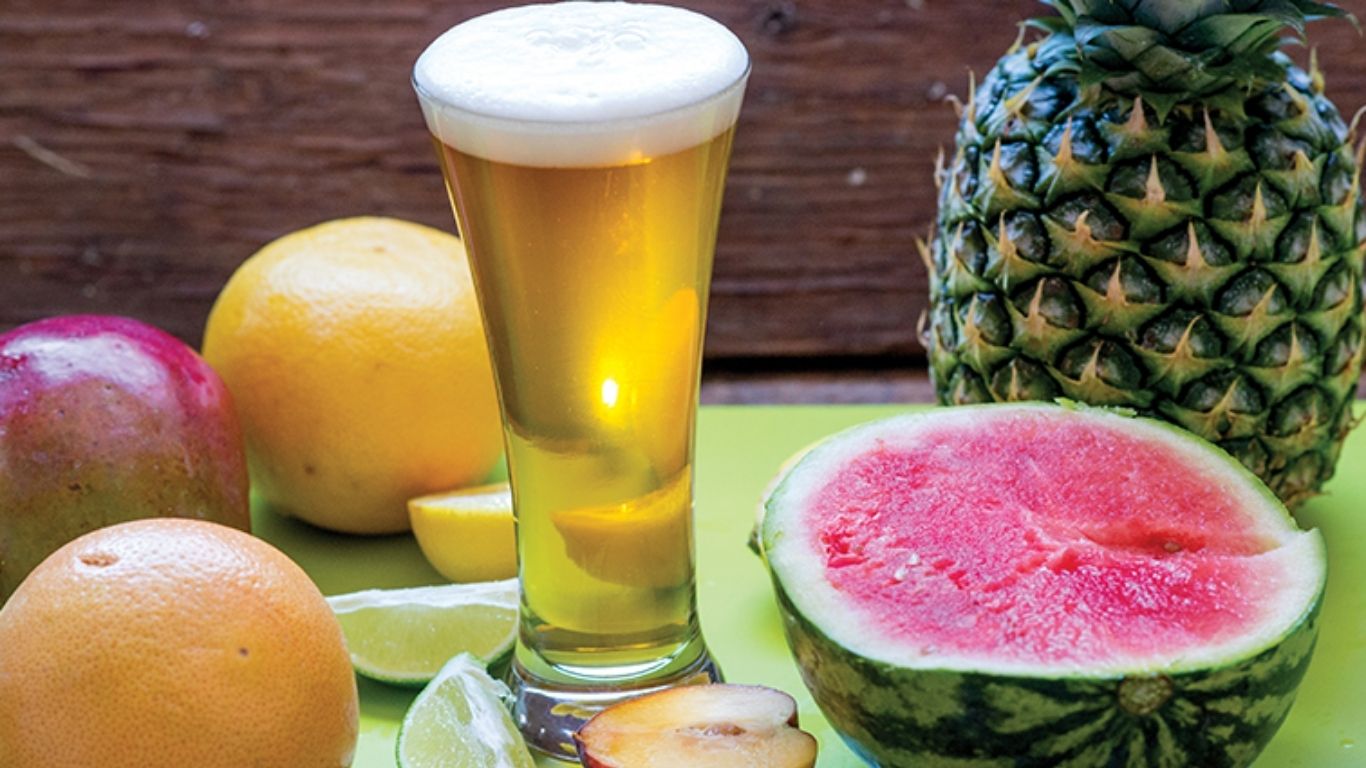
Because yeasts can ferment almost any plant-based sugar, each region developed its own signature alcohol based on whatever grew best nearby. As a result, the world’s map of ancient drinks is incredibly diverse.
- In South America, people made chicha from maize and other grains, sometimes adding herbs that had psychoactive or medicinal effects.
- In what is now Mexico, pulque—made from the sap of the maguey (agave) plant—became a central traditional beverage.
- East African communities developed banana beer and palm-based drinks, turning local fruits and tree sap into everyday alcohol.
- In Japan, brewers refined the art of making sake from rice, a technique that eventually evolved into an intricate brewing culture.
The pattern is straightforward: wherever humans learned to farm or gather sugary plants, they eventually found a way to ferment them. Over time, these drinks became woven into identity, social status, hospitality, and religious tradition.
Alcohol as Medicine, Food, and Inspiration
Ancient societies rarely treated alcohol as “just a drink.” It carried symbolic, medical, and even philosophical weight long before modern science tried to explain its effects.
- Greek physicians considered wine beneficial in moderation, prescribing it for digestion, circulation, and general health.
- Poets praised wine for its ability to loosen the tongue and spark creativity, suggesting that inspiration and intoxication had a mysterious connection.
In many places, fermented beverages were also seen as more reliable than raw water, which could harbor dangerous pathogens. The mild alcohol content, along with boiling or heating steps in brewing, helped reduce bacterial survival, making these drinks a safer daily choice in crowded, pre-modern settlements.
Morality, Religion, and Restraint
As alcohol became more common, people across cultures noticed both its pleasures and its dangers. This tension between enjoyment and excess shaped religious rules and moral codes that still echo today.
- Greek philosophers, though surrounded by a wine-loving culture, often promoted temperance and self-control, warning against drunkenness as a threat to reason and civic virtue.
- Early Jewish and Christian writings in Europe integrated wine into rituals—think of blessings, feasts, and shared cups—while also condemning heavy intoxication as sinful behavior.
In regions shaped by Islam, the relationship took a different path.
- An early rule against praying while intoxicated gradually developed into a broader religious prohibition on alcohol for many Muslim communities.
- At the same time, Arabic scholars and alchemists were deeply involved in studying liquids, distillation, and chemical processes, even as religious norms restricted everyday drinking.
This mix of spiritual symbolism, moral suspicion, and practical use ensured that alcohol was never a simple topic; it was always a cultural mirror.
The Limits of Simple Fermentation
For most of human history, fermented drinks had a built-in ceiling on their strength. Wild yeasts can only tolerate so much of their own waste product before they die.
- At roughly 13–15% alcohol by volume, ethanol becomes toxic to typical brewing yeasts, halting fermentation and capping the maximum alcohol content of naturally fermented beverages like wine and strong beer.
- This meant that for thousands of years, humanity’s alcohol was limited to “low” and “medium” strengths by modern standards, with no straightforward way to go beyond that.
To break through that barrier, people needed a different kind of technology—one that would separate and concentrate alcohol itself.
Distillation: Concentrating the Spirit
Distillation changed everything. Instead of accepting the natural limit of fermentation, people learned to use heat and condensation to isolate alcohol from a fermented liquid.
- Alcohol boils at a lower temperature than water, so when a fermented mixture is gently heated, alcohol vaporizes first.
- If that vapor is captured and cooled, it condenses back into liquid, now much more concentrated than the original beer or wine.
Ancient experiments with distillation likely began with perfumes and essential oils, but over time, people applied the same principles to alcoholic liquids. While some traditions credit early Greek practitioners with foundational distillation concepts, more complete and systematic descriptions of distilling wine into strong spirits appear in medieval Arabic writings.
At first, these strong spirits were framed as medicinal—used in tinctures, tonics, and treatments. However, once people recognized their potency and durability, distilled alcohol quickly took on a much larger role.

From Medicine to Commodity
Stronger distilled drinks—brandy, rum, later gin and others—opened a new chapter in the history of alcohol. Unlike beer or wine, these spirits traveled well and did not spoil easily, making them ideal for long-distance trade.
- Distilled spirits could be carried across oceans and hot climates without turning sour, which made them incredibly valuable in early modern commerce.
- Rum, produced from sugarcane in Caribbean colonies, turned into a staple for sailors and became deeply entangled with Atlantic trade networks.
In parts of Africa, European traders brought brandy and gin, which often became both a sought-after drink and a form of currency. Spirits were sometimes exchanged for land, goods, and even enslaved people, binding alcohol to some of the darkest chapters of global history.
Alcohol at Sea: Keeping Crews Alive
Long-distance sea voyages during the Age of Exploration posed a basic survival problem: how to keep water drinkable for months. Without refrigeration or modern sanitation, stored water quickly turned foul.
- Ships usually carried barrels of beer, wine, and later brandy, alongside limited supplies of fresh water.
- On many voyages, a small amount of brandy or other strong spirit was added to water barrels, with the alcohol acting as a preservative that killed or inhibited harmful microbes.
Alcohol also played a psychological and cultural role aboard ship. Regular rations of beer or wine were part of a sailor’s expected diet, easing fears and monotony during long stretches at sea, even as overconsumption could threaten discipline and safety.
In this way, alcohol helped make months-long journeys from Europe to Asia and the Americas more survivable, indirectly supporting exploration, colonization, and global exchange.
Fueling Empires and Economies
By the 1600s and beyond, alcohol was no longer just a local household product; it had become a pillar of international trade. Powerful states and merchant companies integrated spirits into complex economic systems.
- Rum connected Caribbean sugar plantations, European markets, and North American ports, feeding into far-reaching trade networks across the Atlantic.
- Wine production expanded in both Europe and its colonies, turning vineyards and distilleries into essential economic engines.
Distilled and fermented drinks also served as ballast, rations, and export goods all at once, turning alcohol into a multi-purpose asset for expanding empires. The same liquid that once flowed quietly in village rituals now moved with fleets, armies, and merchants, leaving economic and human consequences in its wake.
A Substance That Refuses to Stay Simple
Across thousands of years, alcohol has been a source of comfort, creativity, revenue, and ruin. It has been praised as medicine and condemned as a moral threat, taxed as a luxury and relied upon as everyday sustenance.
- Ancient villagers drank lightly fermented brews for calories and safety, long before they had words for microbes or ethanol.
- Philosophers, clerics, traders, and sailors each found their own reasons to embrace or fear alcohol, turning it into a symbol of both civilization and excess.
From clay pots in Neolithic China to barrels on 17th‑century ships and bottles lining modern shelves, the human story of alcohol reflects the broader story of human ingenuity and contradiction. It is a reminder that a simple natural process—yeast feeding on sugar—can, over time, reshape cultures, economies, and the course of global history.