
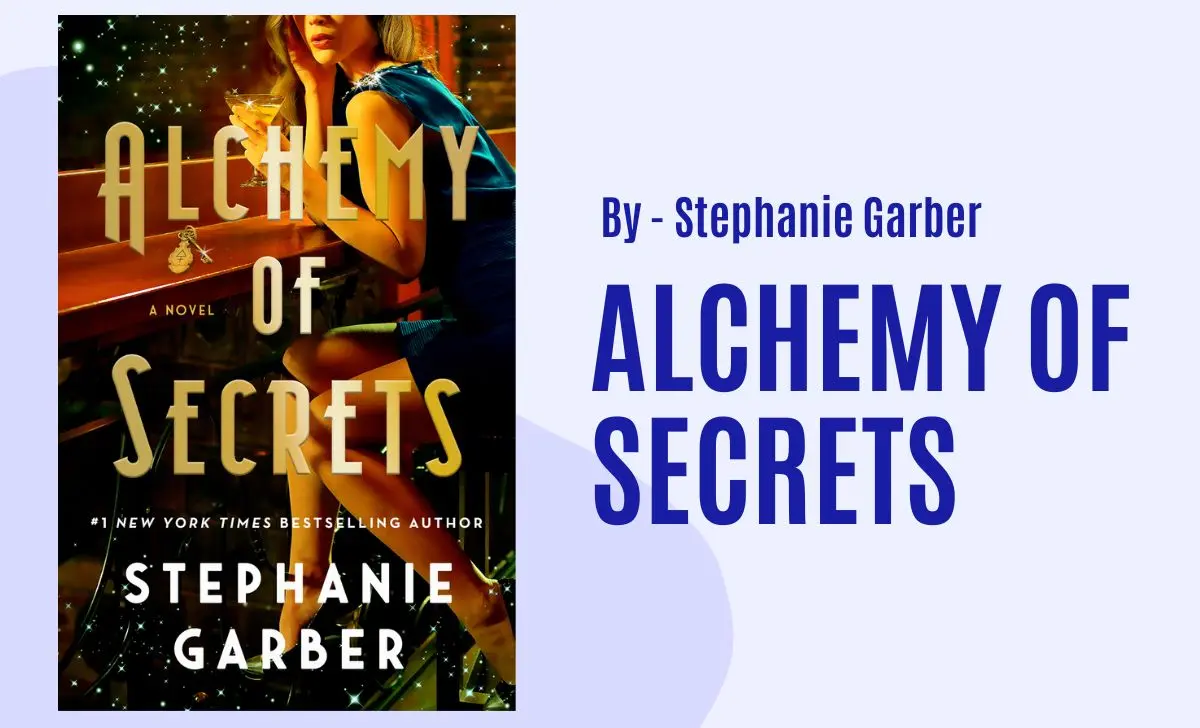
Stephanie Garber’s Alchemy of Secrets is a glittering, sometimes maddening blend of old-Hollywood glamour, folklore-class chills, and puzzle-box plotting. Marketed as her adult debut, the novel follows Holland St. James — a folklore-obsessed college student — as she’s thrust into a life-or-death hunt for a mysterious artifact called the Alchemical Heart. Fans of Garber’s lush YA work will recognize her appetite for high stakes, theatrical settings, and romance-tinged suspense; new readers will find a story that borrows from dark academia, treasure-hunt thrillers, and supernatural mystery. The result is a book that sparkles in places and stumbles in others — but either way, it’s rarely dull.
What the book is about (plot overview)
The story opens in a haunted-seeming movie theatre during a university course called Folklore 517: Local Legends and Urban Myths. Holland is drawn to these stories for personal reasons: they connect to a family trauma and to the strange, foreboding figure known as the Watch Man, who can predict people’s deaths. When the Watch Man tells Holland she’s scheduled to die at midnight, she is forced to act. To save herself she must track down the Alchemical Heart, a long-lost object with powerful protective properties.
Her search takes her through Los Angeles’s offbeat corners — secret societies, vintage film haunts, and old-money estates — and pairs her with a shadowy stranger whose motives are as cryptic as the riddles they’re following. As the clues pile up, loyalties shift and the reader is left to decide who’s protecting Holland and who’s manipulating her.
Atmosphere and setting: old Hollywood with a modern ache
One of Garber’s most persuasive achievements here is the book’s setting. She uses the mythic pull of Hollywood — its glamour, lost studios, and behind-the-scenes lore — as more than wallpaper. The city becomes a character: neon-lit marquees and dusty prop rooms hum with stories that might be true, might be contrived, and might be dangerous. Interwoven chapters from Folklore 517 bolster the sense that this is a world where myth blurs with lived reality; classroom digressions and urban legends add texture and a deliciously eerie tone. If you love novels that feel like a midnight movie come to life, parts of Alchemy of Secrets deliver that sensation very well.
Characters and relationships: compelling sparks, mixed follow-through
Holland is written as bright and dogged, the kind of protagonist who loves puzzles and refuses to sit still — which makes her a natural avatar for a mystery-driven plot. The book leans on a romance-tinged partnership with a mysterious helper, and Garber plays the slow-burn chemistry with theatrical flair.
Secondary characters (a professor with uncanny knowledge, rivals and potential allies in secret societies) are vividly sketched, but some readers will find that a few motivations are under-explored or behave oddly just to keep the plot moving. In short: the characters create plenty of intrigue, and the moments of honest emotional stake land — but occasionally the book asks you to accept leaps in logic or repeated poor choices without always earning them.
Pace, plotting and the art of the twist
If you like to be kept guessing, this book will satisfy you. Garber peppers the narrative with clues, red herrings, and late-page reversals; the momentum during the treasure-hunt stretches toward a cinematic, puzzle-driven climax. That said, several reviewers and readers noted uneven pacing: the hunt accelerates and then drifts at times, and some plot revelations feel hurried when they arrive. The novel is built for suspense, and it often delivers — but there are places where the narrative’s push toward a dramatic twist sacrifices tighter logic or character payoff. Enthusiasts of Dan Brown-style clue-chasing or Deborah Harkness-esque mythologies will find plenty to enjoy; readers who prefer all the “how” moments spelled out may come away wanting more closure.
Writing style: lyrical, cinematic, sometimes indulgent
Garber’s prose leans into atmosphere and theatricality. Sentences often shimmer with sensory detail: the smell of celluloid, the creak of stage curtains, the metallic tang of panic. That cinematic quality makes the book easy to picture — it reads like a classic mystery reimagined on a studio backlot. Some critiques center on whether Garber’s YA signature voice has morphed enough for adult fiction; a few reviewers thought the tone remained familiar to her YA readers, which is both comforting and occasionally limiting. For many, the voice is the book’s main charm; if it doesn’t hook you immediately, the rest of the book’s pleasures may not be enough to compensate.
Themes and emotional core
Beyond the treasure hunt, the novel contemplates how stories shape our lives: how family myths, cinematic fantasies, and urban legends can both heal and deceive. Holland’s personal grief and the way folklore intersects with memory give the book genuine emotional ballast. There’s also a recurring question about trust — who gets to tell the truth about the past, and who gets to rewrite it for their own ends? These thematic threads are woven through the puzzles and romance and keep the novel from being purely a plot exercise.
What works best — and what might bother some readers
What works: the atmosphere (it’s gloriously filmic), the twists (Garber keeps you on your toes), and the basic conceit (a folklore class that turns out to be gateway to real magic). Fans of Garber’s previous work who were hoping for her trademark blend of whimsy and menace will likely revel in many of the book’s moments.
What might bother you: uneven pacing, a handful of decisions by characters that strain credibility, and an ending that leaves some threads open — which will thrill readers wanting a series and frustrate those wanting a neat, standalone conclusion. Several reviewers praised the ride but noted these exact caveats: great atmosphere and readable prose, but occasional logic gaps and an impulse toward cliffing rather than full resolution. If you prefer mysteries where every clue is exhaustively accounted for, this one may feel loose.
Final verdict
Alchemy of Secrets is a propulsive, stylish mystery with a strong sense of place and the hallmarks of Garber’s narrative strengths: romance, theatrical detail, and a taste for the uncanny. It’s not perfect — pacing and character choices will be sticking points for some — but it offers a satisfying, often thrilling reading experience for those who cherish lore-driven puzzles and cinematic prose. Read it for the atmosphere and the hunt; expect to be delighted, sometimes exasperated, and likely eager to see where Garber goes next.