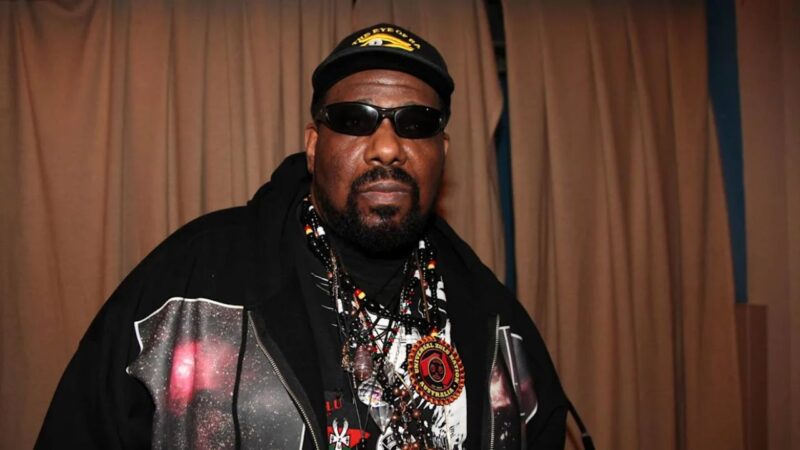

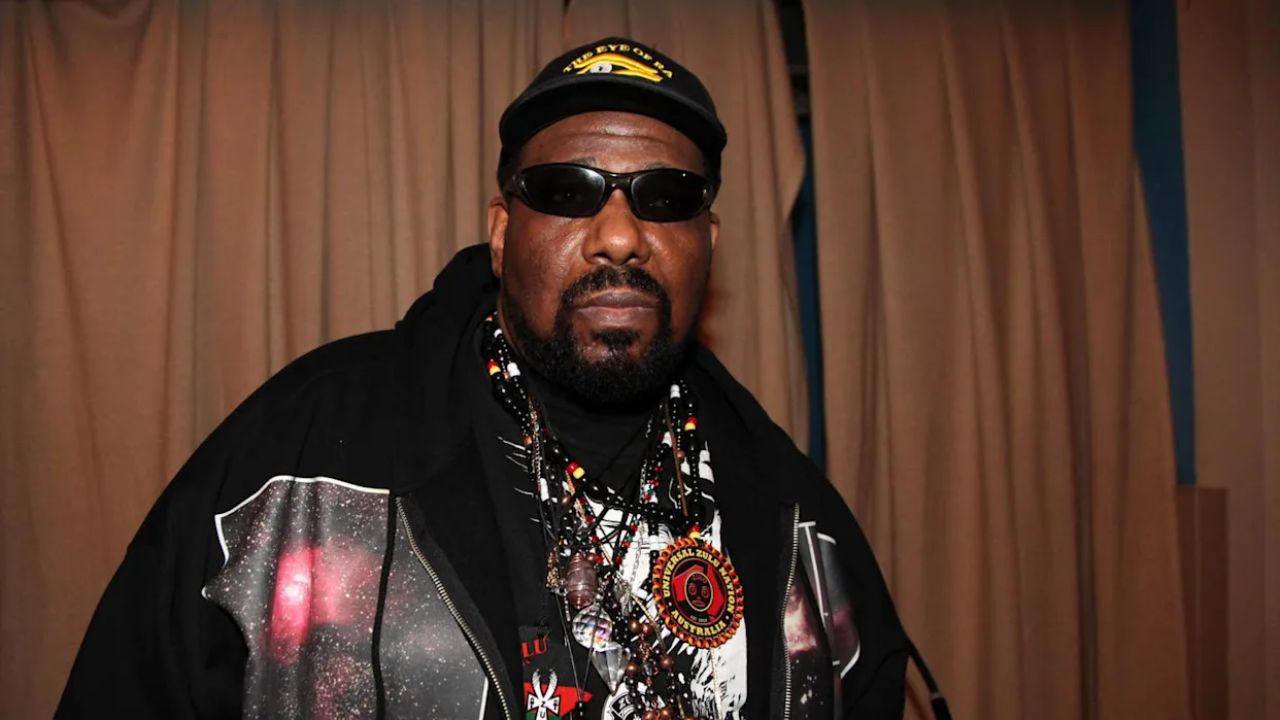
He wasn’t just a DJ. He was, by most accounts, the architect of a culture that would eventually take over the world. Afrika Bambaataa — born Lance Taylor on April 17, 1957, in New York City — died last Thursday in Pennsylvania, where complications from cancer claimed him at the age of 67. The Hip Hop Alliance confirmed the news, and the grief that rippled through the music community was immediate and palpable. A representative for Naf Management captured it simply: “We did not just lose a legend. We lost our foundation.”
It’s hard to overstate what that foundation actually looked like in the early 1970s. The Bronx was a different world then — economically gutted, rife with gang violence, a borough that the rest of America had largely written off. Young Lance Taylor was right in the middle of it, running with the Black Spades street gang. But something in him was pulling toward a different kind of power. He had an ear for music, a hunger for it, and he started spinning records at house parties, absorbing everything he could from pioneering DJs like Kool DJ Herc and Kool DJ Dee.
As the Black Spades began to fall apart, Taylor didn’t go down with them. Instead, he built something new. At Stevenson High School, he organized a performing group that would eventually evolve — inspired by his deep study of African history and culture — into the Universal Zulu Nation. What began as a local collective became something remarkable: a unified gathering of DJs, MCs, breakdancers, graffiti artists, and creatives of every kind, all pointed toward one idea. That the energy driving young people toward destruction could be redirected toward art.
He took a new name to match the new mission: Afrika Bambaataa.
In 1982, he gave the world Planet Rock — recorded with his group Soulsonic Force — and the landscape of popular music shifted almost overnight. The track went Gold and became a cornerstone not just of hip-hop, but of electro-funk, Miami bass, house, early techno, and electronica. His follow-ups, including Looking for the Perfect Beat and Renegades of Funk, cemented his reputation as what many would come to call the “Master of Records.” His DJ sets were unlike anything else happening at the time — blending go-go, soca, salsa, reggae, rock, jazz, funk, and African music into something that felt both chaotic and completely intentional.
Beyond the music, Bambaataa threw himself into causes that mattered to him. He joined the anti-apartheid movement in the 1980s, contributing to the 1985 recording Sun City alongside other artists, and later participating in Hip Hop Artists Against Apartheid for Warlock Records in 1990. He helped organize a concert at Wembley Stadium honoring Nelson Mandela’s release from prison and raised funds for the African National Congress in Italy. He worked as a radio host on Hot 97 FM, served as a visiting scholar at Cornell University, contributed to the early development of the Hip Hop Museum, and even voiced a role on the television series Kung Faux.
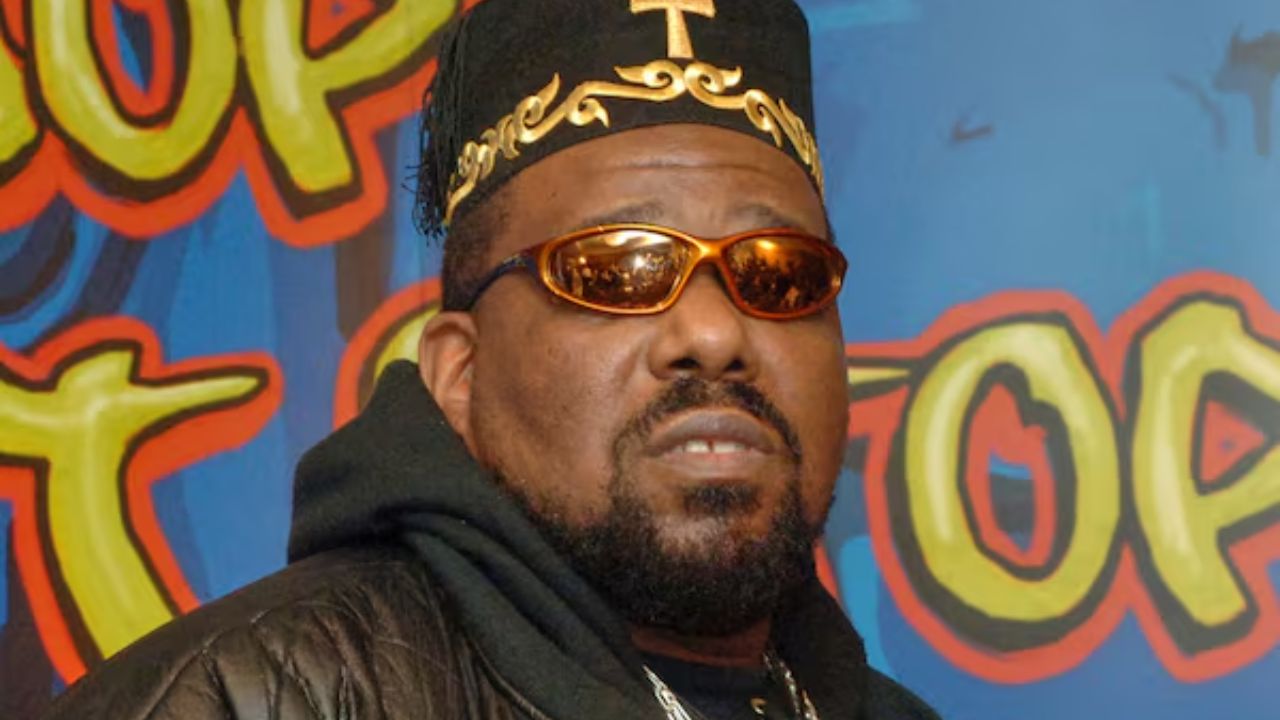
He also helped launch careers — New Edition, Maurice Starr, and the Jonzun Crew all benefited from his guidance and connections early on.
The Reverend Dr. Kurtis Blow Walker, executive director of the Hip Hop Alliance, said Bambaataa’s vision transformed the Bronx into “the birthplace of a culture that now reaches every corner of the world.” That’s not hyperbole. From the block parties in the South Bronx to stadiums on every continent, hip-hop’s reach is now total — and it traces a direct line back to what Bambaataa built.
But his story cannot be told fully without acknowledging the shadow that fell over his later years.
In 2016, multiple sexual abuse allegations dating back to the 1970s and ’80s surfaced publicly. Bambaataa denied all of them, calling them “baseless” and “a cowardly attempt to tarnish my reputation and legacy.” He stepped down from his leadership role within the Universal Zulu Nation that same year. Then, in May 2025, he lost a civil case involving child sexual abuse and trafficking after failing to appear in court. The Hip Hop Alliance acknowledged in its statement that these allegations have complicated conversations about his legacy within the community — a reckoning that isn’t easy, and that no tribute can sidestep.
Those who loved what he built are left holding something complicated: grief for the man who gave hip-hop its moral compass, and the weight of knowing that compass was not always his own guide.
What remains, undeniably, is the culture itself. Every beat, every cipher, every young person who ever found in hip-hop a way out of something darker — that’s the world Afrika Bambaataa helped make possible. Whether history judges him kindly is a question still being worked out. But that he changed history is beyond dispute.