
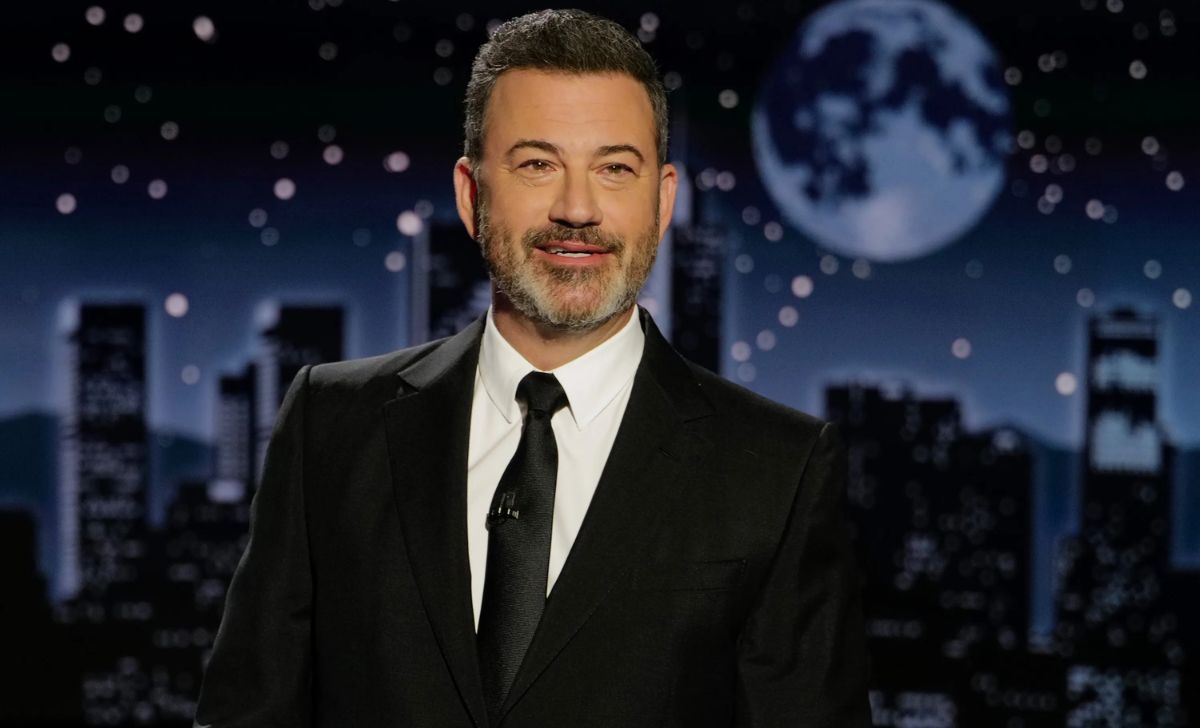
ABC unexpectedly suspended Jimmy Kimmel Live! this week after host Jimmy Kimmel suggested in a monologue that the alleged shooter in conservative activist Charlie Kirk’s death — identified in reports as 22-year-old Tyler Robinson — might be connected to “the MAGA gang” or “one of them.” The comments drew immediate backlash from conservative media, the Federal Communications Commission and at least one major station group, prompting a rapid chain of actions that left staff, guests and audiences stunned.
Sinclair demands a direct apology — and a payout
Sinclair Broadcast Group, which owns many local ABC affiliates, publicly pressed Kimmel to apologize directly to Kirk’s family and to make “a meaningful personal donation” to them and to Turning Point USA. Sinclair’s leadership told ABC it would indefinitely preempt Jimmy Kimmel Live! on its ABC stations — a move the company announced before ABC’s own suspension of the show. Sinclair’s vice chairman framed the controversy as an example of why broadcasters must foster “respectful, constructive dialogue” and urged the FCC to step in and address perceived concentration of control by national networks over local stations.
Sinclair declined to say what it will run in Kimmel’s usual 11:35 p.m. slot beyond a one-hour tribute to Charlie Kirk that it scheduled for Friday. The company also said it will keep Kimmel off its air until formal discussions with ABC convince Sinclair that the network is committed to professionalism and accountability.
Political and regulatory pressure escalates the situation
Pressure mounted from Washington as well. FCC Chair Brendan Carr publicly criticized Kimmel’s remarks and — on a podcast — floated the possibility of using the commission’s license authority to push ABC’s parent company, Disney, to take action. That statement injected a new level of regulatory and political leverage into what had begun as an entertainment-industry controversy.
The episode also attracted partisan attention online. Former President Donald Trump celebrated the suspension on his social platform, attacking Kimmel’s talent and ratings while urging networks to take further action against late-night hosts he has long criticized.
Backstage confusion — guests, crew and fans caught off guard
The decision landed in the middle of the production day. Sources said guests who were already traveling to the El Capitan Theater — where Jimmy Kimmel Live! records — were en route when ABC announced the suspension. Kimmel’s staff had been working normally that afternoon, holding calls and preparing episodes, and many entertainment publicists and network employees described the move as sudden and shocking.
Outside the theater, audience members who had queued for tickets learned the taping was canceled; some had flown in for the opportunity. A couple who traveled from Virginia told reporters the cancellation felt like an attack on freedom of speech and called the decision “ridiculous.” Inside ABC, staffers described the atmosphere as stunned and unsettled.
What this means for the show — and for Kimmel
Network and industry sources say the program has not been formally canceled, but no timeline exists for when—or if—Jimmy Kimmel Live! will return. The show has run for more than two decades and remains deeply tied to Kimmel professionally: his wife, Molly McNearney, serves as head writer and executive producer. Kimmel’s current contract is set to expire in May; he publicly joked in 2022 about the idea of “quiet quitting” even as he extended his deal.
ABC has not publicly confirmed whether Kimmel and his crew will continue to be paid during the suspension, and representatives for Kimmel have not issued a comment in response to requests for one.
A wider clash over standards, speech and oversight
Beyond the immediate fate of one late-night program, the episode has become a flashpoint in a broader debate about where to draw the line between comedic commentary and irresponsible speculation — and about who should enforce those lines. Sinclair’s move to withhold a nationally syndicated program from its local affiliates underscores how much power station groups can exert over what viewers see, while the FCC’s involvement raises questions about regulatory tools and political pressure on broadcasters.
For now, audiences, advertisers and industry insiders are left waiting for formal talks between Sinclair and ABC — and for whatever steps the network chooses to take next.