
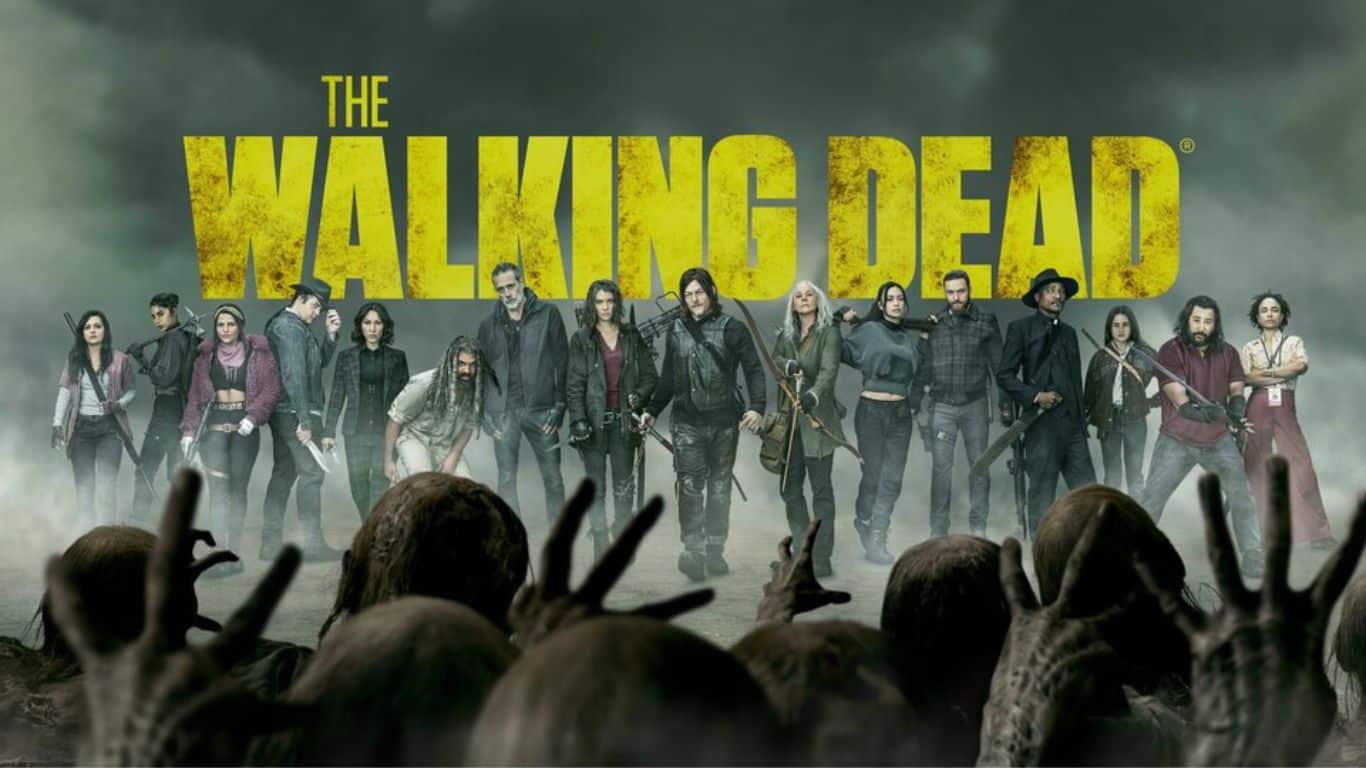
TV series and comic books of ‘The Walking Dead’ share the same eerie backdrop, but they offer distinct narratives and storytelling approaches that have kept fans hooked over the years. As devoted fans know, these two mediums often diverge, introducing unique twists and surprises that add depth to the well-established universe. In this article, we explore the major differences between ‘The Walking Dead’ TV series and comic books, shedding light on the diverging character arcs, altered timelines, and fresh perspectives that have made both iterations of the story equally compelling yet distinct.
Major Differences Between ‘The Walking Dead’ TV Series and Comic Books
Fate of Characters
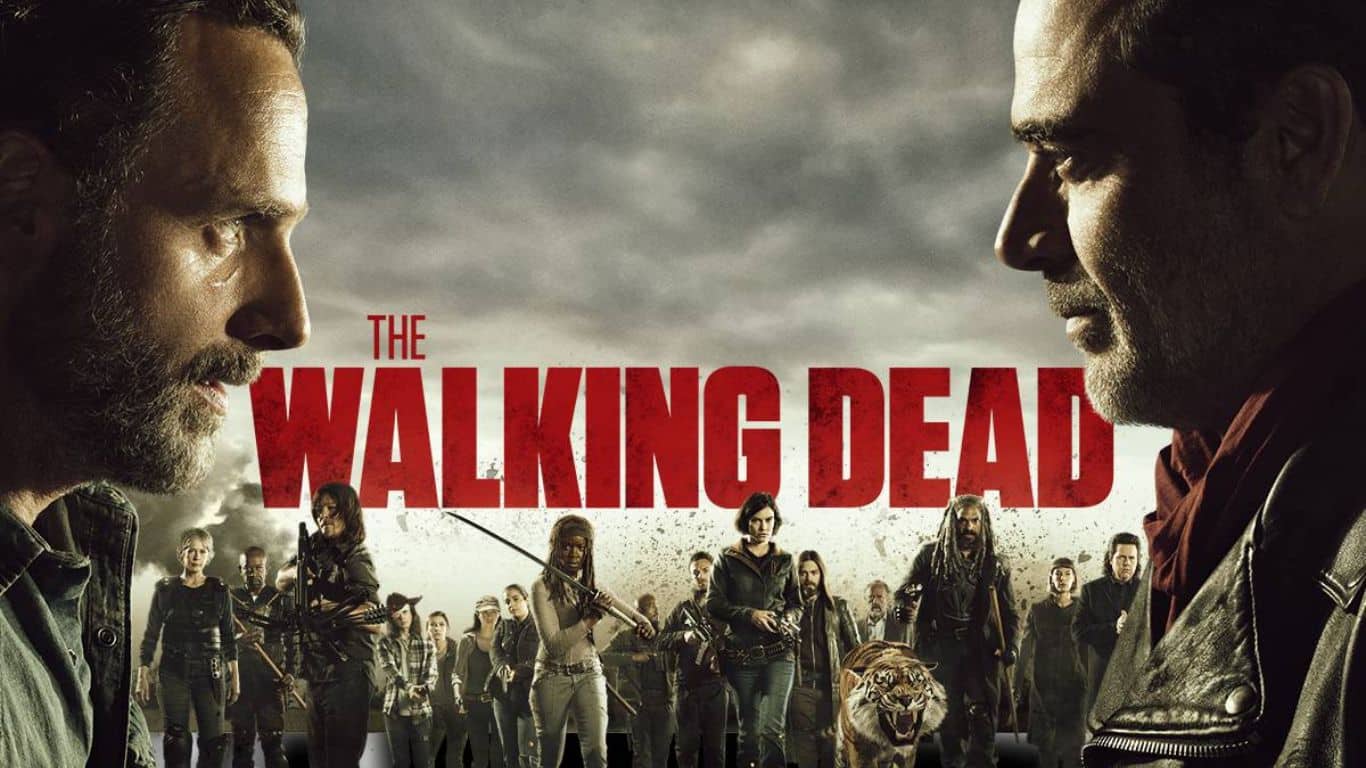
The fate of characters plays a significant role in shaping the narrative and evoking emotional responses from the audience. However, one of the most striking differences between the two mediums lies in the varying fates of certain characters. Characters who have met their demise in one medium may continue to breathe and thrive in the other, providing fans with unexpected surprises and new storylines to explore.
One such example is Andrea, a skilled sharpshooter and integral member of Rick Grimes’ group. In the TV series, Andrea meets her tragic end during the Governor’s assault on the prison in Season 3. However, in the comic Books, Andrea remains a vital character, playing a more extended role in the survival and leadership of the group. Her journey in the comics showcases her resilience and resourcefulness, making her a fan-favorite character with a significantly different trajectory compared to her TV counterpart.
Conversely, the character of Carol, who has become an icon of strength and evolution in the TV series, meets an early demise in the comic Books. In the comics, Carol’s mental instability ultimately leads her to commit suicide, a heartbreaking turn of events that diverges from her transformation into a resilient and independent survivor on the TV show.
New Characters
The divergence in character development between “The Walking Dead” TV series and comic books showcases the distinct opportunities presented by different storytelling mediums. One notable example is the character of Daryl Dixon, who has emerged as a fan-favorite despite not originating from the comic books.
Daryl Dixon, portrayed by Norman Reedus, was created specifically for the TV series and did not exist in the comic books. With his crossbow-wielding skills, rugged demeanor, and complex personality, Daryl quickly became a beloved character among fans. His journey throughout the TV series allowed for significant character development, as he evolved from a rough and guarded loner to a crucial member of the survivor group.
Daryl’s absence from the comic books provides a unique canvas for the TV show’s writers to explore his story and establish his own distinct narrative arc. This freedom allowed the character to grow organically and capture the hearts of viewers in a way that would not have been possible if he were bound by the existing comic book storyline.
Timeline and Pacing
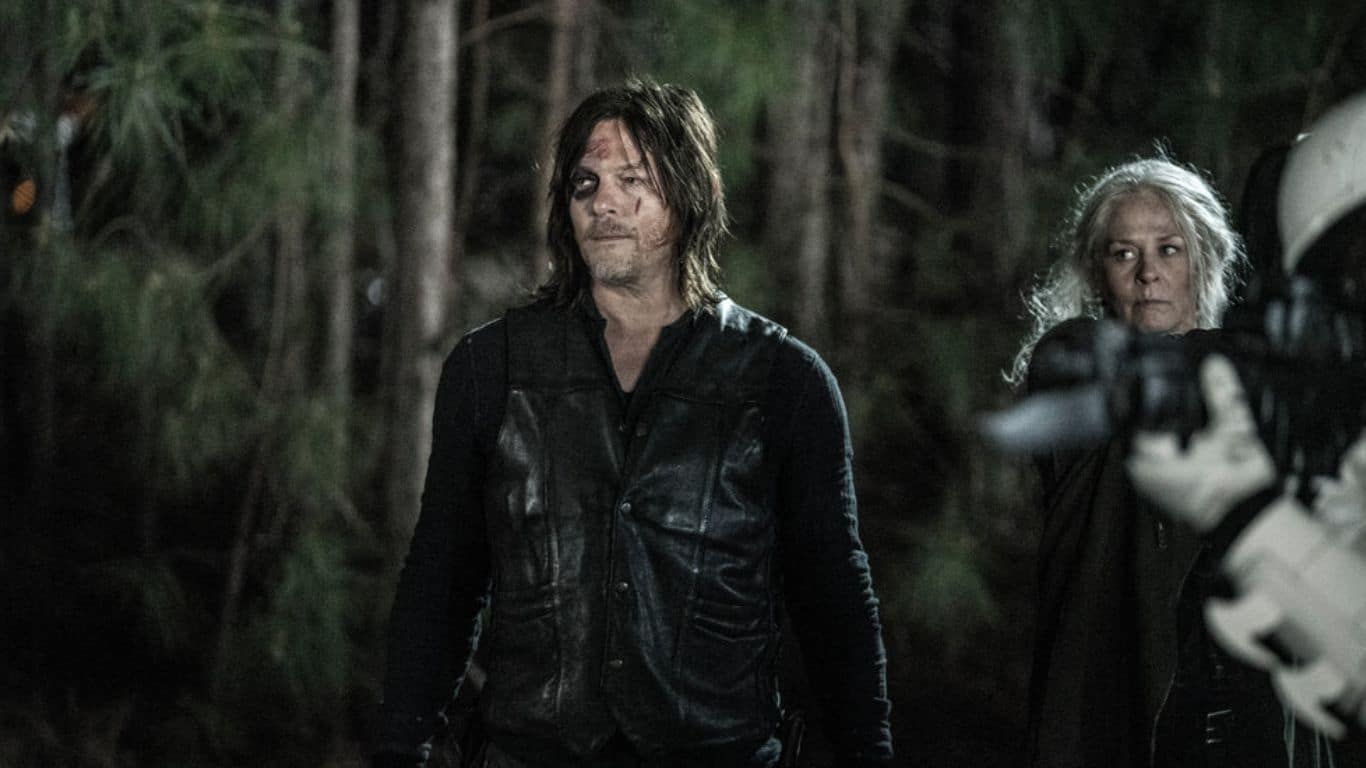
TV series introduces new storylines or combines elements from different points in the comic book timeline. This blending of narrative threads from various comic book arcs provides a sense of surprise and novelty for fans who are already familiar with the source material. By taking inspiration from different parts of the comic’s timeline, the TV adaptation can craft a cohesive and compelling storyline that caters specifically to the television medium.
The decision to deviate from the original comic book timeline and pacing not only allows for creative freedom but also helps to maintain suspense and engage the audience. It ensures that even dedicated fans of the comics cannot predict the exact course of events, keeping the viewing experience fresh and full of surprises.
Storyline Deviations
TV series incorporates additional subplots that expand upon the established comic book universe. These new storylines often serve to further develop existing characters or explore different aspects of the post-apocalyptic world. These creative additions not only provide fresh content for viewers who have read the comics but also contribute to the longevity of the TV series by offering new material that keeps fans engaged and excited.
TV show also alters events from the comic books, creating unexpected twists and surprises. Characters who meet different fates, significant events that occur in a different sequence, or even entirely new story arcs contribute to the unpredictability of the TV adaptation.
Character Relationships
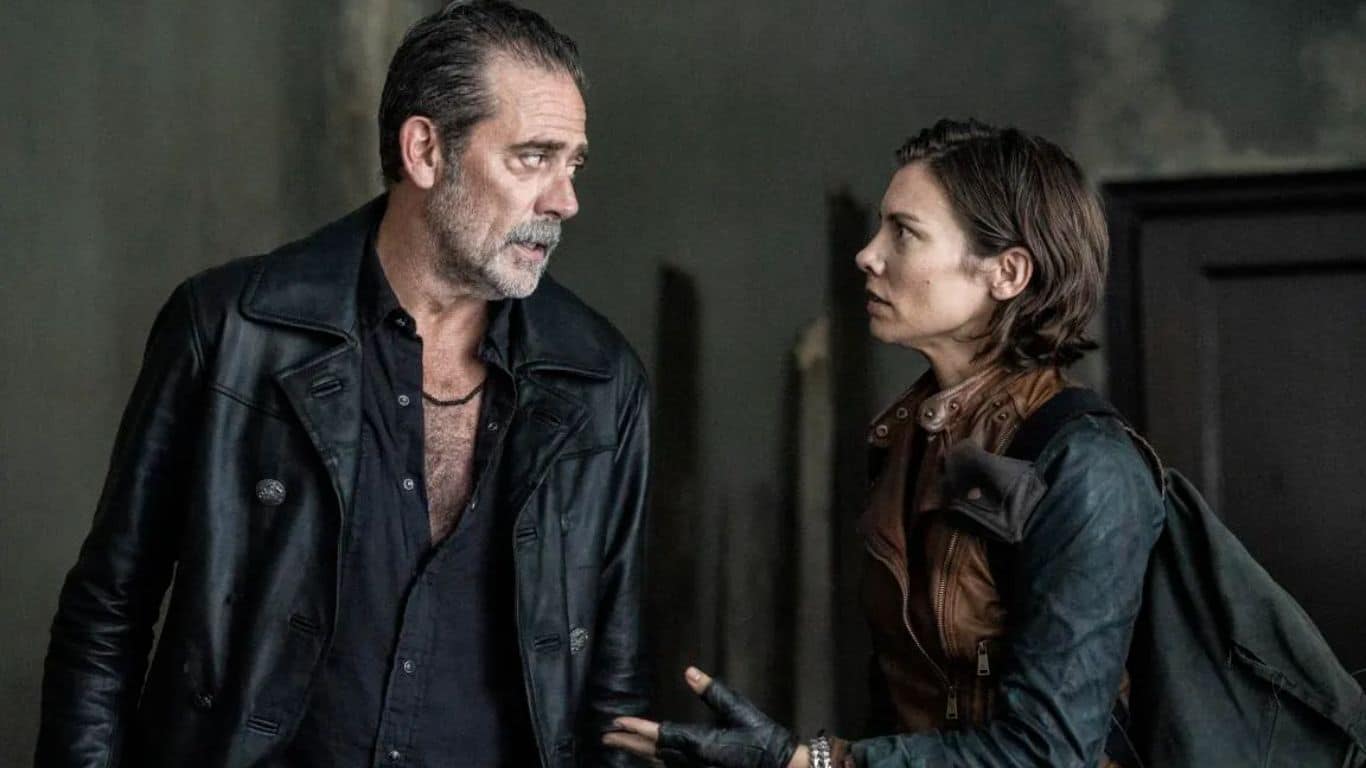
“The Walking Dead” TV series has the opportunity to delve into character relationships in ways that go beyond the scope of the comic books. One prime example of this is the dynamic between Daryl Dixon and Carol Peletier, which has become a central aspect of the TV show’s narrative, even though it doesn’t exist in the comics.
In the TV series, Daryl and Carol develop a deep bond, rooted in their shared experiences and mutual trust. Their relationship evolves from initially being acquaintances to becoming one of the most cherished and enduring connections in the show. Their unique dynamic is characterized by their unwavering loyalty to each other, their ability to understand one another without needing words, and their willingness to sacrifice for the other’s well-being.
This close relationship between Daryl and Carol has resonated strongly with viewers, making it one of the most beloved and talked-about aspects of the show. Fans have been captivated by the emotional depth, the palpable chemistry, and the unwavering support that Daryl and Carol provide to one another throughout their journey.
Tone and Atmosphere
In the comic books, a prevailing theme is a consistent sense of hopelessness and despair. The illustrations, along with the black-and-white art style, create a stark visual representation of the grim world the characters inhabit. The narrative often delves into the darkest aspects of human nature and the challenges of survival in a world overrun by the undead. The comic books maintain a somber and unrelenting tone, emphasizing the harsh realities of the apocalypse.
In contrast, the TV series occasionally injects moments of levity and optimism amid the bleakness. While the overall tone remains intense and suspenseful, the show incorporates lighter moments and glimpses of humanity’s resilience. Characters find solace in their relationships, find ways to enjoy fleeting moments of normalcy, and even display acts of heroism and selflessness. These moments of levity and hope provide relief from the constant tension and add a layer of emotional depth to the series.
Also Read: Unearthing the Mythological Roots of Superhero Powers